News
AI to reach nearly 400 Polish hospitals as health ministry names first target areas
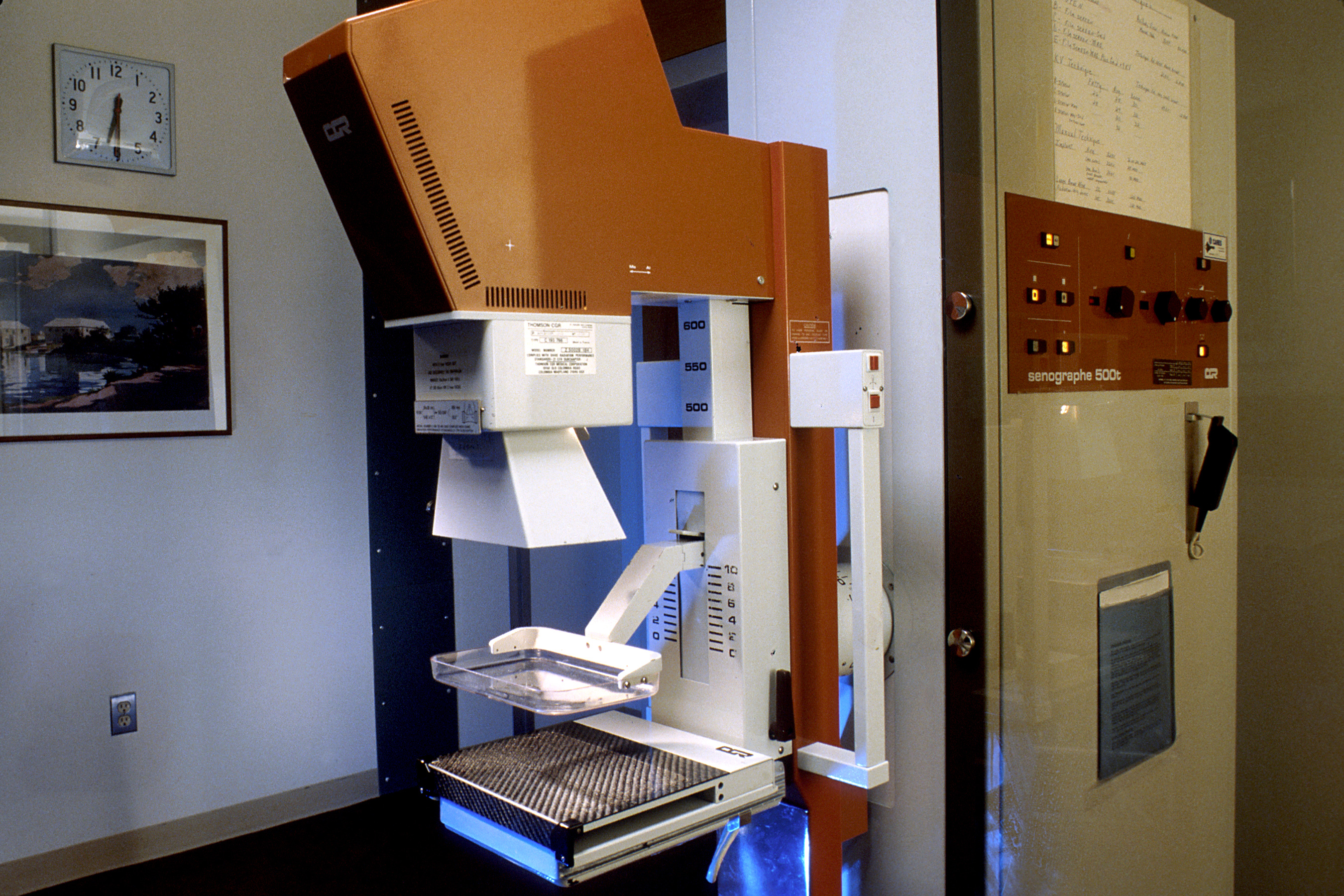
Poland's Centre for e-Health (Centrum e-Zdrowia) and the Ministry of Health are launching a nationwide AI platform for imaging diagnostics worth about 150 million zloty funded by the EU recovery plan (KPO), with the first mammography contract already signed.
Contents
Poland is set to become the first country in Europe to deploy artificial intelligence in imaging diagnostics on a nationwide scale. The Platform of Intelligent Services (Platforma Usług Inteligentnych), built by the Centre for e-Health (Centrum e-Zdrowia) on behalf of the Ministry of Health, is to reach nearly 400 hospitals and cover five diagnostic areas, from chest CT scans to mammography.
Scope of the project
Centrum e-Zdrowia, the agency responsible for digitizing Poland's healthcare system, is carrying out the rollout as part of an investment financed by the National Recovery and Resilience Plan. The whole effort is expected to cost about 150 million zloty, and the platform will eventually be available to almost 400 hospitals across the country, essentially the entire network of facilities performing imaging tests funded by the National Health Fund (NFZ).
The project differs from previous, piecemeal AI deployments at individual facilities in that it is systemic in nature. Instead of each hospital buying its own tool, the ministry is building a single platform that successive facilities connect to, with result interpretations delivered to doctors in a standardized format.
Five diagnostic areas
The system will cover five clinical areas: detecting pathologies in chest computed tomography, changes in the brain linked to ischemic and hemorrhagic stroke, skeletal injuries visible on X-rays, mammography, and pathological changes on chest X-rays. The latter is the most frequently performed exam in Poland, carried out about 20 million times a year, meaning tens of thousands of analyses daily.
In the tender, Centrum e-Zdrowia selected five technology partners. Pixel Technology, together with Transition Technologies, will supply models for chest CT and brain scans, Billenium is responsible for skeletal X-rays, while Carebot and Synektik will split mammography and chest X-rays between them.
Rollout timeline
The first contract signed covers mammography, worth nearly 11 million zloty, concluded on August 21, 2026. The chest X-ray contract is expected to be signed in the coming weeks. According to the project's coordinator at Centrum e-Zdrowia, the platform should be available in production by the end of summer 2026, and about 80 percent of hospitals have already managed to test the integration layer connecting their systems to the central platform.
In total, we want to deploy 5 AI models of this type for different diagnostic areas - Wojciech Steć, coordinator of the Platform of Intelligent Services, Centrum e-Zdrowia
Eventually, a physician and a radiographer (elektroradiolog) will be able to submit an imaging result and receive algorithmic support in interpreting it within a relatively short time. This is meant to help especially with conditions requiring a fast response, such as stroke, where every minute between the scan and the treatment decision counts.
How many hospitals already use AI
The scale of the rollout contrasts with the slow pace of AI adoption at Polish facilities so far. According to the latest edition of a survey on the digitization of healthcare providers, conducted by Centrum e-Zdrowia, 13.2 percent of surveyed hospitals already use AI-based solutions, up from 6.5 percent a year earlier. The national platform is meant to sharply raise that share, since instead of individual, custom-built deployments it offers ready-made infrastructure for the entire network.
For technology vendors, the project means more than another single-hospital pilot. The CEO of Carebot, one of the companies involved in the rollout, stressed the significance of the contract for the entire medtech industry in Poland.
This isn't some pilot. This is infrastructure on a national level - Matěj Misař, CEO of Carebot
What it means for patients and hospitals
For hospitals, especially smaller and regional ones, the benefit is access to AI tools without having to buy licenses, integrate systems or negotiate with vendors on their own, which has so far been a cost barrier. For patients, it potentially means shorter waiting times for exam results, especially where radiologists are in short supply and queues for X-ray or CT readings have been one of the system's bottlenecks. The platform is also part of a broader health digitization package planned by the ministry, including the e-Patient Profile (e-Profil Pacjenta), which aggregates medical data from different systems, and e-Konsylium for remote specialist consultations.
The final diagnostic decision remains with the physician, with the algorithm meant to serve as support and a second pair of eyes, especially given the high volume of routine exams. This distinction will also matter under EU artificial intelligence regulations, which classify diagnostic tools as high-risk systems requiring certification and oversight.