News
Polish Platform AlterCast Pays People for Their Face in AI-Generated Ads
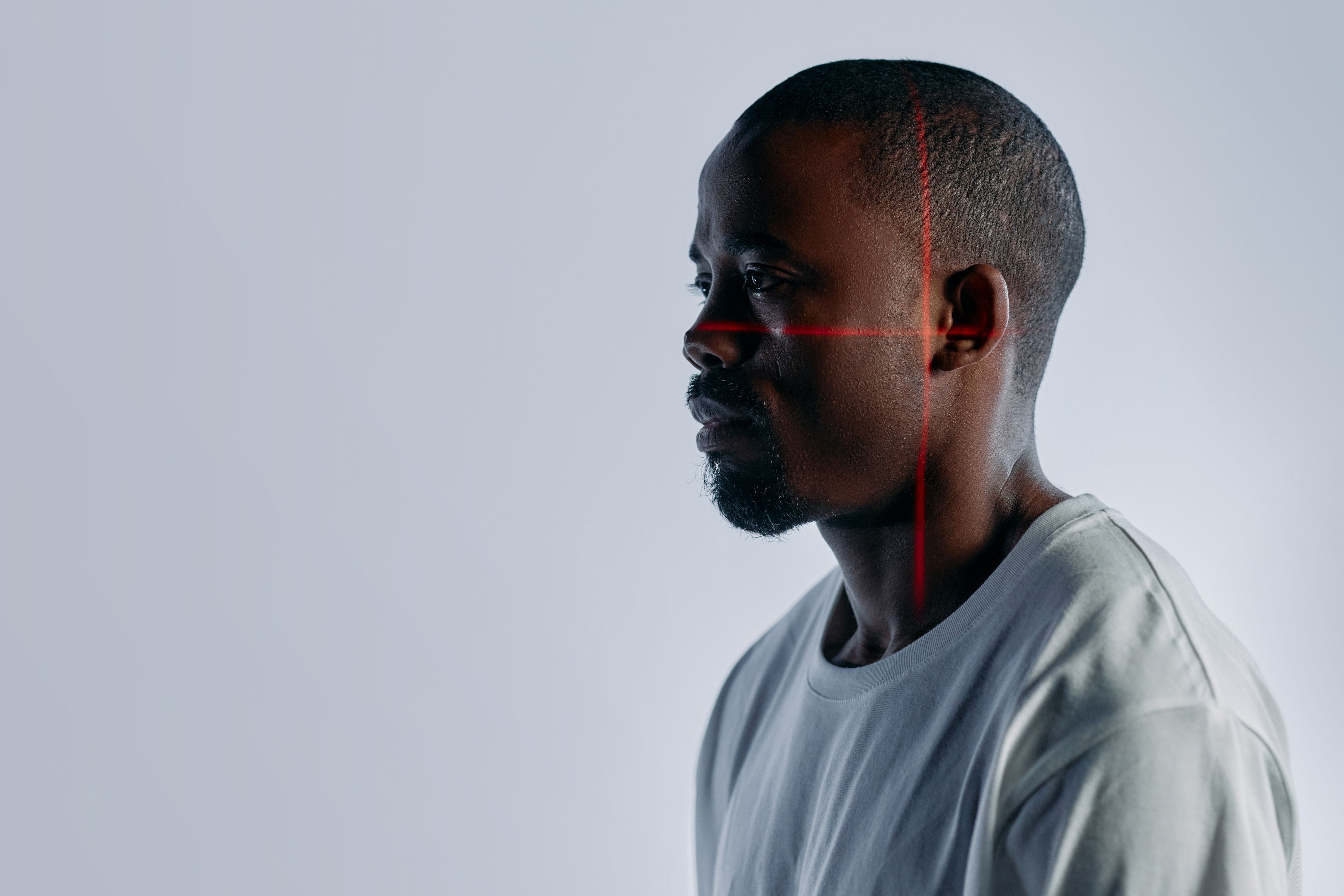
Warsaw startup AlterCast has launched a marketplace where ordinary people can license their face to brands and production studios for AI-generated content, earning royalties for every use instead of a one-time casting fee.
Contents
Instead of showing up to a casting call, you can now just license out your face. Polish startup AlterCast, built by the company Humanverse, has launched a platform that lets private individuals earn money from their likeness being used in ads and video content generated or modified by artificial intelligence.
The concept is simple: a person signs up on the platform, submits photos or a face scan, and AlterCast brokers the licensing of that likeness to brands, advertising agencies and production studios that want to use it in content created with generative AI. In return, the user gets paid for every subsequent commercial use, rather than a single payout as with a traditional ad casting.
Passive Income From Your Own Face
The platform's creators are pitching it as a way to earn money without spending time on a photo shoot. A brand can generate a campaign featuring a licensed user's face in an entirely new setting, outfit or scenario, without organizing a shoot, renting a studio or requiring the model to show up in person.
Your face can work for you even while you sleep, while you rest - Oliwia Szpigiel, CEO and co-founder of AlterCast
That flips the usual logic of the casting market, where fees for appearing in a nationwide ad campaign, according to industry data, range from several hundred to over a dozen thousand zloty per shooting day, but stop the moment the campaign ends. Under AlterCast's model, payment is meant to recur with every new use of the same likeness.
Protection Against Unauthorized Use
The other side of the project is protection against uncontrolled use of a person's face by generative algorithms, a problem that has been growing for months alongside the spread of deepfake and synthetic-character tools. AlterCast says it will use precise licensing agreements that define permitted industries, contexts and markets, and clearly spell out scenarios where the likeness may not appear.
Users retain full control over where and how their face is used, along with the right to withdraw consent and end the arrangement at any time. The platform also states that its systems do not train their own AI models on users' faces, which it says sets it apart from the practices of some image generators that collect training data without explicit consent.
The AI Act Backdrop
The platform's launch coincides with the rollout of further obligations under the EU AI Act. As of August 2, 2026, disclosure is required for AI-generated content, and as of December 2, 2026, technical labeling of such material becomes mandatory. AlterCast is positioning itself as a tool that settles the question of a likeness's legality upfront, rather than forcing brands to check it after the fact.
That fits into a broader trend in Poland's marketing-technology market, where several initiatives have emerged in recent months trying to regulate the legal status of synthetic and digital likenesses used in advertising. The generative ad-production market is growing faster than the regulations meant to keep pace with new AI applications, creating a gap that platforms like AlterCast want to fill commercially.
What It Means for the Ad Industry
For models, actors and extras, AlterCast opens up a potential new income stream, but it also raises questions about how such a license will be valued long-term as demand for traditional castings could decline in favor of cheaper generative production. For brands and agencies, the benefit is meant to be faster and cheaper video production without the need to organize photo shoots, while keeping documented rights to the likeness used.
So far, AlterCast has not disclosed specific rates for creators, pricing for brands, or the names of its first clients using the platform. The model's success will depend on whether it can convince enough people to license out their faces, and whether brands consider a licensed likeness a legally safe enough solution given the growing requirements of the AI Act.