News
More Than Half of Americans Don't Want an AI Data Center Next Door, Ipsos Survey Finds
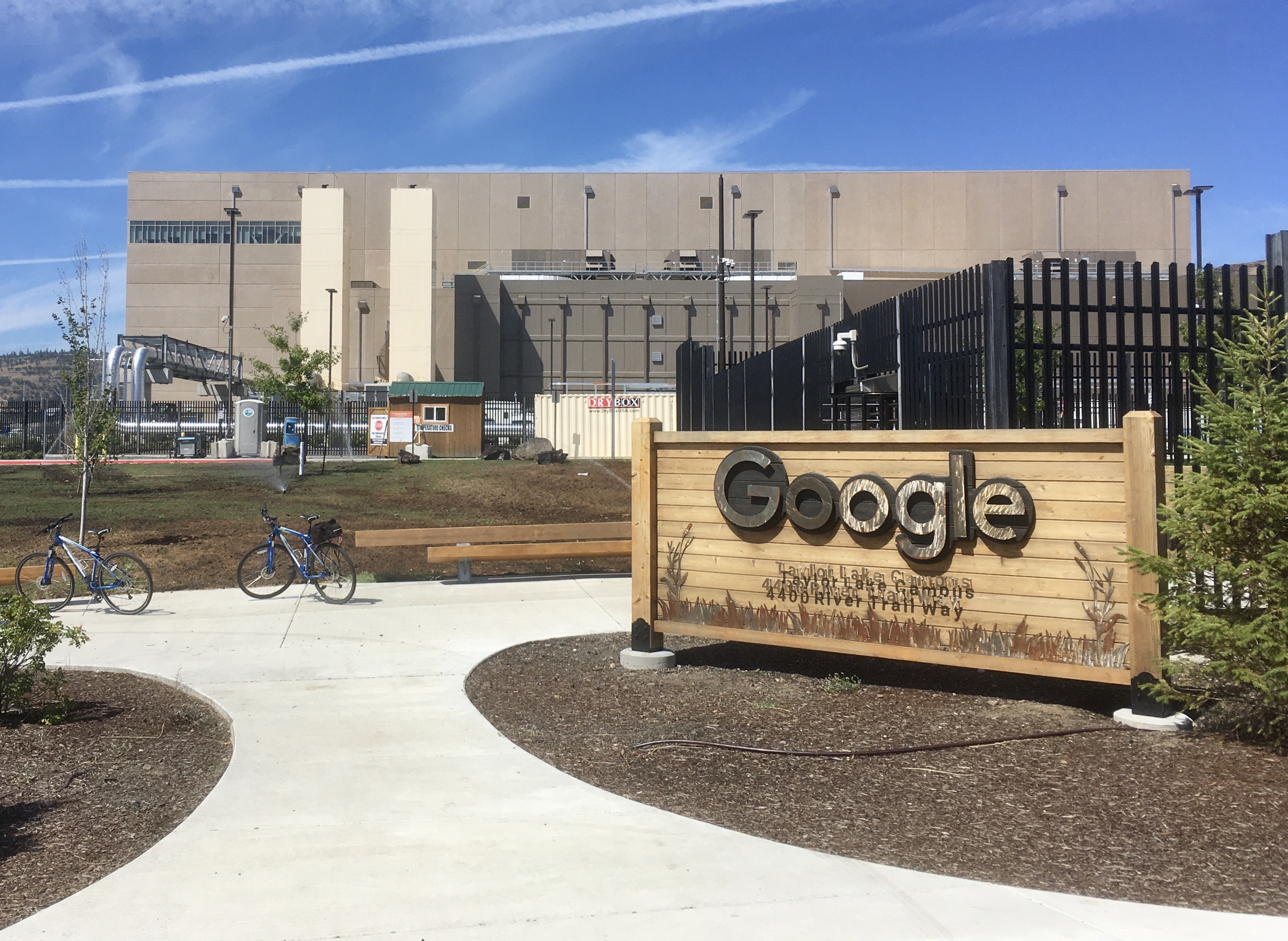
An Ipsos survey for Redfin of 4,000 Americans found that 53 percent strongly oppose building an AI data center in their neighborhood, more than for any other type of development. In mid-July, coordinated protests against such projects took place in 142 towns across 42 states.
Contents
A data center for training artificial intelligence models has become the most unwanted neighbor in America. According to an Ipsos survey commissioned by the real estate site Redfin, 53 percent of Americans would strongly oppose such a project in their neighborhood, more than housing developments, mixed-use office-residential buildings, or the conversion of single-family homes into smaller units.
What the Survey Found
Respondents were asked directly how they would feel if an AI training data center were planned in their neighborhood. The answers skewed decisively against such projects. More than half of those surveyed declared firm or strong opposition, while only a third expressed support.
By comparison, other types of development that typically stir controversy in American suburbs, such as denser housing developments or projects combining office and residential functions, met with markedly less resistance. Even subdividing large single-family homes into smaller units, a topic that has long been contentious in US zoning disputes, ranked lower on the dislike scale than AI data centers.
A Generational Divide
The survey revealed a clear generational split. Among baby boomers, 65 percent opposed such projects, and among Generation X, 60 percent. Millennials and Generation Z respondents were noticeably less skeptical, with only 42 percent expressing opposition. The gap suggests that older residents associate data centers more strongly with a burden on their surroundings than younger people, who use AI tools more often in daily life.
Where the Opposition Comes From
The scale of the opposition is not just a matter of survey answers. In mid-July 2026, coordinated resident protests broke out across the United States in 142 towns spread across 42 states. Recurring complaints include the strain on water resources needed to cool server facilities, rising local electricity prices, and the noise generated by cooling systems that run around the clock.
Loudoun County, Virginia, part of the so-called Data Center Alley near Washington, has become a symbol of the problem, already home to 176 such facilities. That is the highest concentration of data centers in the country, and residents of surrounding communities have for months been warning local officials about the strain on water and power infrastructure.
The Price of the Computing Boom
The tension surrounding AI data centers fits into a broader picture of the costs that the computing infrastructure investment boom is shifting onto local communities. Tech companies keep announcing new multibillion-dollar investments in server campuses, but it is municipalities and residents who feel the side effects first, in the form of higher electricity bills, strained water infrastructure, and a changed landscape.
Data center developers are increasingly running into local opposition already at the planning stage, which lengthens permitting processes and raises the cost of getting projects built. Some US municipalities are already considering tightening rules on where such facilities can be located, or introducing additional fees to offset water and energy use.
What It Means for Poland
The issue isn't just an American one. Poland itself is bidding to host its own AI gigafactory as part of an EU tender, and the government has already pledged 400 million zloty in guarantees for such an investment. The experience of Loudoun County shows the questions that will need to be asked in Poland too: where the water for cooling server facilities will come from, how such a project will affect local electricity prices, and how early local authorities should consult with residents before opposition takes the form of organized protests.
The American survey also points to something bigger than a local land-use dispute. It signals that public acceptance of AI infrastructure is not a given even in the country leading the technology, and companies planning to expand data centers in Europe should expect a similar reaction if they don't first invest in dialogue with local communities.

