News
Apple Talks to Startup That Compressed an AI Model 14x for iPhone
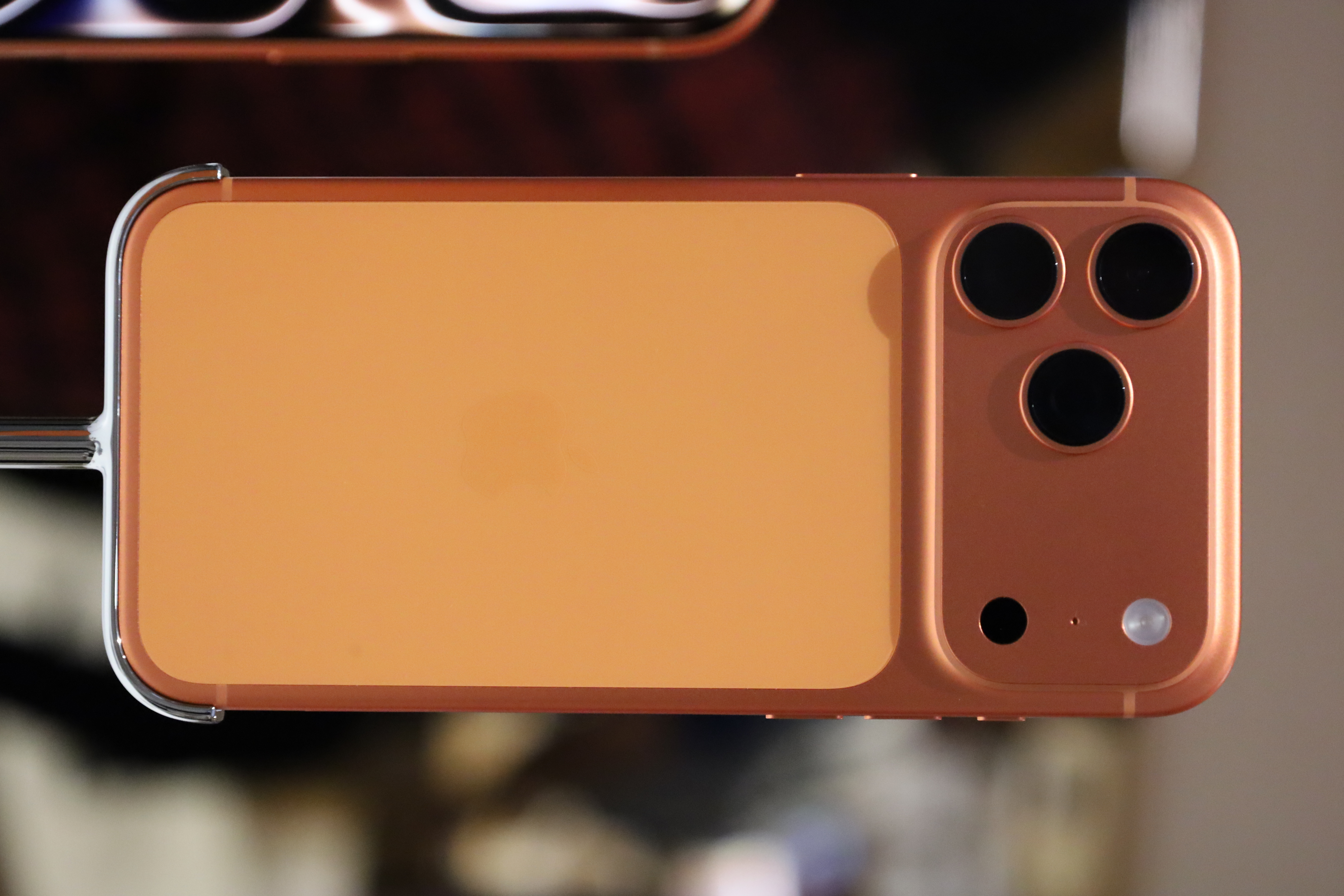
Apple is in talks with California startup PrismML, which can shrink a 54-gigabyte AI model to under 4 gigabytes so it runs entirely on an iPhone. The Silicon Valley company, a Caltech spinoff, says its technology cuts memory use by up to fifteen times.
Contents
Apple is negotiating a license or acquisition deal with PrismML, a small startup whose technology lets large language models run directly on the iPhone without connecting to the cloud. The company, a Caltech spinoff backed by Khosla Ventures, says its compression method shrinks AI models by up to fifteen times while preserving most of their capabilities.
How the compression works
PrismML's technology is built on a one- and ternary-bit weight architecture. Instead of storing each neural network weight as a 16-bit floating-point number, the company reduces it to just three possible values: minus one, zero, or plus one. The mathematical foundations of the method were developed by Babak Hassibi, a Caltech professor and PrismML's co-founder and CEO.
The result is a drastic reduction in model size without retraining it from scratch. PrismML demonstrated this on Alibaba's open Qwen model: the 27-billion-parameter version, which normally weighs about 54 gigabytes, takes up less than 4 gigabytes after compression and fits entirely in the memory of an iPhone 15 Pro or newer.
The cost of compression
That size reduction isn't free. Compressed models lose a few percentage points of accuracy and perform worse on tasks that require precise factual reasoning, math, and coding. For applications like a local voice assistant or text suggestions, the difference may be acceptable; for more demanding analytical tasks, it may not be.
Hassibi described the current stage of talks as very early. He said Apple and other companies are testing PrismML's technology, measuring speed, energy use, and response quality on devices.
They are really evaluating our technology right now - Babak Hassibi, CEO of PrismML
Everything is heading in the right direction - Babak Hassibi, CEO of PrismML
Why Apple is interested
Apple has long favored on-device data processing as part of its privacy strategy, unlike competitors that rely heavily on cloud-based models. The ability to run a large language model locally, without sending queries to external servers, fits that philosophy and could translate into a faster, more private Siri.
It hasn't been disclosed whether the negotiations involve a technology license or a full acquisition of PrismML. No figures or terms for a potential deal have been released either. PrismML has only confirmed it is talking to Apple and other companies, without specifying which ones.
What it means for the market
If PrismML's technology makes it into Apple's products, it could accelerate the trend of moving large AI models from data centers to end-user devices. That matters from an energy standpoint too: smaller models running locally ease the load on servers and networks already straining to keep up with AI-driven demand.
For Polish iPhone users, this could eventually mean a faster, offline-capable version of Apple Intelligence, including a Siri powered by models like Claude, which Apple rolled out in the public beta of iOS 27. For now, though, talks with PrismML remain at an early stage, and it's unclear if or when the technology will make it into specific products.