News
Międzyzdroje Pilots AI That Reads Notarial Deeds for City Hall
The city hall in Międzyzdroje, Poland, is among the first local governments in the country to test ExtrAct, a system that automatically reads notarial deeds and land registry records to help calculate property tax.
Contents
The Międzyzdroje City Hall has begun testing an artificial intelligence system that reads notarial deeds, land registry extracts, and other property-related documents, then automatically extracts the data officials need to calculate property tax. The tool, called ExtrAct, was developed at the IDEAS Research Institute and is expected to be one of the first deployments of its kind in Polish local government administration.
What ExtrAct Does
The system uses large language models to recognize and organize information contained in scanned official documents. Instead of an official manually transcribing data from a notarial deed or land registry extract, ExtrAct reads the document's contents and prepares structured data ready for further verification.
A key caveat concerns the scope of automation. The system does not make administrative decisions on its own, it only prepares data for review by a city hall employee. The final decision, such as the amount of property tax assessed, remains in human hands.
Why Międzyzdroje
Municipal secretary Adam Szczodry confirmed the project's details to local outlet ikamien.pl, describing it as a pilot meant to show whether tools based on large language models can genuinely ease the burden on small municipal offices struggling with large volumes of paper documents and scanned archives.
The seaside municipality, home to around 5,000 residents on a typical day, handles far more real estate activity during the tourist season than its size would suggest, resulting in a high volume of notarial deeds and land registry entries flowing into the tax department.
The Institute Behind the Project
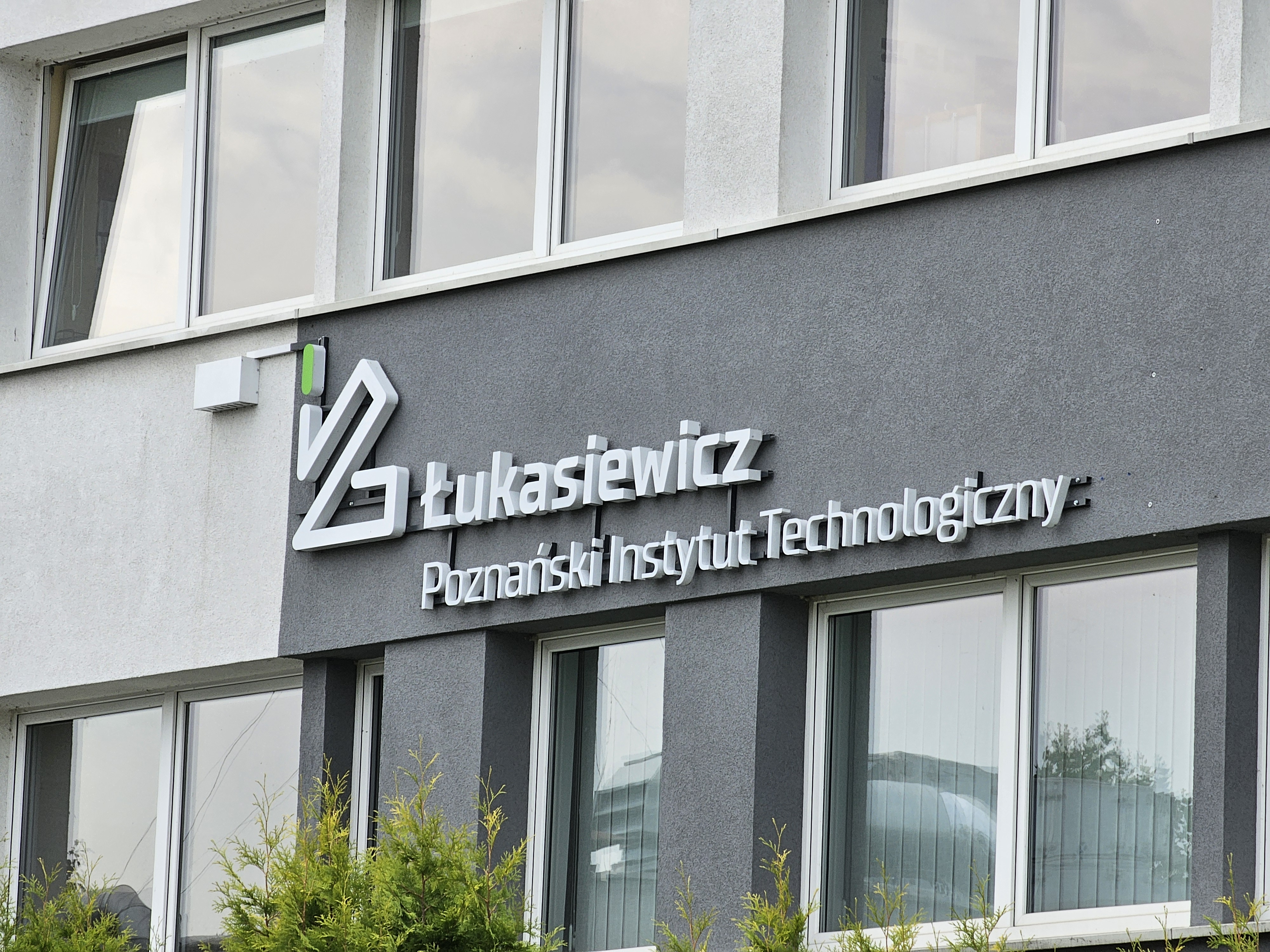
The IDEAS Research Institute was established on the government's initiative as a center for artificial intelligence research, jointly overseen by the Ministry of Digital Affairs and the Ministry of National Defense. 20 million zlotys were allocated for its establishment and organization, and the institute is headed by Professor Piotr Sankowski. ExtrAct is one of the first practical results from the work of the institute's natural language processing team, tested outside the lab, directly inside a government office.
The creators emphasize that the solution is designed to comply with personal data protection regulations, which matters when working with documents containing sensitive data such as names, addresses, and real estate transaction values recorded in notarial deeds.
Political Context
The project's presentation in Międzyzdroje is scheduled for Monday, July 21, 2026, at the local town hall, with Deputy Prime Minister and Minister of Digital Affairs Krzysztof Gawkowski attending. For the government, it's a chance to showcase a concrete, working example of AI deployment in public administration at the municipal level, amid a broader debate over how local governments should use artificial intelligence tools.
AI deployments in Polish government offices remain rare for now and draw mixed reactions, ranging from enthusiasm to questions about oversight and accountability for errors. The fact that data generated by ExtrAct first goes to an employee for verification, rather than straight into a tax decision, is meant to address those concerns.
What's Next
If the Międzyzdroje test proves successful, IDEAS and the Ministry of Digital Affairs may consider making the system available to other, mainly smaller municipalities that lack the resources to build their own analytical tools. For now, there's no word on a timeline for any broader rollout or how many municipalities might join the pilot.