News
Pratt & Whitney Acquires Aiir Innovations to Speed Up AI-Assisted Jet Engine Inspections
The RTX-owned jet engine maker has acquired Amsterdam startup Aiir Innovations and is expanding its use of artificial intelligence for borescope inspections of the V2500, GTF and military F135 engines.
Contents
Pratt & Whitney, part of the RTX group, announced on July 15, 2026 the acquisition of Amsterdam-based Aiir Innovations, developer of AI-assisted borescope footage analysis software. The technology is meant to speed up and standardize jet engine inspections, which until now have relied largely on the experience of individual inspectors.
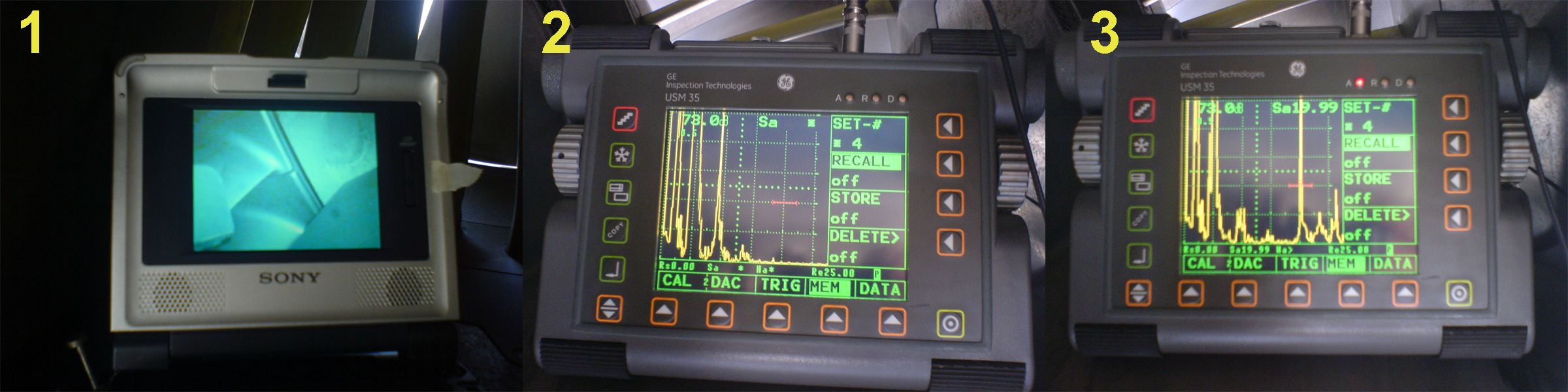
A borescope is a flexible camera inserted through small service ports into an engine's interior, allowing inspectors to assess the condition of turbine blades and other components without dismantling the unit. Until now, analyzing the footage rested almost entirely on the inspector's experience, leading to inconsistent assessments between individuals and service centers.
What Aiir's Software Does
Aiir Innovations' system analyzes borescope video footage in near real time and automatically flags potential anomalies, drawing on a database of previously confirmed defects. The algorithm doesn't replace the inspector but points them to areas needing attention and generates a ready-made report, cutting documentation time from hours to minutes.
The company says the model will keep learning from inspector feedback, which should improve defect classification accuracy over time and bring the machine's assessments closer to the level of experienced specialists.
Three Engine Families
The rollout is furthest along on the V2500, which powers the Airbus A320ceo family among others, where the technology has already reached commercial customers and MRO (maintenance, repair, overhaul) providers. Pilots have also wrapped up on the GTF engines that power the newer Airbus A320neo, A220 and Embraer E2 aircraft, as well as on the military F135, which powers Lockheed Martin's F-35 fighter jet.
Rolling the program out across both civilian and military engines simultaneously shows that Pratt & Whitney treats AI-assisted inspections as part of its standard service offering rather than an experimental add-on for select customers.
What It Means for Airlines
For airlines and military operators, the key metric is time on wing, the period an engine can remain installed on an aircraft between major overhauls. Faster, more consistent borescope diagnostics allow defects to be caught earlier, before they turn into serious failures requiring an unplanned engine removal.
Expanding AI-assisted inspection integration strengthens our ability to catch issues earlier, improves turnaround times, increases time on wing and reduces operational disruption - Rob Griffiths, Executive Vice President of Commercial Engine Operations, Pratt & Whitney
Shorter, more predictable inspections translate directly into aircraft availability, which carries real financial weight given the global shortage of engine service capacity airlines have faced for several years.
Part of a Broader Trend
The Aiir Innovations acquisition fits into a broader shift among engine makers and MRO firms toward automating visual inspections with machine learning, a trend that also includes competitors such as GE Aerospace and Rolls-Royce, which have spent several years developing their own tools for analyzing sensor and service-camera data.
The acquisition gives Pratt & Whitney full control over the technology's development instead of relying on licensing software from an outside vendor, making it easier to integrate with its own defect databases built up over decades of engine operation.
The company did not disclose the deal's financial terms or provide specific figures on the percentage reduction in inspection time, limiting itself to general statements about a significant speedup of the process.