News
Apptronik Opens Robot Park, a Data Factory for Training Apollo Humanoids with Google DeepMind
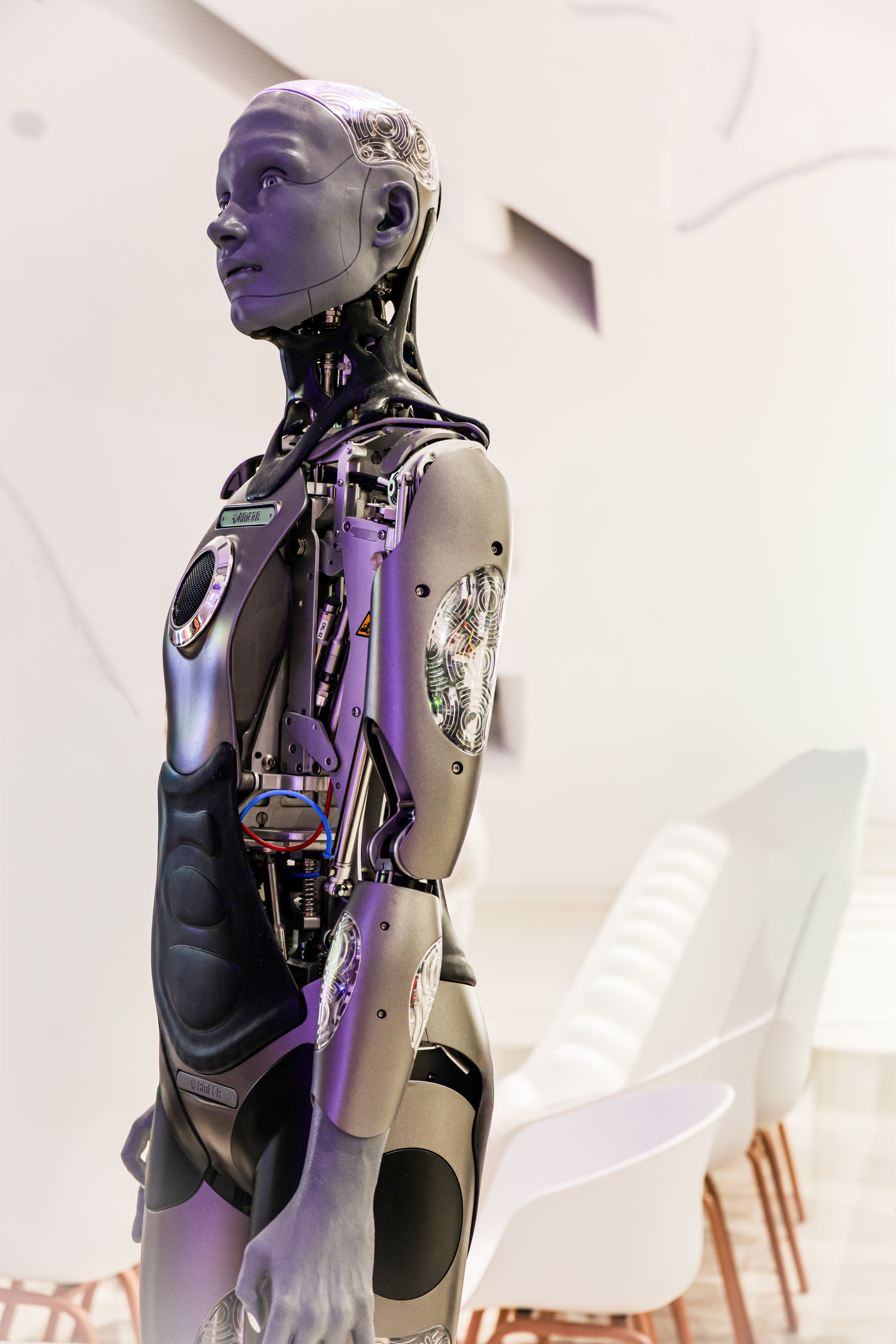
Apptronik has opened Robot Park, a 90,000-square-foot data factory in Austin for training its Apollo humanoid robots. Data gathered there feeds into Google DeepMind's Gemini Robotics models among others.
Apptronik, the Texas-based startup building humanoid robots, has opened a new facility in Austin spanning nearly 90,000 square feet, called Robot Park. The site is designed as a data factory, where Apollo 2 robots perform real-world tasks, generating data used to train successive generations of AI models for robotics, including Google DeepMind's Gemini Robotics.
Robot Park is meant to complement Apptronik's existing factory, where the robots themselves are built. Rather than testing the machines under lab conditions, the company opted for a facility that mimics real work environments, where Apollo 2 robots carry out repetitive logistics and warehouse tasks, generating the data needed to train future versions of the software.
Google DeepMind's role
A key part of Apptronik's strategy is its partnership with Google DeepMind, which for nearly two years has served as both an investor and a research partner for the startup. Data collected by the Apollo robots feeds into the training of Gemini Robotics, foundation AI models that Google DeepMind is developing to control robots from various manufacturers.
Google has been upfront with us about its ambitions to build the Android of robotics - Jeff Cardenas, CEO of Apptronik
The comparison to Android for robotics is no accident. Google DeepMind wants Gemini Robotics to become a universal software layer that different humanoid robot makers build their machines on, much as Android became the shared foundation for smartphones across many brands.
From prototype to product
Apollo 2, introduced quietly in February 2025, currently serves as a prototype for collecting data and running scaled pilots with customers. It comes in two variants, a bipedal version and one on a wheeled base, with the wheeled version considered more efficient and easier to deploy under current regulatory requirements for industrial applications.
Cardenas said the next generation, Apollo 3, will be the company's first true product, featuring improved grippers, a new sensor suite and safety systems, alongside lower production costs. It is expected to launch next year in both bipedal and wheeled versions.
A network of data factories
Austin isn't the only site of this kind. Apptronik has set up similar data-collection centers with its industrial partners as well, including Mercedes-Benz and logistics giant GXO, as well as at Google DeepMind itself. The company says more locations in the Robot Park network are coming soon.
For the Polish market, where humanoid robots remain a rarity outside trade-show demos, this business model shows where the global race in robotics is heading. The winners won't necessarily be those with the flashiest demonstrations, but those able to systematically collect data at scale from real work environments, since that is what drives the quality of the models controlling these machines.
The growing scale of such investments, from facilities in Texas to partnerships with global logistics and automotive companies, also suggests the coming years will determine whether humanoid robots truly make it into warehouses and factories at mass scale, or remain a costly experiment for a handful of major players.