News
Autopay breach: banks block some cards, KNF tells customers to wait for their own bank's decision
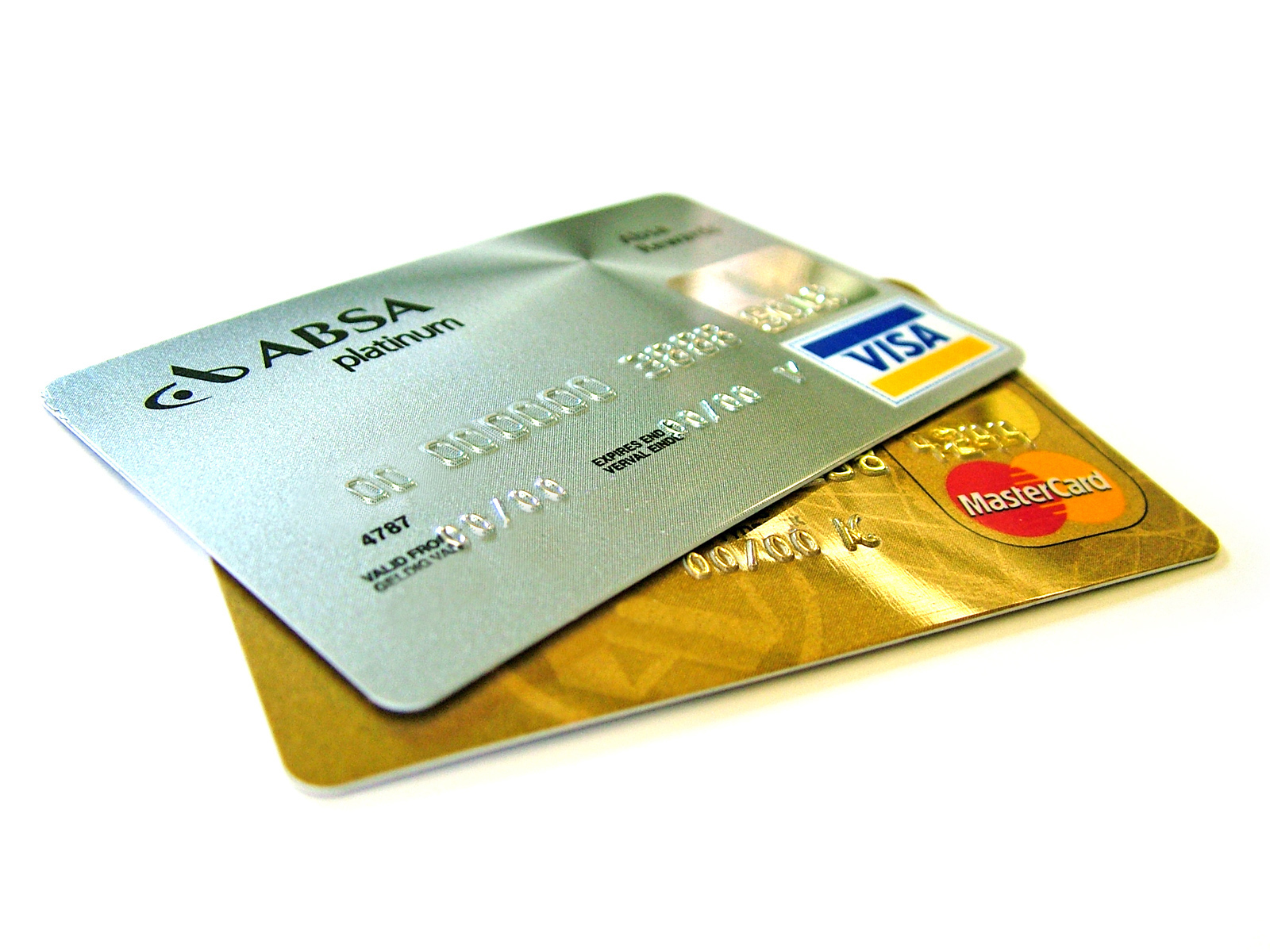
After the cyberattack on Autopay, some banks have preemptively blocked selected Visa and Mastercard cards and are deciding case by case whether to replace them. A spokesperson for the KNF (Poland's financial supervision authority) says customers do not need to request a new card themselves. Autopay says the attack showed signs of AI-assisted automation.
A few days after the cyberattack on Autopay came to light, more is known about the consequences for cardholders. Information on the card numbers affected by the incident has gone to the issuing banks, which are deciding individually whether to block a card, replace it or restrict its online payments. According to RMF24, cited by CyberDefence24, some banks have preemptively blocked selected Visa and Mastercard cards.
What the banks will decide
According to PAP, cited by Bankier.pl, the data of cards affected by the leak was passed to their issuers, meaning banks and other payment service providers. KNF (the Polish Financial Supervision Authority) spokesperson Jacek Barszczewski stressed that the incident itself does not mean the data of all cards was compromised or that unauthorized transactions took place. After an individual risk assessment, a bank may block a card, issue a new one or temporarily restrict some transactions, for example online ones.
CyberDefence24 notes that customers do not need to apply for a new card themselves, because the bank will contact them if a replacement is needed. The articles give no list of banks and no number of blocked cards. The Polish Bank Association (Związek Banków Polskich) said on Thursday, November 19, that the incident did not affect banking infrastructure.
Stay calm and follow your bank's instructions, delivered through its standard communication channels: the bank's website and its smartphone banking app. - Jacek Barszczewski, KNF spokesperson
The AI angle
According to CyberDefence24, Autopay said the attack did not rely on classic phishing or malware, but showed signs of advanced automation supported by AI. That is the company's claim, and the exact method of the breach is still being analyzed. The company said it has blocked the detected access channels, secured its servers and strengthened monitoring.
Autopay says the incident did not involve online banking login data. The event was reported under the DORA mechanism, and the KNF's CSIRT (its cybersecurity incident response team) is conducting an analysis and remains in contact with the company.
Warning about scams
The KNF warns that criminals may exploit the incident for fraud, for example through messages with links to "data verification" or card replacement. The advice is to trust only the bank's official channels, such as its app, website and helpline, not to click suspicious links and not to call numbers from such messages. A suspicious call should be ended, and customers should contact the bank themselves.
The KNF spokesperson recommends regularly checking transaction history and promptly reporting unrecognized operations to the bank. CyberDefence24 also advises placing a restriction on the PESEL (national ID) number.
Government response
On November 17, the Ministry of Digital Affairs published a recommendation from the government plenipotentiary for cybersecurity for the banking sector, prepared with the KNF and its CSIRT. Digital Affairs Minister Krzysztof Gawkowski said the actions targeting Autopay were not an isolated case, and warned that the number of cyberattacks on Poland could grow as much as tenfold in 2027.