News
Barret Zoph Returns to Google DeepMind as VP of Research
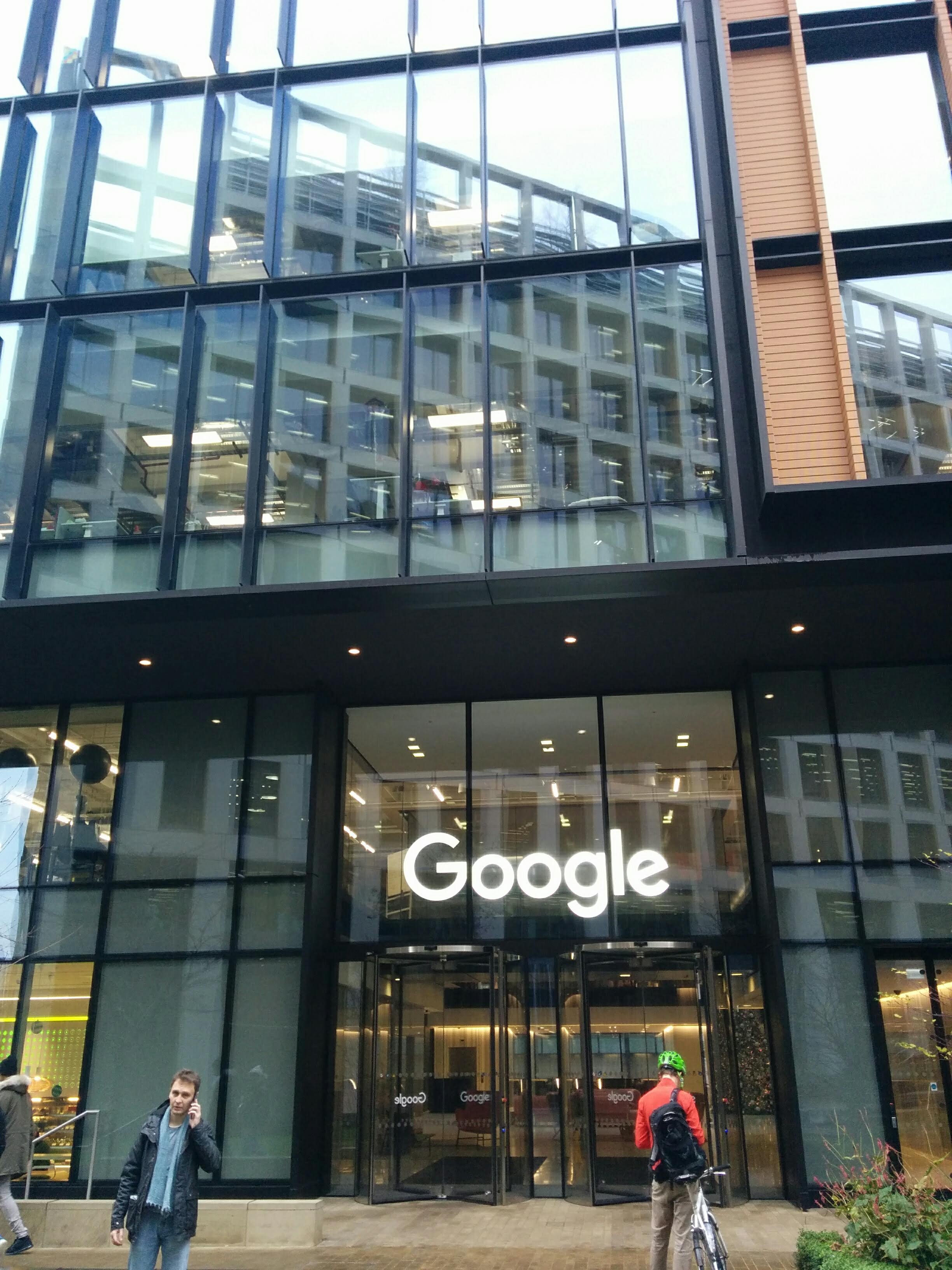
The Thinking Machines Lab co-founder and former OpenAI post-training star is joining Google DeepMind, where he will work on reinforcement learning and post-training for Gemini.
Contents
Barret Zoph, an AI researcher who in the space of four years passed through Google, OpenAI, his own startup, and OpenAI again, announced on August 27, 2026 that he is joining Google DeepMind as vice president of research. He will oversee reinforcement learning and post-training, the exact areas where he built his reputation while working on ChatGPT.
Back to His Roots
Zoph wrote on X that his AI career began at Google, in the Google Brain Residency program, where he worked on automated machine learning and neural architecture search. After six years at Google, he moved to OpenAI in 2022, where he rose to vice president of research overseeing post-training, supervising teams working on model fine-tuning, tools, and evaluations, work that translated directly into ChatGPT's quality.
Excited to announce I am joining Google DeepMind! I started my AI career in the Google Brain Residency class and am excited to rejoin. I am going to be working on RL and Post-Training - Barret Zoph
A Turbulent Stint at Thinking Machines Lab
In September 2024, Zoph left OpenAI together with former CTO Mira Murati to co-found Thinking Machines Lab, a startup building its own foundation models. He took the role of chief technology officer there, but the partnership ended in January 2026 amid murky circumstances.
At least three different versions of events circulated around his departure: reports of a firing over unethical conduct, allegations of leaking confidential information to a competitor, and a relationship with a more junior colleague. Zoph himself offered a different account, claiming Thinking Machines Lab only ended its relationship with him after the company learned of his plans to leave.
A Brief Return and Another Move
After leaving Thinking Machines, Zoph returned to OpenAI, taking charge of the enterprise business. The role proved transitional, he spent just five months in it before leaving the company again in June 2026. His next stop, after a two-month gap, was Google DeepMind.
What It Means for Google DeepMind
A Google spokeswoman said the company expects Zoph to bring his reinforcement learning and post-training expertise to the teams working on Gemini. These are areas where DeepMind has in recent months faced departures of key researchers and delays in rolling out successive Gemini versions, now led by Koray Kavukcuoglu.
Zoph's hiring fits into the broader picture of a talent war among leading AI labs, where employees move between Google, OpenAI, and rival startups on a timescale of months rather than years. For Google, it signals a willingness to pay to reclaim expertise that had, in the meantime, ended up at rivals.
For readers following the AI job market, this is further evidence of how fluid careers have become for the most sought-after machine learning researchers, and proof that even high-profile departures to launch one's own startup don't have to be permanent. Post-training and reinforcement learning, Zoph's specialty, are today among the most coveted skills for building models that compete with GPT and Claude.