News
Microsoft President Brad Smith: Your Washing Machine Faces More Safety Rules Than AI
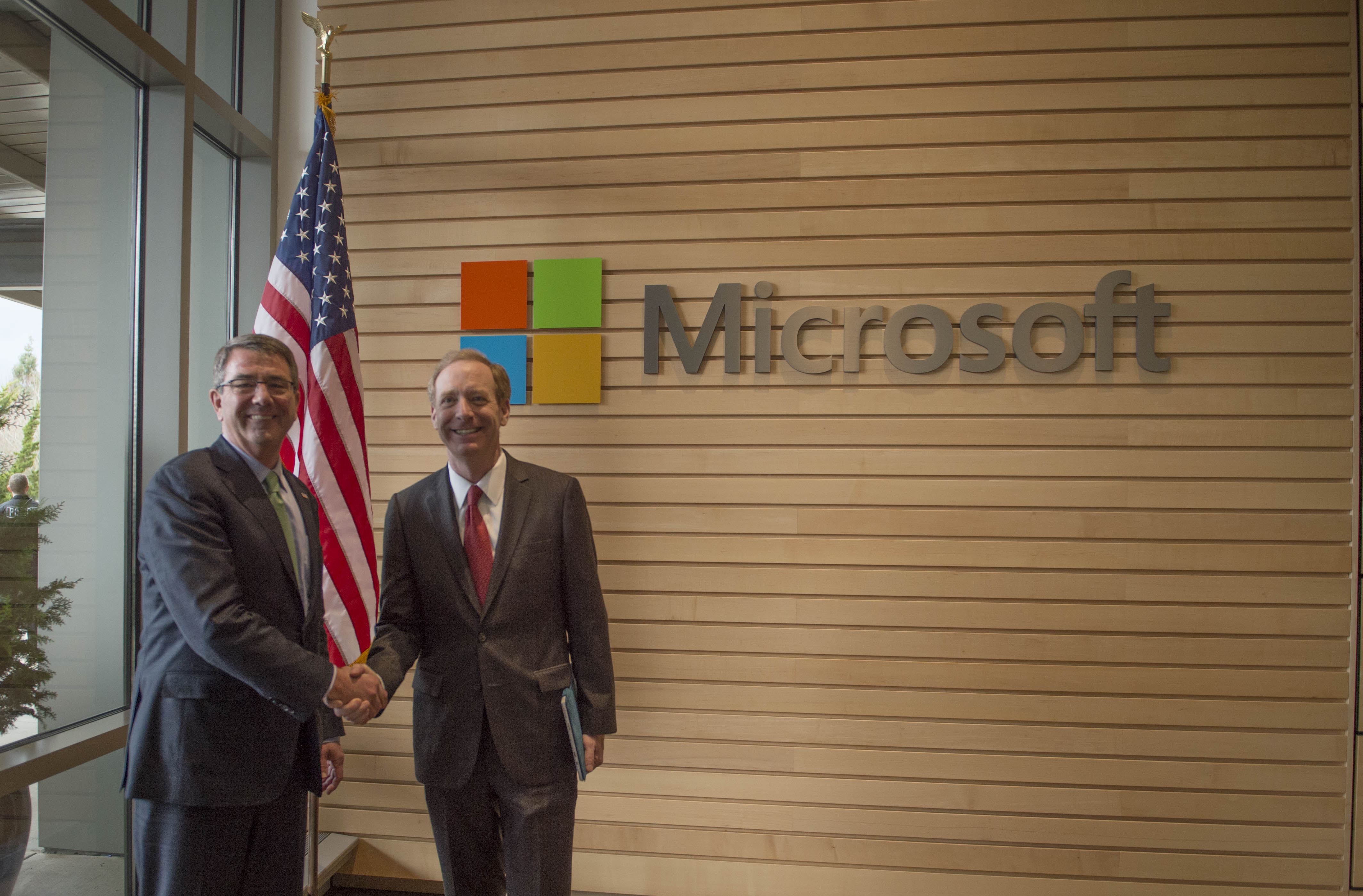
In a BBC interview, Microsoft president Brad Smith called for urgent global AI safety rules, including mandatory incident reports and an "emergency brake". He argues the UK should lead such regulation.
Contents
Brad Smith, president of Microsoft, said in an interview with the BBC that artificial intelligence needs urgent regulation at the global level. In his view, the AI sector is currently covered by fewer safety rules than everyday household goods.
Washing machine versus AI
Smith compared AI regulation to consumer products. As RTÉ reports, citing Reuters, he said every carton of milk in a grocery store is subject to safety rules and inspection. He added that we know how to do this for other products and should apply that knowledge to AI.
Right now, your washing machine is subject to more safety rules than AI. - Brad Smith, Microsoft president
According to TechCrunch, Smith described AI as both a "weapon and a tool" that is putting the world's cybersecurity at risk. He also said the "moment has arrived" for global safety rules.
What Microsoft proposes
According to Reuters, Smith wants a "victim" to be informed when their system is breached by a rogue AI agent. TechCrunch describes this as a legal obligation to alert an organization whose systems were breached. Smith also backs an "emergency brake", a mechanism to pause or slow down AI when humans lose control of it, as well as a legal requirement to write incident reports.
Reuters says Smith also wants independent evaluators to be able to vet new developments. TechCrunch notes that, in his view, the rules should be mandatory rather than voluntary, because under self-regulation only the "good companies" comply, and the irresponsible ones are the problem.
Why the UK
Smith believes the UK is best placed to lead work on regulation. He pointed to the AI Security Institute, which, according to Reuters, receives pre-deployment access to major models under voluntary agreements with their developers.
In Washington, D.C., people don’t look at the U.K. and they don’t look at London the way they look at Brussels. - Brad Smith, Microsoft president
Smith called this difference in perception a "strength". Reuters adds that Brussels regulates AI through a risk-based approach in the AI Act. AI Minister Kanishka Narayan told the agency that the UK would consider regulating advanced models if the current approach proves insufficient.
The political backdrop
TechCrunch recalls that President Trump has warned against "globalist" organizations, which he claims interfere with American companies. According to the outlet, last month he reportedly asked Anthropic and OpenAI to withhold new models from British testers, but AISI confirmed on Monday that it can still access the latest models.
According to TechCrunch, representatives of OpenAI, Anthropic, Nvidia, AMD, SpaceX, Meta and Google signed a "morally binding" document at the White House on working with "independent auditors". Smith called it a "good step", but not enough. Reuters points out that some companies calling for AI to slow down face questions about ulterior motives, such as writing rules that preserve their own lead.
What it means for Europe
Smith's remarks are one company's proposals, not a draft law. For Polish companies and institutions, the notable point is that Smith names the UK, not the European Union, as the leader on regulation, and says Washington sees London differently than Brussels, which, according to Reuters, regulates AI based on risk levels in the AI Act. For now, it is unclear whether any of the proposals will be turned into concrete law.