News
China's New Marketplace Rents Out Human Faces for AI Dramas
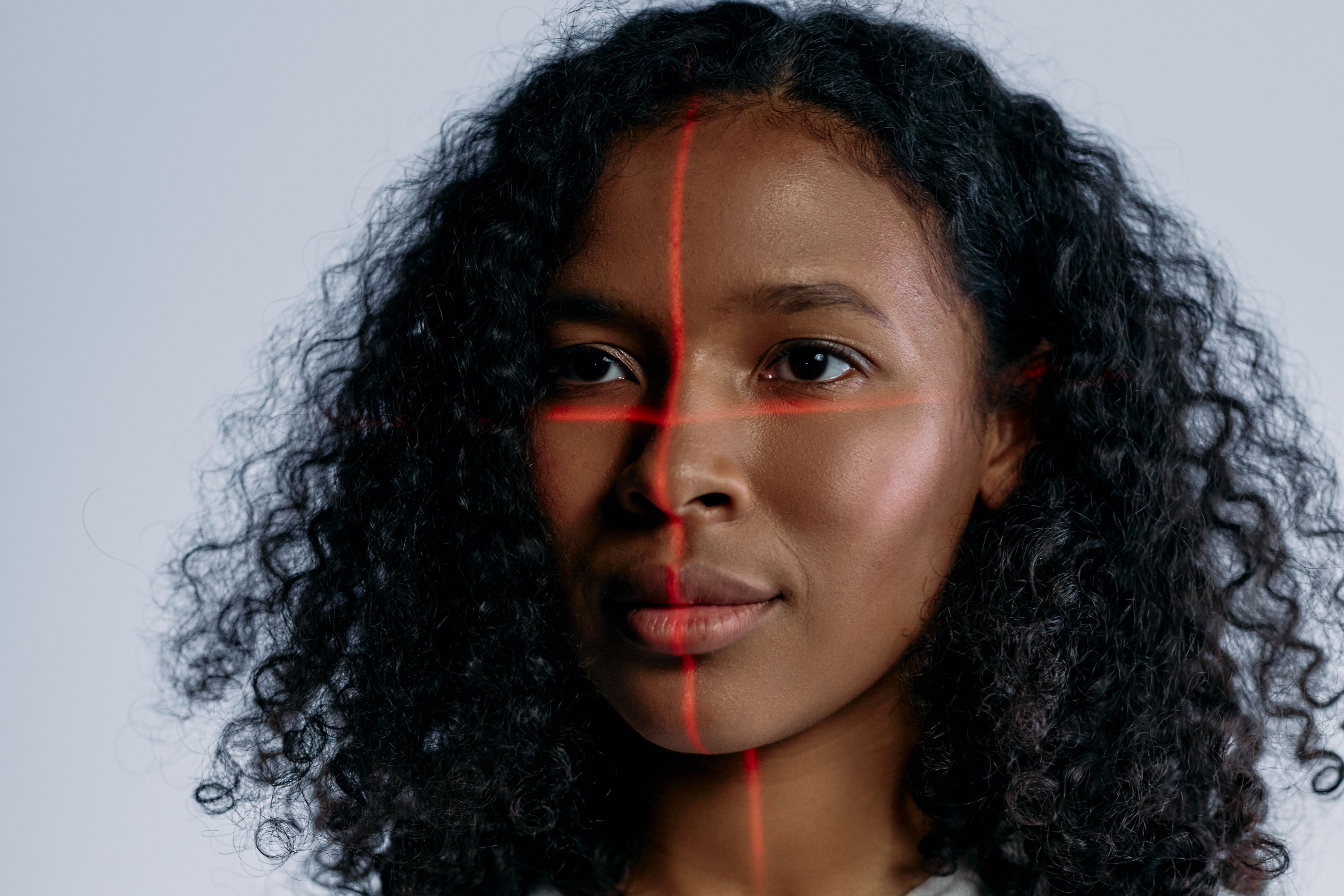
Platforms ActID and New Claw pay ordinary people between $15 and $700 to license their likeness for AI-generated microdramas. In the first quarter of 2026, AI was used in more than 95 percent of the 128,000 microdramas produced in China.
Contents
China has launched a formal marketplace for trading human faces for use in AI-generated dramas. Platforms such as ActID in Shenzhen and New Claw in Chengdu pay ordinary residents between $15 and $700 for a license to use their likeness in AI productions, while microdrama producers browse catalogs of faces the way they would shop online, filtering by age, gender and looks.
How the face catalog works
The mechanism is simple. A person submits photos or poses in a designated studio, and their likeness is added to a catalog browsed by microdrama producers, makers of the ultra-short, vertical series designed for viewing on a phone. Catalog categories include descriptions like girl-next-door, model type, or people with striking, unconventional looks, and producers can further filter faces by genre, such as comedy, romance or horror.
The person who licenses their face doesn't really perform any acting role. Their likeness is simply raw material from which an AI model generates the on-screen character. So far on ActID, two AI productions have used licenses for around ten faces, and the platform has only been running since March 2026, yet it has already gathered close to 800 registered users.
Scale of industry change
Microdramas are one of the fastest-growing segments of Chinese digital entertainment, and AI has upended their production within little more than a year. In the first quarter of 2026, China released 128,000 such productions, of which more than 95 percent were made with AI involved at some stage, from script to background to characters.
For studios, this means a drastic drop in costs. Instead of hiring actors, makeup artists and film sets, a face license and a generative model are enough to produce the rest. New Claw's operations lead, Long Lyu, admits the industry already felt the shift by late last year.
Since late last year, it was really obvious how the rise of AI dramas really has an impact on our industry - Long Lyu, Operations Lead, New Claw
Control over one's own image
The platforms present their service as a way to bring order to the market and curb illegal impersonation of other people's looks, arguing that a formal license offers more control than a situation where someone uses another person's face without asking. In practice, as lawyers point out, the face's owner loses long-term control over it the moment it enters a platform's database, since there is no certainty about exactly which scenes, genres or future model training runs it will be used for.
If I license my face, I have no idea how AI might eventually change it or whether it could portray me in degrading ways - Xu Fang, a 21-year-old model from Shanghai
Beijing-based lawyer Yile Deng warns that the most serious problem remains the unclear scope of the consent given, since licensing agreements rarely specify in what contexts and for how long a face may be used. Guangzhou's internet court has handled around 700 cases of AI face theft over the past three years, showing that illegal use of people's likeness was already widespread in China before formal licensing platforms even existed.
Video platforms respond
Major video platforms are also reacting to the scale of the phenomenon. ByteDance, owner of Douyin and the microdrama platform Hongguo, says it has removed 85,000 unauthorized videos using other people's likeness without consent since the start of 2026. One such unauthorized production racked up 40 million views before it was taken down, showing just how strong viewer appetite is for this kind of content regardless of whether it was made legally.
ActID's chief marketing officer, Camille Yan, explains that producers look for faces that can easily be matched to a specific role, but they don't necessarily need to belong to professional actors, since in AI-generated productions acting ability stops mattering.
AI-generated dramas don't require acting ability anyway; the faces serve as source materials - Camille Yan, Chief Marketing Officer, ActID
What's next for the entertainment industry
For people who agree to license their face, the motivation is often purely financial. New Claw's Long Lyu describes it as a way for people to earn money if they want to continue a career off the film set, given that AI is changing the rules across the entire industry anyway. AI production director Wendi Ma admits outright that cost control is what matters most in this business model. The phenomenon fits into a broader trend of generative AI replacing traditional acting and modeling work, visible outside China too, though the scale there is exceptional, since microdramas have become their own multibillion-dollar market segment.

