News
Copernicus Science Centre Launches AI Course for Teachers Under ZBADAI Program
The Copernicus Science Centre and Poland's Ministry of National Education launched a free five-week AI course for teachers at 200 selected schools nationwide. Education Minister Barbara Nowacka opened the ZBADAI program on September 3.
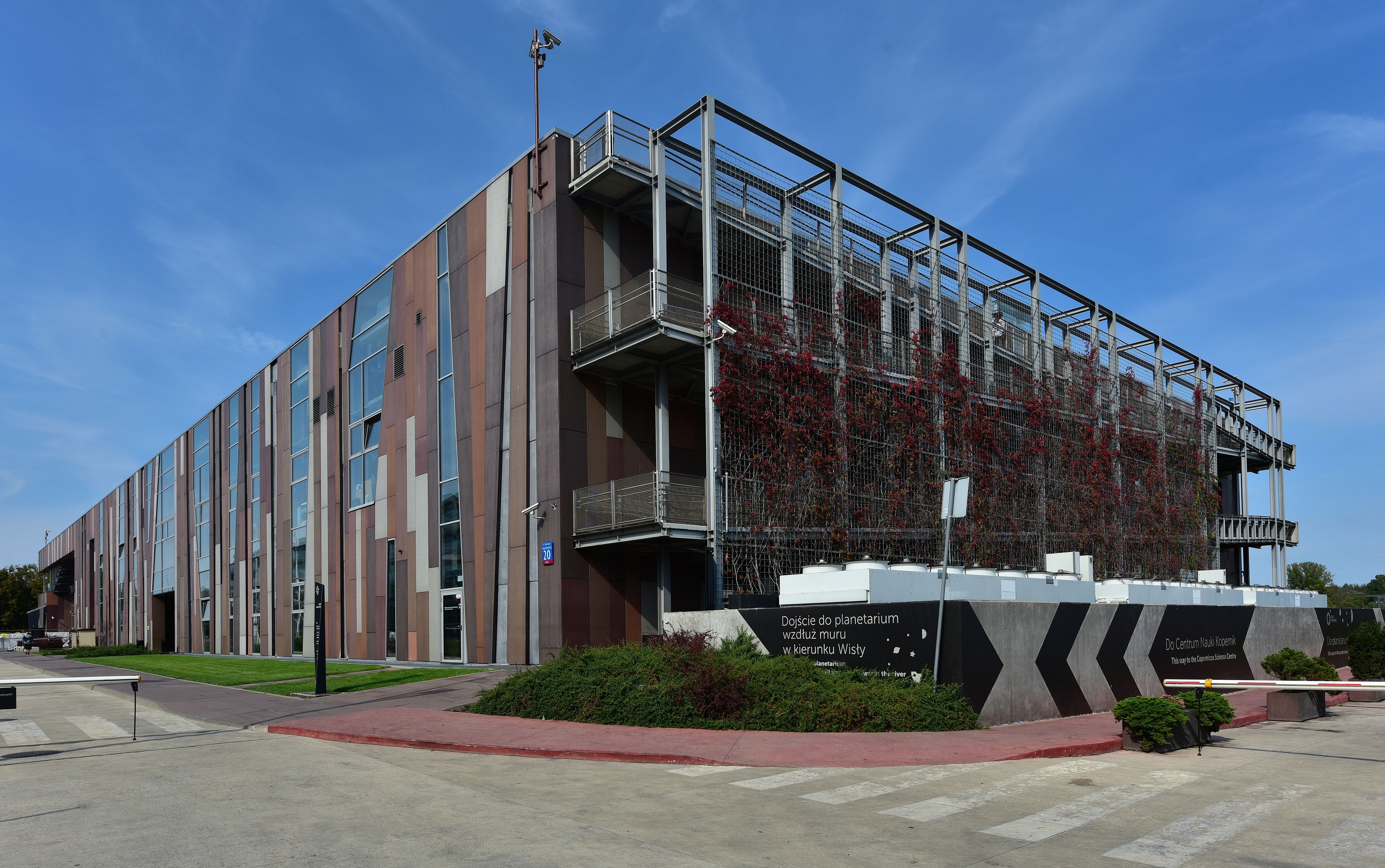
The Copernicus Science Centre in Warsaw announced on September 3 the launch of its "AI Course for Teachers," the centerpiece of the nationwide ZBADAI program, designed to teach teachers and students how to use artificial intelligence responsibly in education. Poland's Minister of National Education, Barbara Nowacka, attended the launch event at the center's Copernican Revolution Workshop.
The ZBADAI program is a joint initiative of the Ministry of National Education (MEN) and the Copernicus Science Centre, built around two pillars: training teachers to work with AI tools and having students carry out real research projects using those tools. Unlike the ministry's earlier general announcements about bringing AI into schools, this is a concrete, already-launched program with assigned schools, a timeline and a budget.
How the course works
The training for teachers is free and delivered on the Zintegrowana Platforma Edukacyjna (Integrated Educational Platform). Participants spend around 120 minutes a week on independent study, plus six online sessions with experts. The program combines self-paced work with webinars, and at the end teachers go through a personalized practical module in which they jointly design lesson scenarios that use AI.
The course's authors say the materials were developed jointly by Copernicus Science Centre experts, researchers, AI practitioners, programmers and teachers themselves, whose input as end users was meant to ensure the content matches schools' real needs. The core modules cover the basics of how artificial intelligence works, writing prompts for language models, analyzing and creating multimedia, practical applications of AI in teaching, and ethical and legal issues.
School selection and scale
A total of 754 schools applied to the program - 470 primary and 284 secondary. In the end, 100 schools were selected from each group, with another 40 primary and 54 secondary schools placed on waiting lists. Selection criteria included infrastructure, such as access to wireless internet and space for project work, as well as team motivation, prior project experience and a creative approach to digital tools.
Selected schools receive not only teaching materials and expert support from the Copernicus Science Centre, but also a funding package for equipment and project implementation, plus pay for teachers for an extra 20 hours of work beyond their regular workload. Each school forms a team of at least 15 students and 2 teachers who spend the whole semester working on a single research project supported by outside experts.
Ministry's position
At the course's launch, Minister Barbara Nowacka stressed that access to technology alone isn't enough - what matters is teaching teachers and students an approach that lets them use AI wisely, rather than just operating another tool.
Equipment alone isn't enough - Barbara Nowacka, Poland's Minister of National Education
Context for Polish schools
ZBADAI fits into a broader trend at the education ministry, which in recent months has started treating AI as a permanent part of education policy, alongside moves such as restrictions on AI use for younger students in other countries and debate over chatbots' impact on exam results. Unlike general declarations, the Copernicus Science Centre's program has a concrete timeline: primary schools begin their research projects in the 2026/2027 school year, and secondary schools a year later, in 2027/2028.
For teachers, this marks the first systemic, funded training in using AI for teaching, covering not just the technical side of prompting but also the ethics and law around using these tools in the classroom. For students, it means taking part in realistic research projects where AI is treated as a research tool rather than just a generator of ready-made answers.
The program will initially cover 200 of the several thousand primary and secondary schools in Poland, so its direct reach remains limited. The key question is whether the materials and lessons from this first edition will be used to scale the course to more schools in coming school years.