News
Copper Scrap Prices Hit Records in Poland as AI Data Centers Fuel Demand
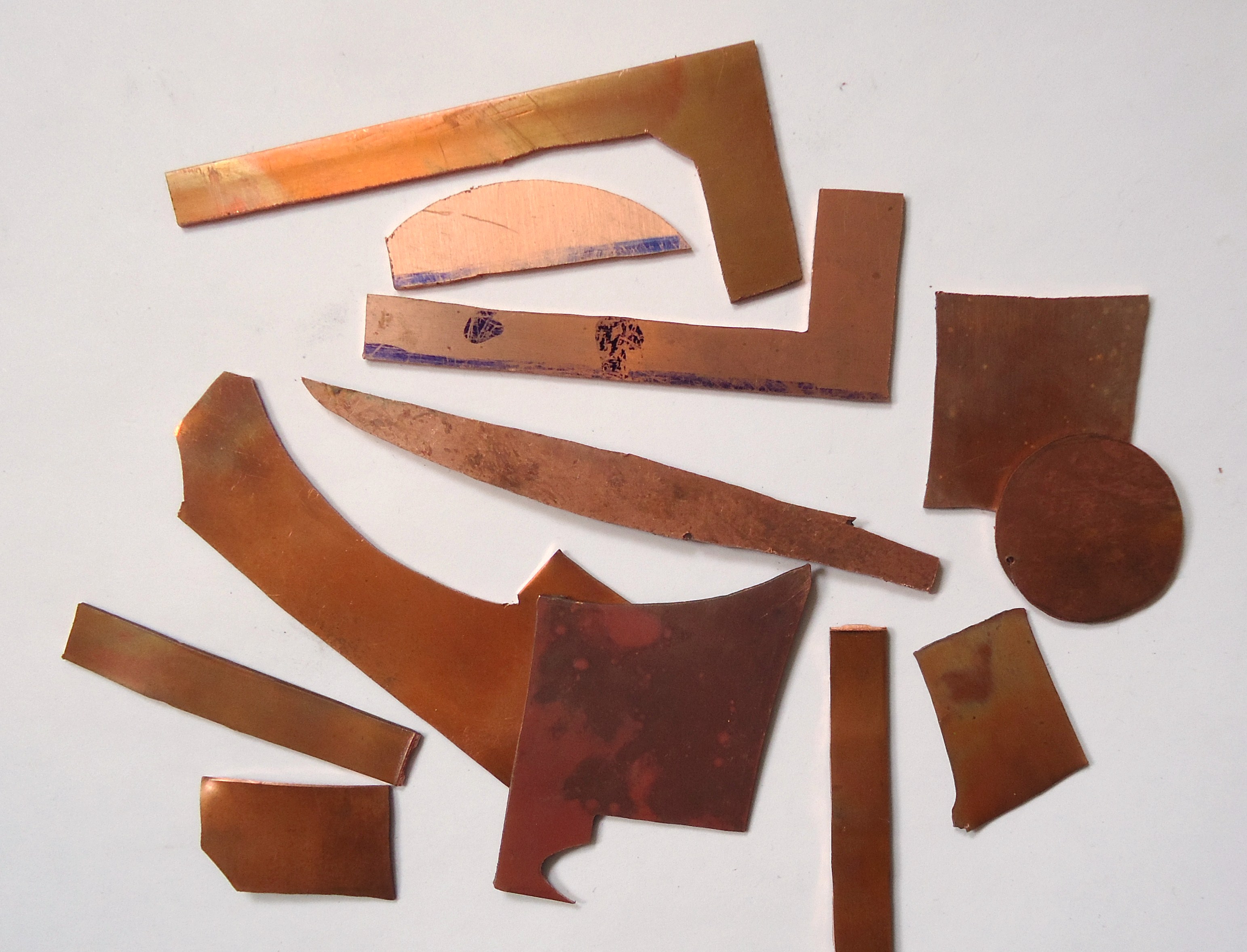
Scrap yards in Poland are now paying up to 46-48 zloty per kilogram for pure copper, up 57.8 percent since early 2026, as the construction of AI data centers adds fresh demand to an already tight market.
Contents
A kilogram of pure millberry copper is fetching 46-48 zloty at Polish scrap yards today, with local prices in some cities nearing 50 zloty. It's a level nobody expected just a year ago, and one of the drivers behind the surge is the breakneck expansion of data centers powering artificial intelligence.
A year-long surge
At the start of 2026, Polish scrap collection points were paying around 30 zloty per kilogram for pure millberry copper. Today rates run between 46 and 48 zloty, and in some cities they're approaching 50 zloty. That's a 57.8 percent increase in under eight months, a pace rarely seen in commodity markets, which typically move by single or low double digits annually.
Ordinary copper in pieces now sells for around 45 zloty per kilogram, while unsorted copper or tinned copper fetches about 43 zloty. By comparison, until recently the industry treated crossing the 40 zloty per kilogram mark as noteworthy. Now that's just the entry level.
Data centers as a new buyer
Alongside the classic drivers of copper demand, such as electric vehicles and renewable energy, a new and fast-growing player has entered the picture: AI infrastructure. Building data centers that run AI models requires enormous amounts of wiring, transformers and power systems, and copper remains the primary conductive material in this kind of installation.
Every new data center means hundreds of kilometers of power and network cabling, switchgear, cooling systems and backup generators, all places where copper is irreplaceable because of its conductivity. The scale of global investment in AI infrastructure means demand from this sector is now showing up even in the price lists of local scrap yards in Poland.
EVs and a supply shortfall
The second major factor remains electromobility, especially China's investment in electric vehicles and the infrastructure that supports them. A single electric car contains about 80 kilograms of copper, roughly four times more than a typical combustion-engine vehicle. With EV production rising, global copper consumption in the auto sector alone is climbing sharply.
On the supply side, the picture is the opposite. Opening a new copper mine takes ten to fifteen years, so producers can't react quickly to a jump in demand. On top of that, ore quality is declining in key regions such as Chile, Peru and Zambia, and geopolitical uncertainty in the Middle East is further constraining production capacity.
Forecasts for coming years
According to data from analytics firm S&P Global, cited in industry reports, global copper demand could rise by about 50 percent by 2040, reaching roughly 42 million tons a year. Given current mining constraints, that forecast points to sustained price pressure for years to come rather than a temporary spike.
Industry experts expect scrap purchase prices to keep climbing in the coming months. For people who collect and sell scrap, that translates into a real chance at higher earnings, especially from old cables, wiring and parts salvaged from decommissioned electrical equipment.
What it means for Poland
For Polish construction and electrical companies and cable manufacturers, rising copper prices mean higher material costs, which sooner or later feed through into the prices of services and finished products. At the same time, for residents with old wiring, cables or appliances to replace, the current scrap market offers a chance at some extra cash.
The copper price story is also an indirect but very real illustration of how the investment boom around artificial intelligence is reaching ordinary consumers and local markets, well beyond data centers and tech stock valuations.