News
Cory Doctorow: 'Sovereign AI' Is the Wrong Fight
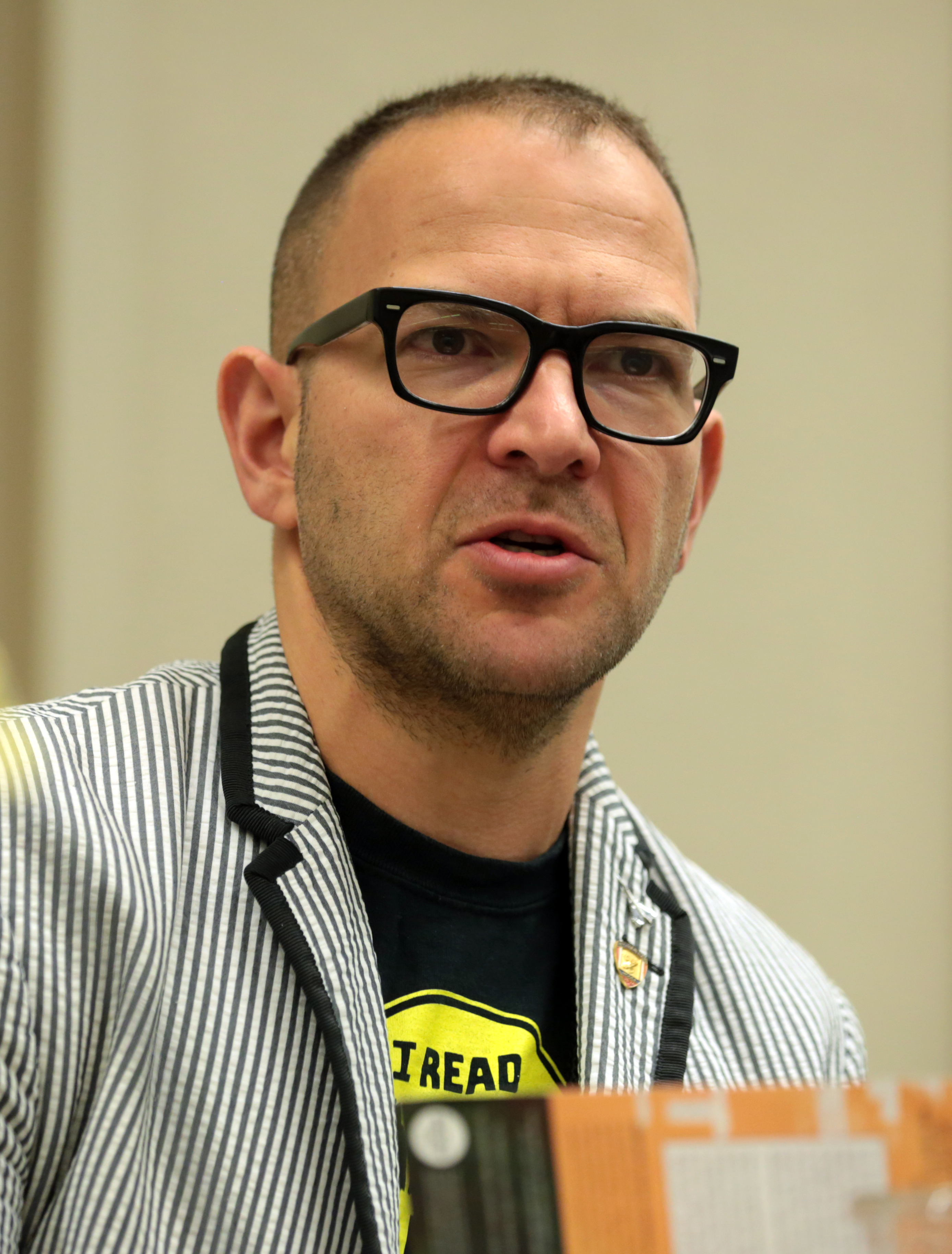
Writer and tech critic Cory Doctorow argues that countries chasing "sovereign AI" as a defense against Trump's policies are missing the point, since the real risk lies in dependence on cloud services and corporate software, not chatbots.
Contents
Cory Doctorow, the well-known science fiction writer and Silicon Valley critic, has called the idea of "sovereign artificial intelligence" nonsense. In a post published on July 22, 2026 on his blog Pluralistic, he argues that countries building their own language models as a shield against Donald Trump's policies are fighting the wrong enemy.
Origins of the Argument
Doctorow's post was prompted by a piece from Australian economist and commentator John Quiggin, describing how the Trump administration is systematically undermining the four pillars of American dominance: diplomatic, military, financial and technological. Quiggin argued that the AI race isn't won by whoever spends billions first, but by "low-energy tortoises" - countries and companies that copy the leaders' solutions much more cheaply and without building their own giant data centers.
Quiggin pointed to China's DeepSeek and France's Mistral as examples of such imitators, capable of replicating the capabilities of American models for a fraction of the cost incurred by OpenAI, Google or Anthropic. It was this observation that prompted Doctorow's broader reflection on whether investing in domestic AI models makes sense as a defensive strategy against Washington.
Why Chatbots Aren't the Real Threat
According to Doctorow, a scenario in which Trump orders American chatbots cut off in another country would have no real economic impact. It would be a different story if the US president ordered Microsoft to cut a country off from Office 365, or to remotely disable fleets of John Deere farm machinery - that, he argues, would trigger immediate and measurable economic paralysis, since day-to-day administration, telecommunications and commerce depend on those systems.
Sovereign AI is, frankly, nonsense. If Trump turns off all of your country's chatbots, nothing changes - Cory Doctorow, author of the Pluralistic blog
In the face of these real, non-speculative, immediate, grave threats, focusing on AI - the money-losingest technology in human history, which has consistently underperformed relative to its boosters' promises - is just misguided - Cory Doctorow, author of the Pluralistic blog
An Alternative to the Model Race
Rather than investing in building their own large language models, Doctorow recommends that countries focus on building independent applications and data centers to handle day-to-day administration, telecommunications and e-commerce, then migrate the data of ministries, companies and households onto these new platforms. He stresses that the hardest part of such independence isn't writing or deploying code, but extracting data from existing systems, replacing firmware, and connecting new solutions with old infrastructure.
The author also points to a legal obstacle: trade agreements the United States has signed over the years make it illegal to reverse-engineer exported American technologies. In his view, it is Trump's own policy, through its unpredictability and contract-breaking, that has undermined the value of US-controlled systems more effectively than critics of those agreements managed to do over the years.
Implications for the Sovereignty Debate
Doctorow's argument cuts against a growing trend in Europe and worldwide of building "sovereign AI" - from France's Mistral, to Poland's Bielik, to EU plans for computing gigafactories. In Poland, the topic of technological sovereignty regularly comes up in government statements, including in connection with efforts to secure a European AI gigafactory and the work of the Rada Przyszłości (the Prime Minister's Council for the Future). Doctorow doesn't deny the need for digital independence as such, but shifts the focus from language models to cloud infrastructure, office software and industrial systems, the things states actually depend on to function.
For companies and public administrations, this distinction carries practical weight when planning spending on technological independence. If Doctorow is right, budgets directed solely at domestic AI models could overlook a far more urgent risk: dependence on foreign providers of cloud services, office software and remotely controlled industrial systems.
Doctorow, previously known as the person who coined the term "enshittification" to describe the gradual degradation of digital platforms, has for months positioned himself as one of the more vocal critics of the AI industry. In his latest book, The Reverse Centaur's Guide to Life After AI, he describes generative technology as costly and overhyped, a view reflected in this piece too, where he calls AI "the money-losingest technology in human history."
Doctorow's piece is not the only voice in this debate, but given his profile and his track record of criticizing Big Tech, it quickly made its way into foreign and Polish trade media, including The Register and CRN Polska, which highlighted his arguments as a counterpoint to the growing wave of government investment in domestic AI models.