News
CVS Wants to Become the Digital Front Door to US Health Care

US pharmacy chain CVS Health is launching Health100 with Google Cloud, an AI agent designed to guide patients through appointment scheduling, prescriptions and insurance in one place. The company is testing the platform with a small group of customers ahead of a wider rollout later this year.
Contents
CVS Health, the largest pharmacy chain in the United States, is betting on artificial intelligence as a way to regain contact with customers in America's fragmented health care system. The company is building the Health100 platform together with Google Cloud, a digital AI agent meant to help patients schedule appointments, pick up prescriptions and understand what their insurance covers, regardless of where they actually receive care.
How the Health100 agent works
Health100 is not another standalone health app, but an agent layer that connects existing systems run by CVS, insurers, doctors and pharmacy benefit managers. Instead of logging in separately to a pharmacy portal, an insurer's portal and a clinic's calendar, the patient is meant to talk to a single agent that knows enough about them to proactively suggest next steps.
In practice, this might look like: a patient with diabetes gets a notification that their blood sugar level is rising, a reminder to restock insulin before a trip, a suggestion to schedule an overdue eye exam, and information that a cheaper equivalent of their prescribed medication is available. The whole sequence is meant to trigger automatically, without the patient having to initiate anything.
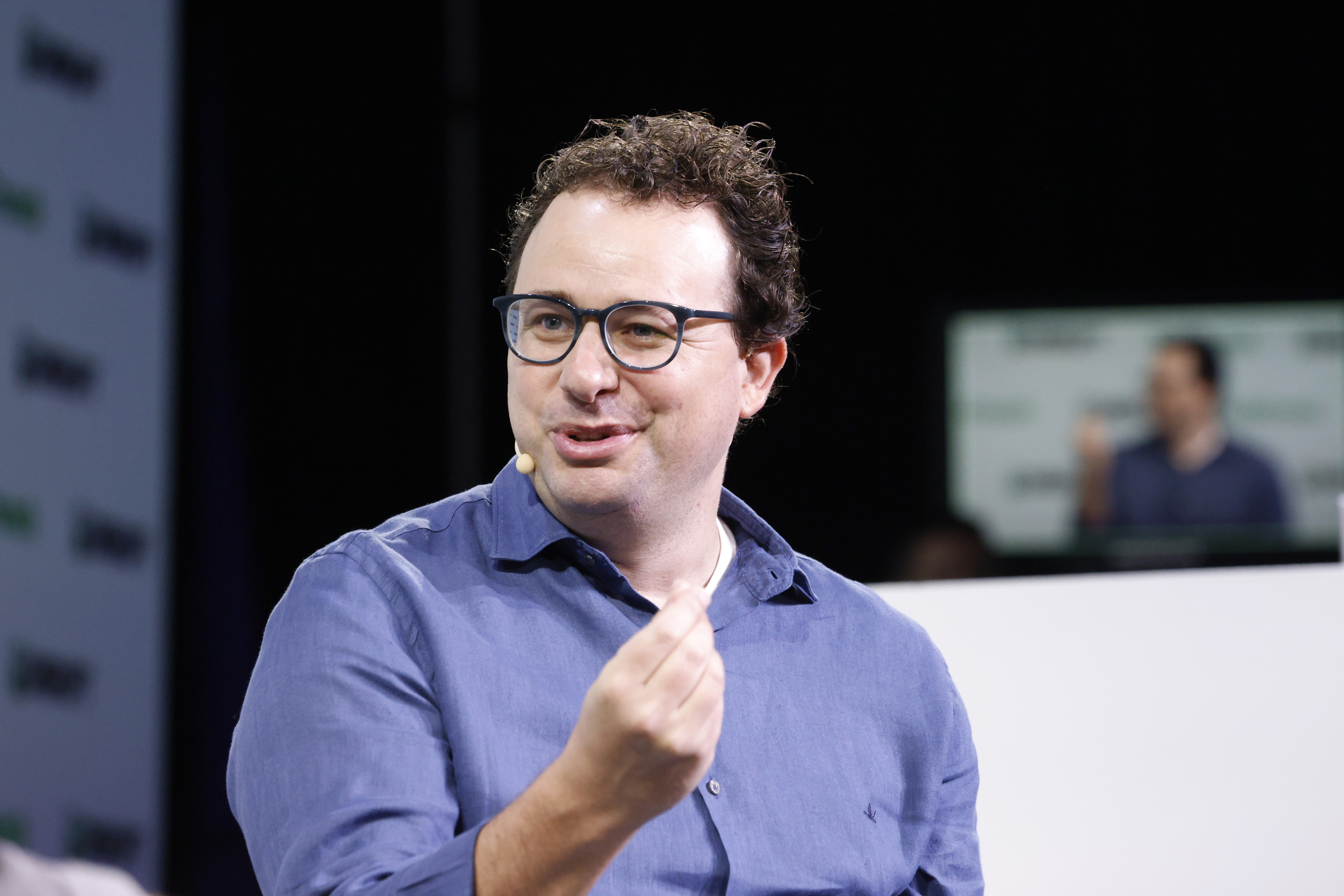
It's always on, and as it learns more about a person by pulling data from across the system, patients get their own personal health record with an agent sitting on top helping them make sense of it all - David Joyner, CEO of CVS Health
The race for the digital guide role
CVS is not the only company aiming to become the main point of contact between patients and the health care system through AI. The biggest health care companies in the US have spent months building competing agents, betting that they will become the trusted guide through an increasingly fragmented market of medical services, pharmacies, insurance and telehealth. Joyner is betting that Health100 will become an industry standard regardless of where a given patient actually receives care.
Health100 formally operates as a separate technology company spun off from CVS Health, which is meant to give it more freedom to sell the service to other market players too, not just CVS pharmacy customers. It's a model similar to how other major tech companies spin off AI units so they can offer them more broadly than just to their own users.
The trust barrier and past health app failures
The biggest risk to the project isn't the technology, it's user habits. Health care companies have spent years trying, with limited success, to get patients to use health apps regularly. Health100 requires something more from users than downloading yet another app, it requires trust that a company collecting data on prescriptions, diagnoses and insurance will protect and use it responsibly.
That trust is harder to earn given that CVS Health has spent years under scrutiny from regulators and antitrust authorities over its vertically integrated business model, which spans pharmacies, the insurer Aetna, and the pharmacy benefit manager CVS Caremark. Critics point out that concentrating this much patient data in the hands of one company raises questions about who actually benefits from personalized recommendations, the patient or CVS shareholders.
What's next for the platform
Before Health100 reaches a broad customer base, CVS plans to test with a limited group whether the agent can actually function as a round-the-clock health partner, before deciding on a wider rollout later this year. The result of this test will show whether a model built around a single AI agent tying together the whole system truly beats existing, fragmented health apps, or shares their fate and ends up as just another tool patients use only occasionally.
For the Polish market, the CVS project is above all a signal of the direction major Western health care systems are heading, toward AI agents that tie together data from multiple institutions into a single interface for the patient. In Poland, similar ambitions have already been voiced by Orange Polska, with AI assistants deployed at the Children's Health Center (Centrum Zdrowia Dziecka) and a hospital in Wadowice, though so far on a much narrower scale than the integration of pharmacies, insurance and outpatient care into a single agent that CVS is promising.