News
Facebook Rolls Out Facial Verification Instead of ID Checks
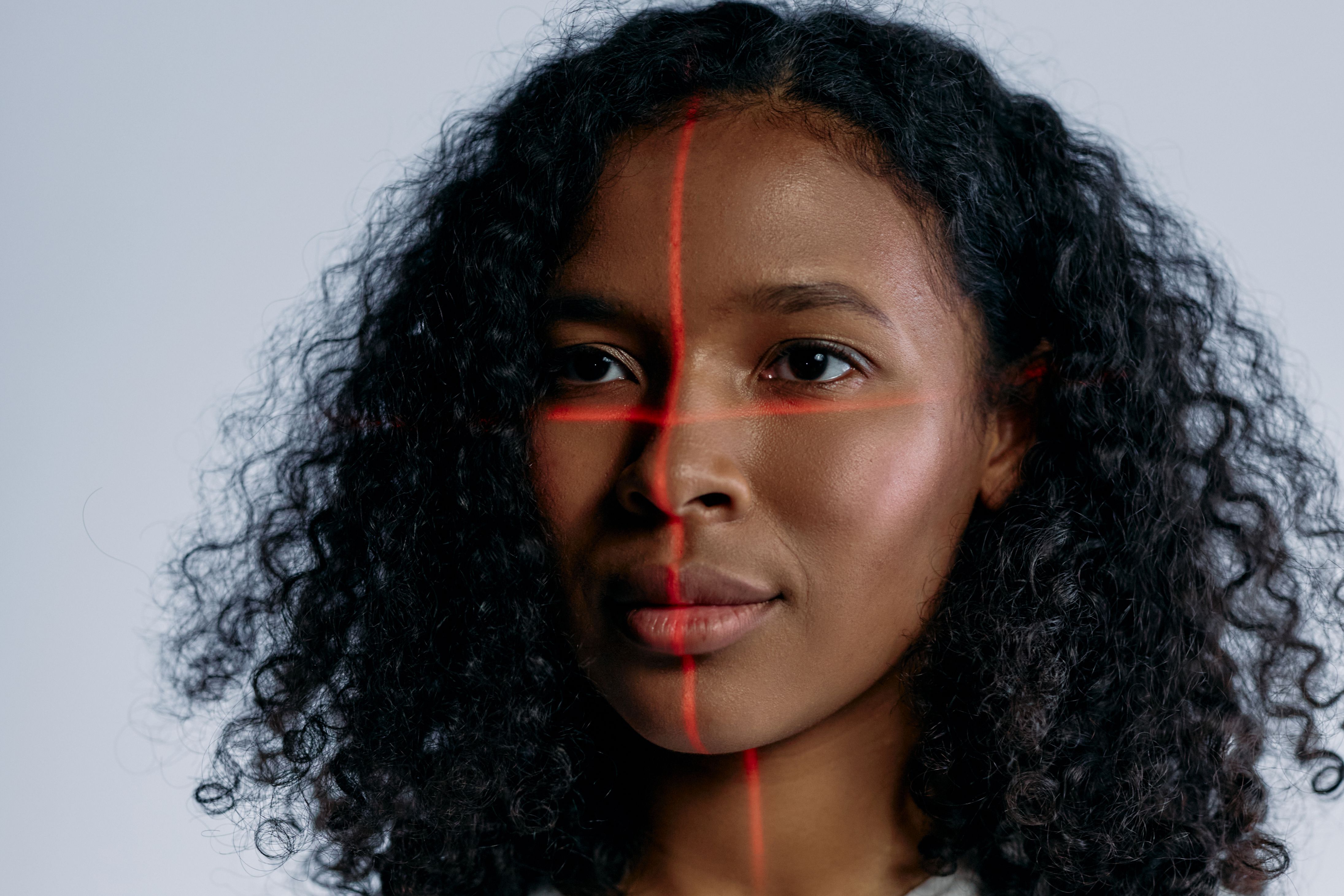
Meta has launched Facebook Verified, a free badge confirming a real person is behind a profile, matching a selfie video against existing account photos instead of requiring an ID scan. The move revives facial recognition technology Meta shut down in 2021 after a wave of privacy lawsuits.
Contents
Meta rolled out a new feature on Monday called Facebook Verified, a free badge meant to confirm that a real, living person, not a bot or an AI-generated account, is behind a given Facebook profile. Instead of uploading a scan of a government ID, users record a short selfie video that Meta's algorithms compare against the profile photos already on the account.
How the Verification Works
The process resembles setting up Face ID on an iOS phone. Users record a few seconds of video of their face, and the system compares the moving image against photos already saved on the account to confirm a match. Meta says the whole procedure takes just a few minutes. Once verification succeeds, a new badge appears on the profile, initially visible in the sections most prone to scams: Marketplace, Dating and Groups. In later stages it is set to appear on posts in the main Feed as well.
The conditions are tightly defined. Only adult users whose accounts are in good standing under Facebook's community standards on fraud, spam and inauthentic behavior can use the feature. The badge does not extend to business Pages or accounts running in ProMode, since it's designed strictly for personal profiles, not creators or businesses.
Why Meta Is Returning to Facial Recognition
The decision is a direct response to a flood of accounts created with the help of generative AI. Generating a convincing-looking profile photo and firing off automated messages to potential victims now takes scammers mere seconds, fueling fake Marketplace listings, bogus dating profiles and scams in local groups.
As AI makes it easier to do more on Facebook, a clear signal that distinguishes real people becomes essential - Meta statement
The company is explicit that the badge is not a guarantee of a person's honesty. A verified user can still scam someone, sell defective goods or lie in conversation. Facebook Verified only confirms that there's a real, living person on the other side of the screen, not an artificially generated avatar or a bot network.
A Troubled History with Biometrics
The return to facial recognition is a reputational gamble for Meta. For more than a decade the company ran its Tag Suggestions technology, analyzing the facial geometry of virtually everyone appearing in photos uploaded to Facebook, without clearly informing users how the mechanism worked. In February 2022, the state of Texas sued Meta for violating its biometric data laws, and the case ended in July 2024 with a $1.4 billion settlement, paid out in installments over five years, the largest privacy penalty ever secured by a single U.S. state attorney general. Earlier still, in November 2021, Meta announced it would shut down facial recognition on Facebook entirely and delete the individual biometric data of more than a billion users.
The company has not disclosed how long it retains the video recordings from the Facebook Verified process, where they're processed, or exactly when they're deleted. Promotional materials describe only the face-matching mechanism itself, leaving out what happens to the recordings afterward.
When the Feature Will Reach Poland
Facebook Verified launched first in the United States. Before the feature reaches Poland and the rest of the European Union, Meta will need to adapt the process to the requirements of GDPR (the EU's General Data Protection Regulation) and the EU AI Act, which impose extra obligations on the processing of biometric data and on identity verification systems classified as high-risk. Observers reckon these requirements will almost certainly delay the feature's European debut by many months compared with the U.S. launch.
For Polish users, this means for now that the badge simply won't be available, though the topic is likely to resurface: Meta routinely tests verification tools in the US that later, after adjustments to comply with EU law, make their way to the European market as well. It's also worth noting that handing biometric data to a company with a track record of privacy incidents raises legitimate concerns, no matter how simplified the process has become.
For businesses and sellers using Marketplace or Facebook shopping groups, the badge could eventually become a practical trust filter, much like phone number or bank account verification is today. How effective it turns out to be, though, will depend on how many users actually choose to voluntarily submit a video of their face in exchange for nothing more than the badge itself, with no additional functional benefits.