News
Fed Financial Stability Report: AI Is the Most Cited Risk, Named by 87% of Respondents
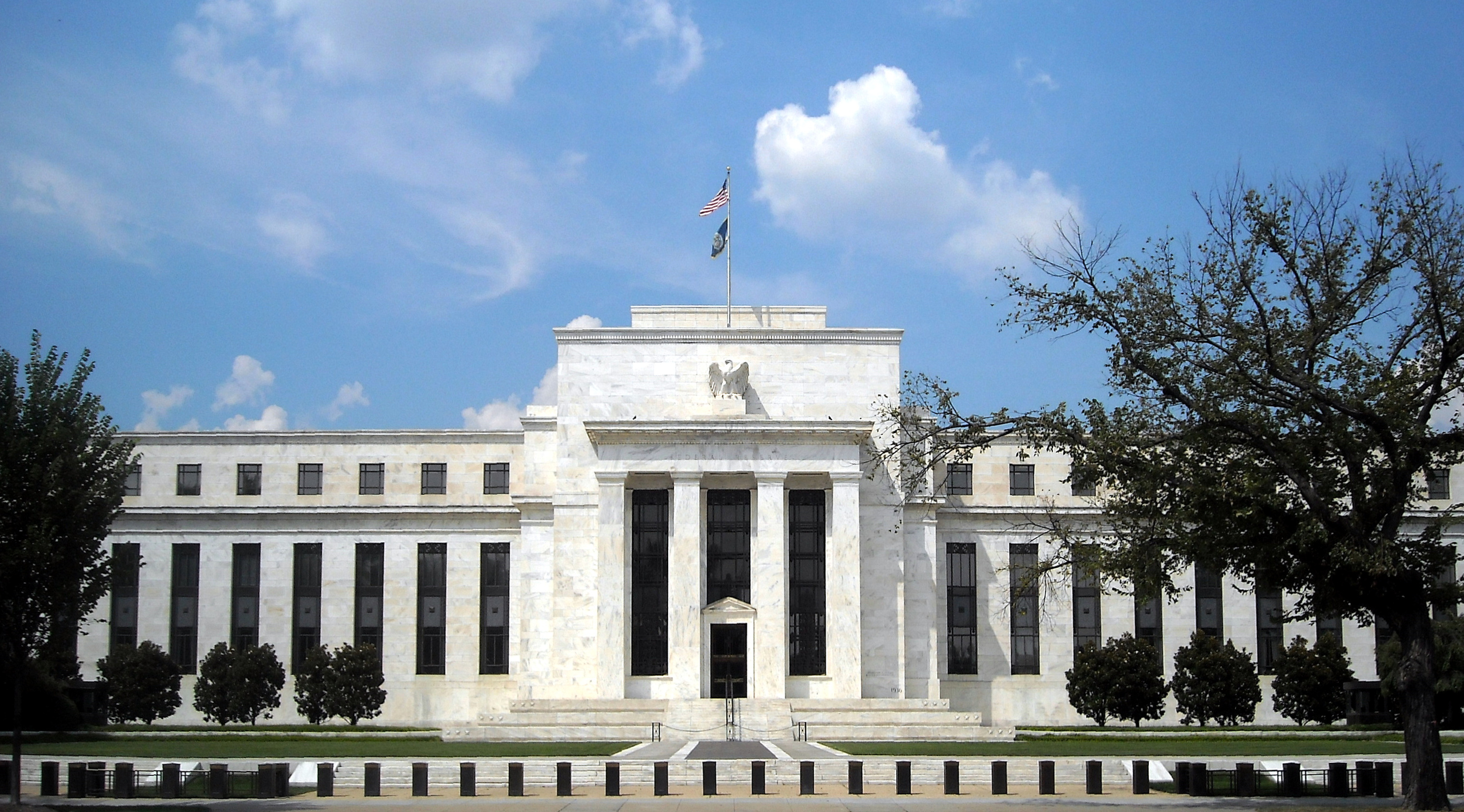
In the Federal Reserve's financial stability report published November 13, 87% of survey participants called AI a significant risk to the financial system. In the spring 2026 survey, the figure was 50%.
Artificial intelligence has taken the top spot on the list of threats to the financial system in a survey attached to a report from the US central bank. The Federal Reserve published its financial stability report on Friday, November 13, 2026.
What the survey showed
The Fed's financial stability report comes out twice a year. Part of the document is a survey in which market participants name the risks they consider significant for the financial system. According to CNBC, 87% of respondents cited AI, compared with 50% in spring 2026.
Behind AI on the list came a correction in risky asset prices, mentioned by 52% of those surveyed. CNBC also reports that 48% were worried about higher long-term interest rates. The sustainability of US public debt was flagged as a problem with debt above $40 trillion and the deficit nearing $2 trillion.
Three areas of concern
CNBC lists three AI-related areas that respondents found worrying. The first is high equity valuations: weaker-than-expected corporate earnings could trigger a market correction. The report itself speaks of elevated equity valuations in this context.
The second area is cybersecurity, covering both attacks by sophisticated state actors and damage caused by the latest AI models. The third is risks stemming from complex AI-related financing structures.
The market backdrop
The survey lands amid Wall Street nerves over the big AI infrastructure providers. CNBC also notes that, according to exit polling from this year's midterm elections, 56% of voters said data centers were of crucial or major importance in their choice.
Apart from AI-related risk, the report describes the financial system as relatively stable. At the same time, according to CNBC, hedge fund leverage is the highest since 2013 and concentrated in a relatively small group of firms.
How to read the numbers
This is a survey result, meaning market participants' opinions about what they consider a risk, not a forecast or a measure of the probability of a crisis. The jump from 50% to 87% shows how quickly sentiment in the financial community has shifted, but it does not say whether or when a correction will happen.
For Polish readers, this is mainly a signal about sentiment around tech company valuations and the financing of AI infrastructure. The report concerns the US system, so applying its conclusions to the Polish market would require a separate analysis, which the sources do not provide.