News
Google Launches Sec-Gemini Cybersecurity Agent and New AI Data Centers in India
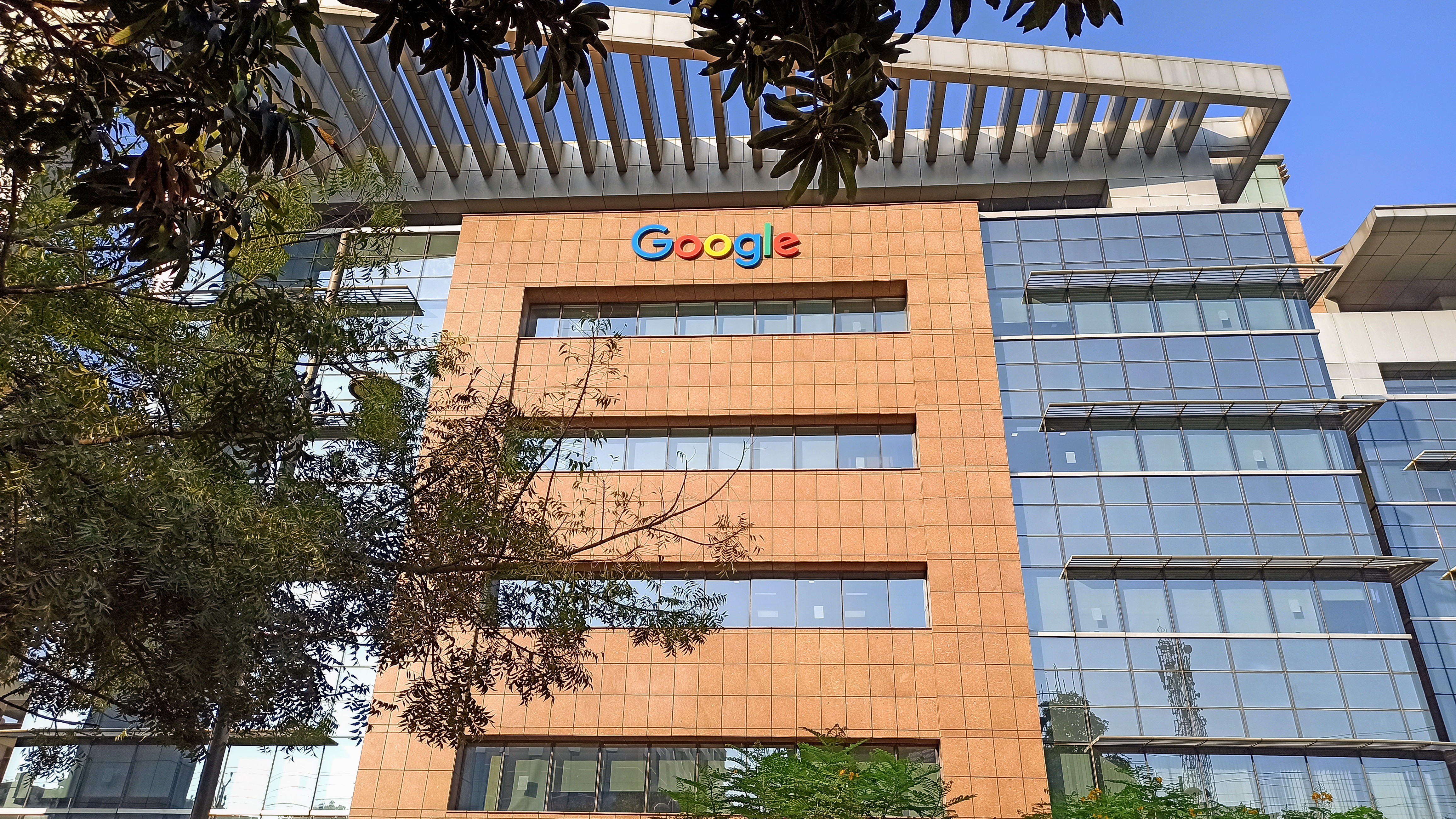
At the Google I/O Connect India 2026 conference in Bengaluru, Google announced the Sec-Gemini v3 security agent, the open agent-isolation system CAPSEM, and local Gemini data centers for regulated sectors.
Contents
Google announced on Tuesday in Bengaluru a series of new AI tools for the Indian market, ranging from a cyberthreat-detection agent to cloud infrastructure for banks and public institutions. The Google I/O Connect India 2026 conference brought announcements spanning business, education and healthcare, which the company frames as a response to the shift from chatbots that answer questions to agents that carry out tasks on their own.
Security for AI Agents
The biggest business announcement is Sec-Gemini v3, a specialized model designed to analyze large volumes of threat data and help security teams respond to incidents in near real time. Google is currently making it available to a narrow group of testers, among them Indian e-commerce giant Flipkart.
The second piece of the puzzle is CAPSEM, short for Capabilities Security for Agents. It's an open runtime environment that places every AI agent inside its own isolated virtual machine. If an agent is hijacked or encounters a malicious instruction hidden in content, the rest of the system is meant to remain untouched. It's a response to the growing number of attacks aimed specifically at autonomous agents rather than traditional applications.
India's builders are already deploying AI faster than almost anywhere else. As we drive the shift into the agentic era, where AI moves from answering queries to securely executing tasks, our focus is on providing the underlying infrastructure and guardrails the ecosystem needs to scale safely - Preeti Lobana, Managing Director, Google India
Cloud for Banks and Government
Google is also expanding its offering for regulated sectors. Gemini 3.5 Flash and the broader Gemini family will be available through Google Distributed Cloud in data centers located within India, without connectivity to the public internet. It's a response to data-localization requirements imposed on banks, insurers and public institutions, which until now have held back from deploying cloud-based models over concerns about regulations governing the storage of sensitive data.
Education and Health
The company also announced a free, 56-hour AI Research Foundations course teaching how to build and fine-tune large language models, run in partnership with the Indian Institute of Science in Bengaluru. Schools are getting ATL Saathi, a Gemini-based web app for teachers working within the Atal Tinkering Labs program administered by the Atal Innovation Mission, currently in a hundred schools with a target reach of ten thousand.
In healthcare, Google highlights its collaboration with AIIMS Delhi on developing the open MedGemma models, used among other things in research on malaria and reproductive health. The company presents this as part of a broader strategy of connecting foundational research with concrete clinical applications in a country where access to medical specialists is limited outside major cities.
The Scale of India's AI Market
India has for several years been one of Google's priority markets for AI expansion, alongside the infrastructure investments previously announced by Sundar Pichai, including the construction of a full AI hub in Visakhapatnam. Revenue from the Play and Android ecosystem alone, reaching roughly 5.3 trillion rupees in 2025, shows why the company treats this market as a testing ground for agentic products before they reach other emerging economies.
For Polish companies considering similar deployments, the direction Google is taking matters: separating the language model itself from the security and execution-isolation layer. CAPSEM, as an open tool, could extend beyond India, as could the data-localization rules now being tested with banks and government agencies in Bengaluru, especially since European companies in the financial and public sectors face similar requirements to store data within the EU.
Google has not yet given a timeline for rolling out Sec-Gemini v3 and CAPSEM to a wider range of customers beyond the pilot deployments in India. The company also announced an expansion of its Google for Startups accelerator program to include twenty Indian startups in health, agriculture, finance, climate and cybersecurity, along with a partnership between Google DeepMind and the Indian government called National Partnerships for AI.