News
Autonomous Unveils Intern 2, a $249 Physical AI Desk Device
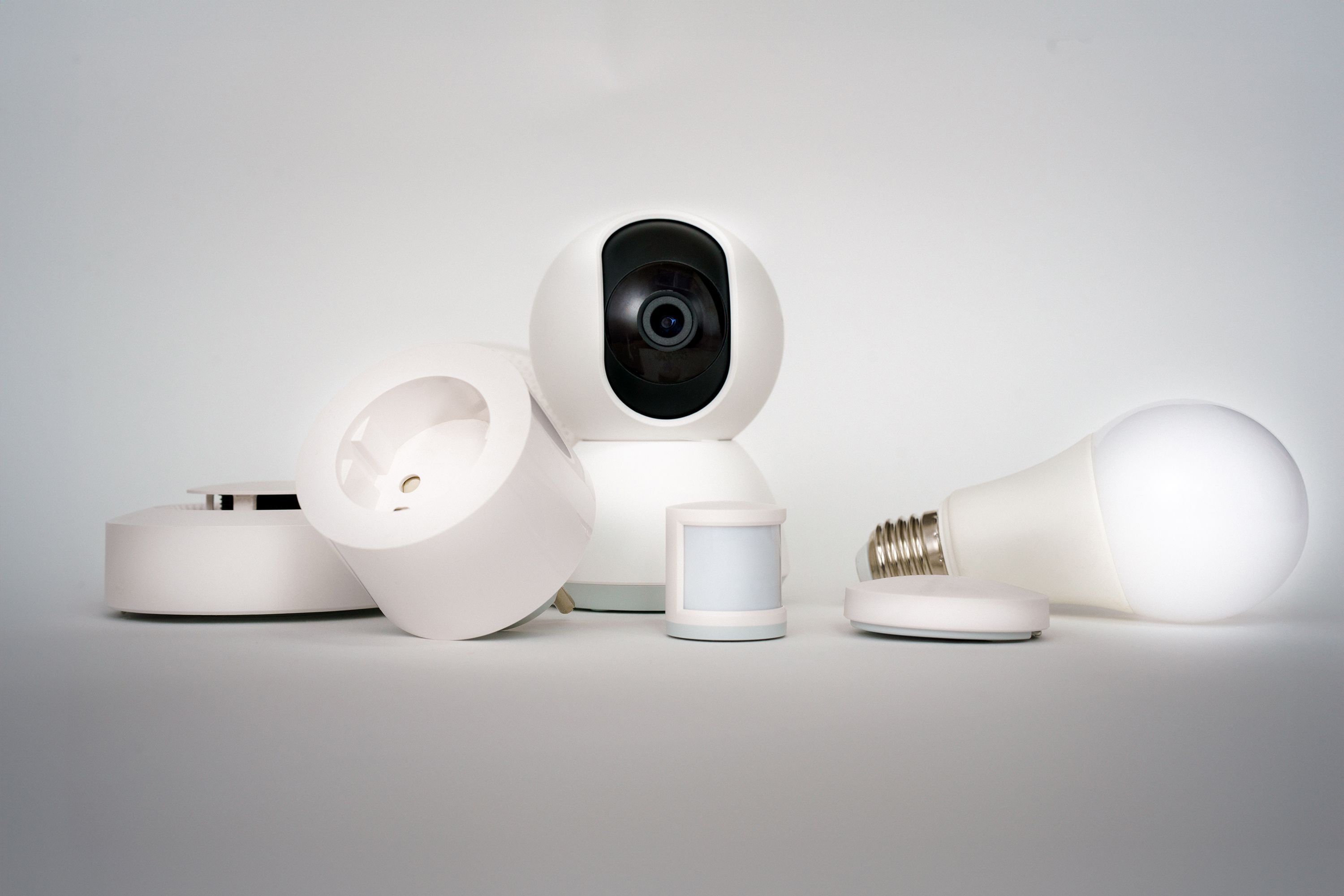
Autonomous, previously known for standing desks, is launching Intern 2, a $249 desktop AI device meant to monitor email, chat apps and code repositories around the clock on the user's behalf.
Contents
American company Autonomous, known until now mainly for standing desks and office chairs, is entering the AI hardware market. Its new product, Intern 2, is a small pyramid-shaped device meant to sit on a desk next to a computer and handle administrative and coding tasks for an employee around the clock.
The device measures roughly 12 by 12 by 12 centimeters and connects to a computer and a user's company account over Wi-Fi. It is powered via USB-C, and interaction happens by voice or text, with an additional web panel for reviewing logs and analytics on completed tasks.
What it does on the desk
According to the maker's description, Intern 2 is meant to monitor a mailbox and sort messages, track issues and pull requests on GitHub, reply to messages on Slack, Discord and Telegram, and prepare morning summaries before the user even turns on their computer. Autonomous markets the device with the line that the only difference between it and a colleague at the next desk is that Intern works without any hourly limits.
The maker stresses that processing is meant to happen mostly locally, on the device itself, rather than on an external provider's cloud. That is meant to set Intern 2 apart from classic voice assistants that run entirely on the manufacturer's servers. The device ships with software called OpenClaw and Hermes, which integrates with popular workplace messaging apps.
Routing across four models
Rather than relying on a single language model provider, Intern 2 is designed to dynamically route queries to different systems depending on the nature of the task. Complex reasoning requests are meant to go to GPT-4 or Opus, everyday office tasks are handled by Claude Sonnet, tasks requiring specialized knowledge go to DeepSeek, and multilingual communication goes to Qwen. This approach is meant to let the company control costs by using cheaper models where they're sufficient and reserving pricier ones for harder tasks.
This approach fits into a broader trend of orchestrating multiple models within a single product, already familiar from developer tools and agent platforms. For a physical device sitting on a desk, though, it remains a less common approach than in software installed on a computer or phone.
Market context
The physical AI device market has a string of high-profile failures behind it. The Rabbit R1 and the Humane AI Pin, both pitched as breakthrough personal assistants, drew criticism for limited functionality and high prices relative to what they could actually do. Autonomous appears to be trying to sidestep some of that criticism by targeting not individual consumers but small and midsize businesses and development teams, which can buy the devices in bulk at a discount.
It's worth noting that the specs, pricing and feature descriptions come solely from the manufacturer's marketing materials. Creative Bloq, the outlet that covered the device, said it is only now planning an independent test and has not yet published a hands-on review. Claims about local data processing and real-world effectiveness in daily use therefore remain unverified for now.
What this means for Polish companies
For Polish IT teams and offices, the product is currently available only via import, with no local distribution or Polish-language support. At $249 per unit, or roughly a thousand zloty once converted and with customs duties added, the device sits in the pricier end of office gadgets rather than the cheap-accessory category. Companies weighing a purchase will need to judge whether a physical device offers a real edge over existing AI assistants that already run in a browser or as a desktop app, where mailbox and messaging monitoring features are available without extra hardware.
Autonomous says the first units will reach customers around July 20, 2026. Only then, once independent reviews start coming in, will it be possible to judge whether Intern 2 actually lives up to the manufacturer's promises or ends up as another piece of AI hardware that looks better in marketing materials than in daily use.