News
Wizz Air Launches WIZZ Holidays Platform With AI-Driven Trip Planning
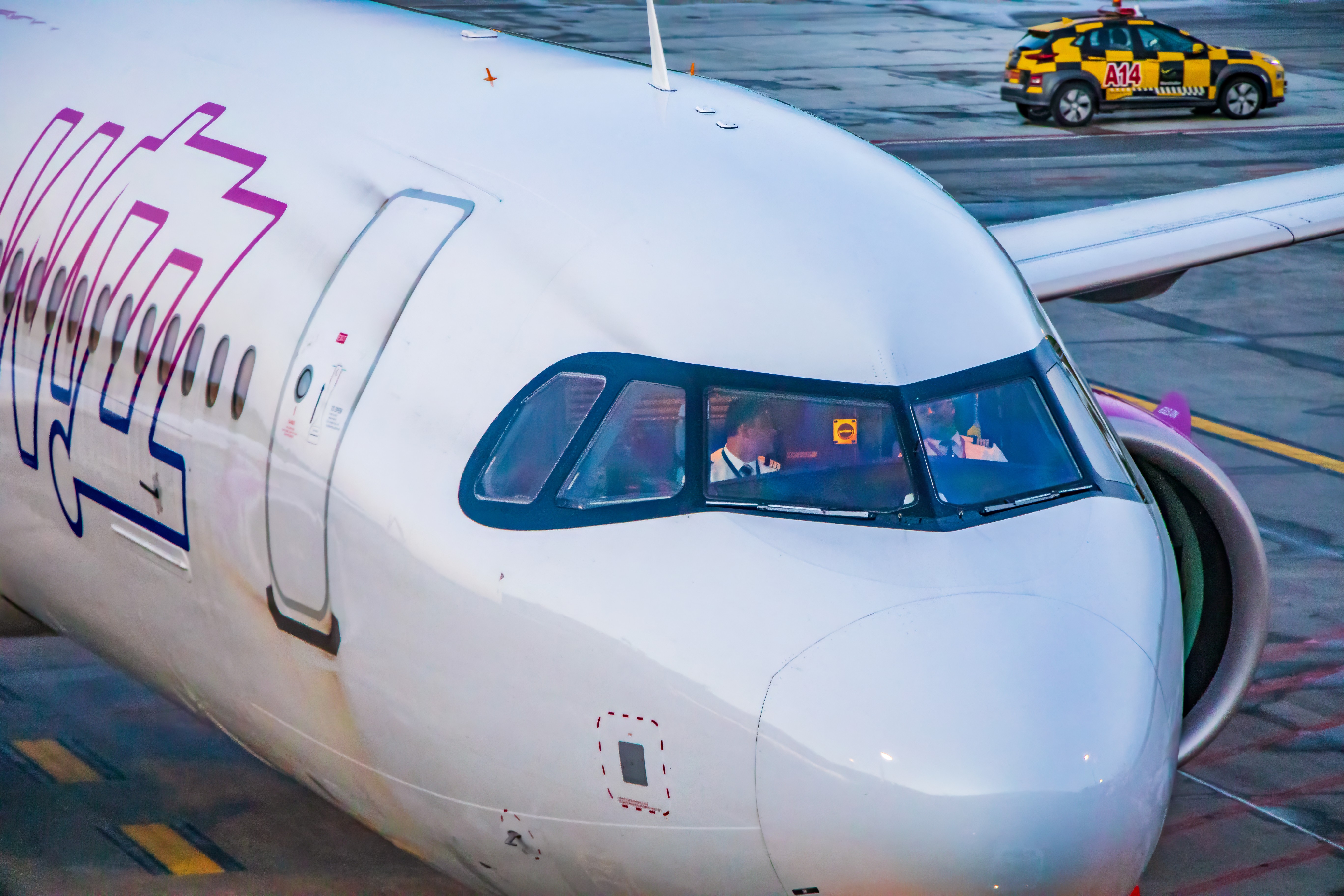
The Hungarian carrier is returning to holiday package sales eight years after shutting down Wizz Tours. This time, an AI-based system bundles flights, hotels and transfers into a single booking.
Contents
On July 2, 2026, Wizz Air launched a new platform called WIZZ Holidays, letting travelers book a flight, accommodation and airport transfer in a single process. The service's key feature is an AI-powered search tool designed to suggest destinations and travel dates even when a passenger has no fixed idea of where to go.
How the search tool works
The system lets users enter a general term instead of a specific city, such as 'Canary Islands,' 'Italy,' 'Egypt' or 'skiing.' Based on that input, the algorithm generates suggestions matched to the stated budget and date range, instead of forcing users to manually browse through destinations and dates one by one.
A separate feature, the 'Anytime Anywhere' option, is aimed at travelers with no specific destination in mind. In that mode, the platform searches Wizz Air's entire route network and automatically picks out the most attractively priced options available at that moment.
Multi-city trips
WIZZ Holidays also supports planning multi-city itineraries covering up to four destinations within a single trip, with different ground transport options between each leg. Passengers don't have to coordinate separate connections or bookings themselves, since the system assembles the entire route as a single package.
According to the carrier, bundled packages can work out cheaper than buying a flight, hotel and transfer separately, since Wizz Air offers them together at a discount versus individual prices. Destinations named at the service's launch included Spain, Greece, Italy and Egypt, among others.
A return after years away
Wizz Air had a similar product before. Wizz Tours operated from October 2013 to December 31, 2018 as a fully online operator selling flight-plus-hotel packages. At launch, the company's then-deputy CEO projected 25,000 bookings in the first year, with the service positioned as a cheap alternative to traditional travel agencies.
Wizz Tours was shut down without much explanation on New Year's Eve 2018, with the airline citing a wish to focus on its core carrier business. The new platform revives the same idea eight years later, this time with a different business structure and AI-driven marketing.
Who handles what
Unlike Wizz Tours, where the airline organized the packages itself, WIZZ Holidays has Wizz Air focus on flights while external partner Tryp.com provides accommodation and transfers, and is also responsible for consumer protection for customers buying the packages. That split is meant to let the carrier earn commission revenue without having to manage a hotel network on its own.
By combining our extensive network of low-cost routes with the capabilities of artificial intelligence, we've eliminated the complexity of trip planning and made organizing a getaway simpler than ever - Silvia Mosquera, Chief Commercial Officer at Wizz Air
Mosquera added that the slogan 'Unpackage Yourself' is meant to encourage passengers to take advantage of the airline's competitive fares and the flexibility of multi-city trip planning, rather than sticking rigidly to a single destination.
What it means for the market
Wizz Air's move into dynamic packaging fits a broader trend of budget airlines increasingly trying to capture revenue that traditionally went to travel agencies and booking platforms. Other low-cost carriers have taken similar steps, adding ancillary services on top of ticket sales, such as insurance, car rentals and holiday packages.
For Polish travelers, the offering could have practical relevance, since starting in October Wizz Air is launching new routes from Poland to Egypt from several airports, including Warsaw-Modlin, Gdansk, Katowice and Krakow. Those destinations overlap with some of the routes promoted through WIZZ Holidays, suggesting the platform may be getting tested specifically in this market.
The venture's success will depend on whether the AI-suggested packages actually come out cheaper than piecing a trip together from separate bookings, which has historically been a weak point of similar services offered by low-cost carriers.