News
Insilico Medicine Nominates AI-Designed Painkiller That Beat Morphine in Animal Trials
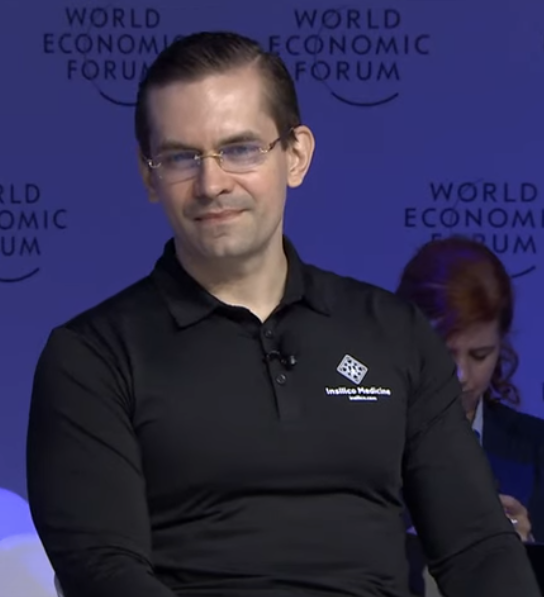
Chinese-American biotech company Insilico Medicine has announced the nomination of ISM9528, an AI-designed compound, as a candidate for a non-opioid painkiller. In animal studies, it outperformed both morphine and pregabalin.
Contents
Insilico Medicine, a Hong Kong-listed biotech company known for designing drugs with artificial intelligence, announced on July 22, 2026 the nomination of the compound ISM9528 as a preclinical candidate for further development as a new non-opioid painkiller. In animal tests, the compound reportedly outperformed both morphine and pregabalin, a drug currently used to treat neuropathic pain.
What the AI Found
The molecular target for ISM9528, referred to internally by the company as Target Z, was identified by PandaOmics, Insilico Medicine's AI engine for therapeutic target discovery. The system scans vast biological datasets and scientific literature for mechanisms that elude traditional research methods. The chemical compound itself was designed by the generative platform Chemistry42, which optimized the molecule's selectivity and pharmacological properties through iterative cycles combining AI generation with evaluation by chemists.
ISM9528 is intended to be a first-in-class compound acting on a previously unexplored biological mechanism. The company emphasizes that the drug is taken orally, crosses the blood-brain barrier, and is not an opioid, setting it apart from most of today's potent painkillers.
Animal Test Results
In a neuropathic pain model based on spinal nerve ligation in rats, the compound produced dose-dependent pain relief. In a model of acute postoperative pain, it acted quickly, within about half an hour of administration, outperforming an equivalent dose of pregabalin. Insilico Medicine also reports that the drug passed multi-panel safety tests favorably and showed good penetration of the blood-brain barrier, a key factor for drugs acting on the central nervous system.
Seeing a non-opioid candidate that outperforms morphine in preclinical models is an unprecedented milestone, perhaps one of the most remarkable and unexpected results in our company's history - Alex Zhavoronkov, CEO of Insilico Medicine
The new mechanism of action and distinct chemical structure deliver higher efficacy with a favorable safety profile - Feng Ren, co-CEO of Insilico Medicine
The Opioid Problem and Market Size
Today's standard of care for pain relies mainly on opioids and nonsteroidal anti-inflammatory drugs (NSAIDs). Opioids carry risks of addiction and overdose, long known in the United States as the opioid crisis, while NSAIDs have limited effectiveness against severe pain and carry their own side effects with long-term use. Insilico Medicine values the global pain treatment market at roughly $100 billion a year, noting that more than one-fifth of humanity struggles with chronic pain.
The company has for some time been expanding its portfolio beyond oncology and fibrosis into areas including obesity, muscle-wasting diseases, and now non-addictive painkillers. The nomination of ISM9528 fits into this diversification strategy.
The AI Platform's Pace
Insilico Medicine highlights that the average time from selecting a therapeutic target to nominating a preclinical candidate is, in its case, 12-18 months, compared to a typical 2.5-4 years under the traditional pharmaceutical approach. ISM9528 is already the 31st such candidate nominated by the company since 2021, of which 13 have so far received Investigational New Drug (IND) clearance in the United States or other countries.
The scale of this output is meant to serve as the company's argument in talks with pharmaceutical partners and investors: Insilico has for years presented itself as proof that generative AI genuinely shortens and cheapens the drug discovery process, rather than merely supporting analysis of data that already exists.
What Comes Next
The compound remains at the preclinical stage, meaning it still faces the toxicology testing required before a clinical trial application can be filed. Insilico Medicine is targeting the start of human testing in 2027. Until then, the animal results, while promising, remain preliminary and do not guarantee the same efficacy will hold in humans, a caveat that applies to most drug candidates at this stage of development.
The ISM9528 story is another example of how biotech companies are using AI models not to write code or text, but to design molecules and identify new biological targets, an area where a wrong prediction costs millions of dollars and years of work, so the speed and accuracy of these algorithms translate directly into the economics of the entire pharmaceutical industry.