News
Wall Street Banks Give Advisors AI Agents That Execute Trades on Their Own
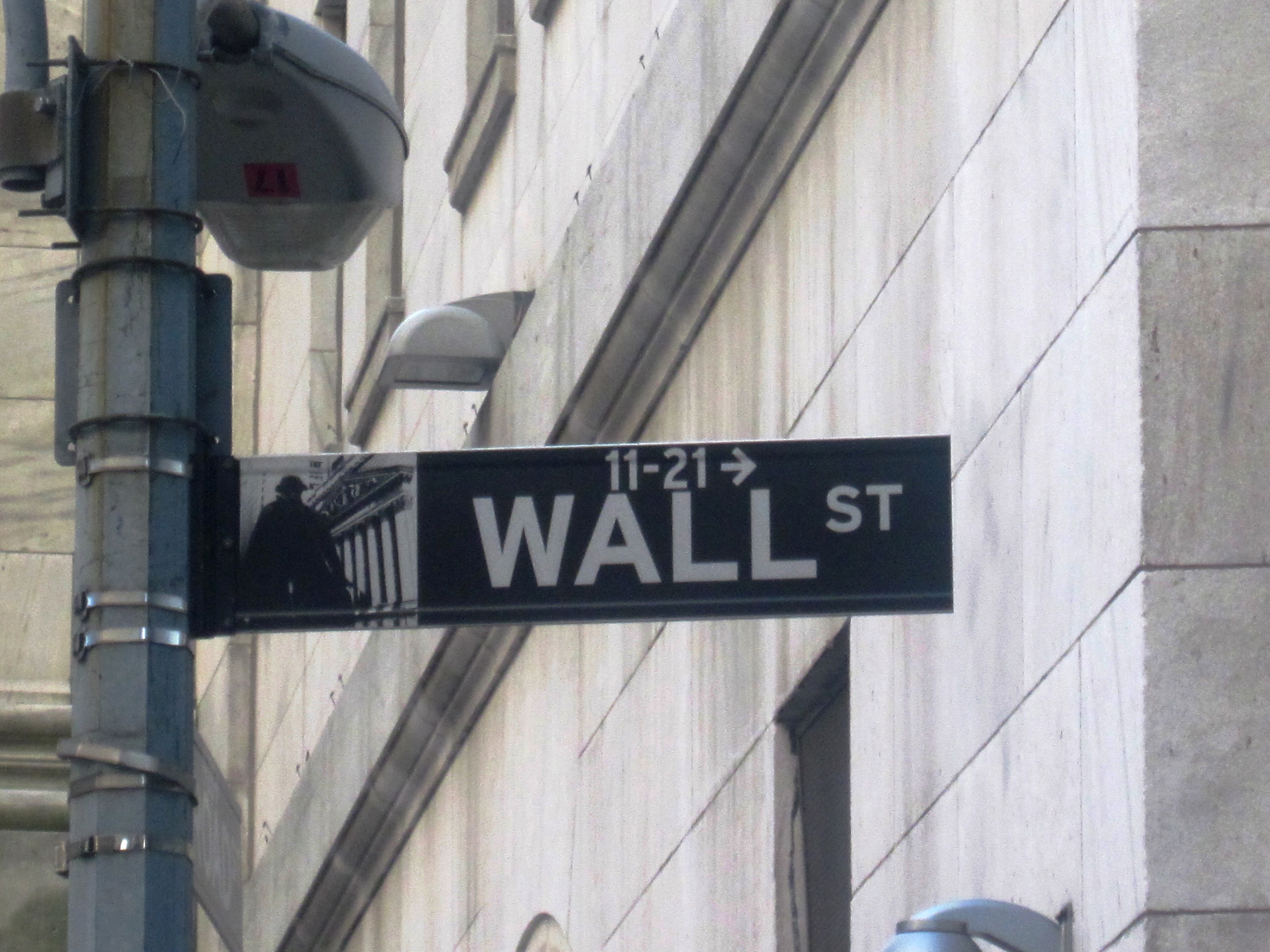
Morgan Stanley, UBS, Goldman Sachs, BNY Mellon, JPMorgan and Citigroup are accelerating the rollout of autonomous AI agents that monitor client accounts and, once approved by an advisor, execute transfers and trades on their own.
Contents
America's biggest investment banks have entered a new phase in the productivity race. Morgan Stanley, UBS, Goldman Sachs, BNY Mellon, JPMorgan Chase and Citigroup are simultaneously accelerating the rollout of AI agents that not only advise employees but are starting to independently carry out financial operations on clients' behalf, Reuters reports.
UBS describes the most far-reaching deployment. Agents gather information from emails, meetings and client accounts, then flag to the advisor, for example, that a maturing structured deposit needs reinvesting. Once the advisor approves the decision, the agent can go on to execute the transaction and transfer the funds itself, with no further human involvement at the execution stage.
A Digital Employee With a Login
BNY Mellon went a step further in the symbolism of its rollout. The bank named one of its agents Payment Pete, gave it a separate login credential, and formally placed it within its oversight structure, with a human manager responsible for its training and quality control. BNY chief executive Robin Vince describes the approach bluntly as treating the agent like an employee, just a digital one.
The digital employee has a login, can actually operate within the systems... has a human manager responsible for its training - Robin Vince, CEO of BNY Mellon
AI lets advisors spend 70 percent of their time on client conversations instead of routine tasks - Richard James, head of AI products at UBS
Scale of the Rollout
According to a June KPMG survey, more than half of banks, 51 percent, are already running AI agent pilots within their organizations. Peter Torrente, KPMG's banking sector lead, notes that firms are now analyzing entire process chains, mapping out the roles of agents and human employees from start to finish, rather than simply automating individual tasks in isolation.
Goldman Sachs has partnered with Anthropic to build agents that handle trading, transaction booking, verification and client onboarding. JPMorgan Chase points to corporate treasury as the area with the greatest potential for transformation by agentic AI, while Citigroup is preparing to roll out a virtual "team member" to manage client wealth.
Limits of Autonomy
Banks draw a clear line between administrative tasks, where agents already operate almost unsupervised, and decisions that directly affect a client's money and investment strategy, where a human remains the final link in the chain. Morgan Stanley stresses that its agents have no autonomy to make portfolio decisions, and only prepare recommendations for advisors.
Bhavi Mehta of consultancy Bain & Company notes that banks are still learning how best to harness the potential of agentic AI, testing new applications as they gain experience. The caution shown by financial institutions contrasts with the pace of adoption in other industries, where AI agents already carry out transactions independently, without a human approval step.
Impact on the Job Market
McKinsey consultants estimate that generative AI could deliver the banking sector between $200 billion and $340 billion in annual value, mainly through productivity gains. The scale of these rollouts raises questions about the future of employment in back-office and customer-service roles at financial institutions, though for now banks emphasize that agents are complementing advisors' work rather than replacing it.
For Polish readers following the financial market, what matters is the pace at which global investment banks are moving from pilots to production deployments of agents that execute real transactions with client money. It is a practice that Poland's local banks and regulators will need to assess in terms of oversight and accountability before similar solutions arrive on the Polish market.