News
Japan Pushes for AI and Chips in Third Tranche of $550 Billion US Fund
Japan and the US are negotiating a third tranche of their joint investment fund worth up to $550 billion, this time focused on artificial intelligence and semiconductors. Neither of the two tranches disbursed so far has touched those industries.
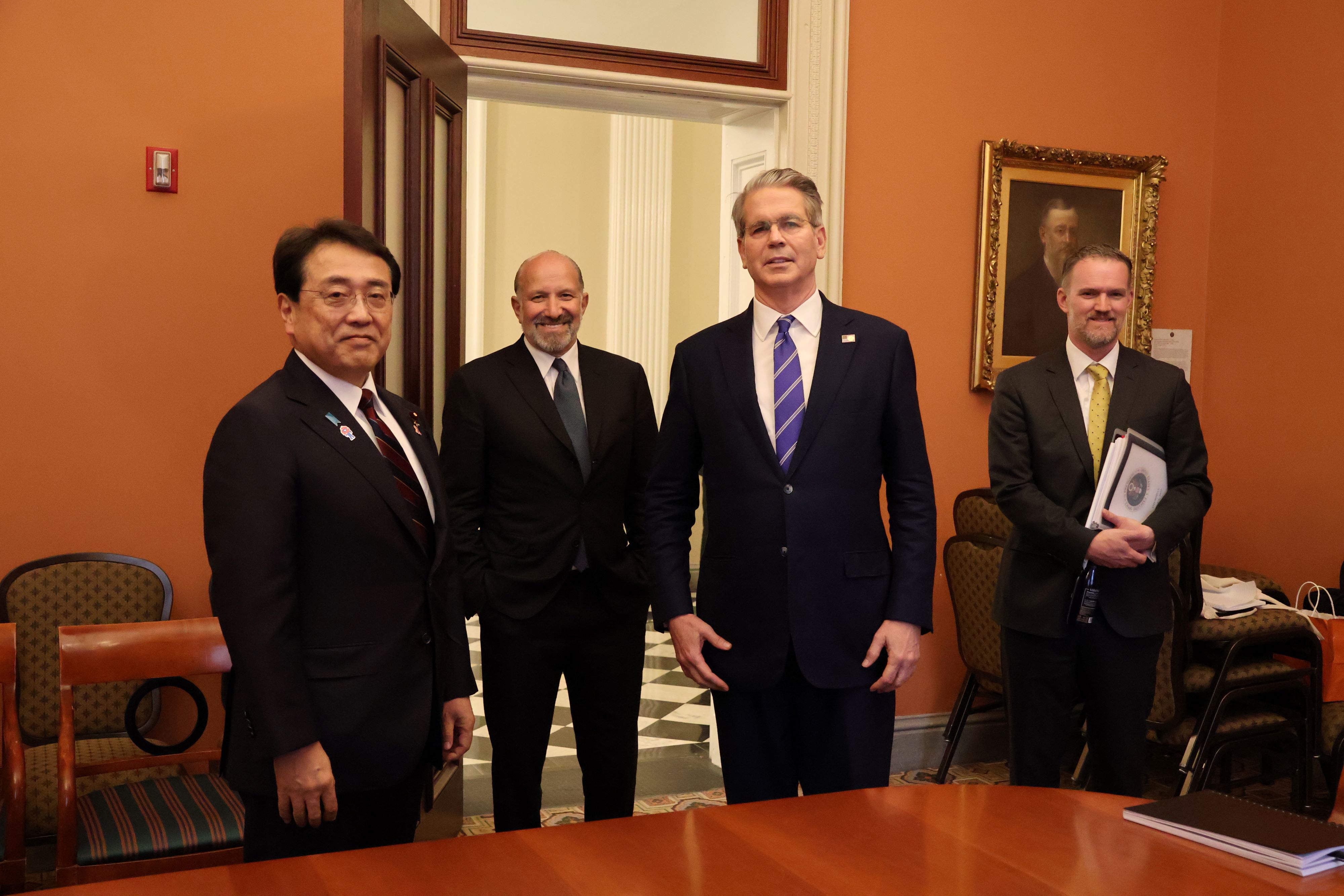
Japan and the United States have entered a new phase of talks on their joint investment fund worth up to $550 billion, with Japanese trade minister Ryosei Akazawa announcing that artificial intelligence and semiconductors will now shape where the money goes. Neither of the two tranches announced so far has gone to those industries.
The Washington meeting on Friday, September 5, 2026, marked another step in implementing the trade agreement signed between Tokyo and Washington in July 2025. In exchange for the investment commitments, the US government capped tariffs on Japanese goods at 15 percent and lowered rates on automobiles. Both sides confirmed on Friday that no additional tariffs would be imposed beyond the agreed terms.
Two Tranches, No AI
The fund's mechanism doesn't mean a one-time transfer of $550 billion from Japan to the United States. As Japan's Ministry of Economy, Trade and Industry explains, the total is made up of direct investments, loans and credit guarantees spread out over the coming years.
The first tranche of $36 billion went to oil, gas and critical mineral extraction projects in the US. The second, worth $73 billion, funded a nuclear project spanning Tennessee and Alabama along with gas-fired power plants in Pennsylvania and Texas. Together that's $109 billion of the total pool, and not a single dollar has yet gone to the AI sector or chip manufacturing.
Third Tranche and Chips
That's set to change with the third tranche, now under negotiation. Akazawa said talks on artificial intelligence and semiconductors would carry very significant weight as the two governments choose projects that bring mutual economic benefits.
AI and chips will have a very significant impact on the next stage - Ryosei Akazawa, Japan's trade minister
Japan points directly to rising semiconductor demand driven by the growth of artificial intelligence as the reason building a domestic production base, including DRAM memory, and securing stable supply chains have become priorities. It's a signal that Tokyo wants not only to fund American projects but also to strengthen its own position in the global AI technology supply chain.
Why It Matters
The $550 billion fund is one of the largest bilateral investment mechanisms tied to industrial policy around artificial intelligence, alongside similar arrangements the US has struck with other trade partners. Focusing the third tranche on AI and chips means Japanese capital could flow into American semiconductor plants, computing centers and the infrastructure needed to train AI models, competing with similar initiatives from governments in the Middle East and Europe.
For the global semiconductor market, already strained by demand from AI data centers, any new large pool of capital for building production capacity matters. The industry has been signaling supply tension in memory chips like DRAM and HBM for months, driven precisely by investment in AI infrastructure.
What Comes Next
Specific amounts and projects for the third tranche haven't been disclosed yet, as negotiations continue. Both sides confirmed, however, that the tariff terms set in the 2025 agreement remain unchanged, which should give Japanese manufacturers and investors greater certainty as they plan further commitments. Future announcements under the fund are expected to focus on AI infrastructure and semiconductor supply chains as Tokyo and Washington deepen their industrial cooperation.