News
Homemade 'Autonomous' Car in Pakistan Crashes Into Police Van During Test
A student from Abbottabad was demonstrating his self-built car, advertised as autonomous, to a journalist when it turned the wrong way and hit a parked police van in central Islamabad. Police did not press charges.
Contents
Footage from Islamabad spread across social media this week: a car with no one behind the wheel pulls away on camera, then instead of turning right, swerves left and slams into a parked police van. The vehicle was built by Ahsan Zafar Abbasi, a computer science student, and the whole incident exposed the gap between the marketing term "autonomous" and what was actually running under the hood.
What the video shows
In the passenger seat sat Pakistani journalist Muhammad Aalijah, who was there to film a segment about the young inventor and his project. The steering wheel turns on its own, the car pulls away with no one at the controls, and moments later, instead of smoothly steering around the parked police van, it slams straight into it. The whole scene lasts barely a dozen seconds, but that was enough for the clip to start circulating on X and get picked up by Indian and Pakistani media.
Autonomous or remote-controlled
The key question after the video surfaced was whether this was really an autonomous vehicle or just a souped-up remote-controlled model. According to the Express Tribune, the car was described as "internet-dependent" - meaning it was controlled over a network connection rather than by algorithms independently reading its surroundings through cameras or sensors. The journalist in the car blamed the crash on a dropped internet connection, while the builder himself pointed more to human error in operating the controls.
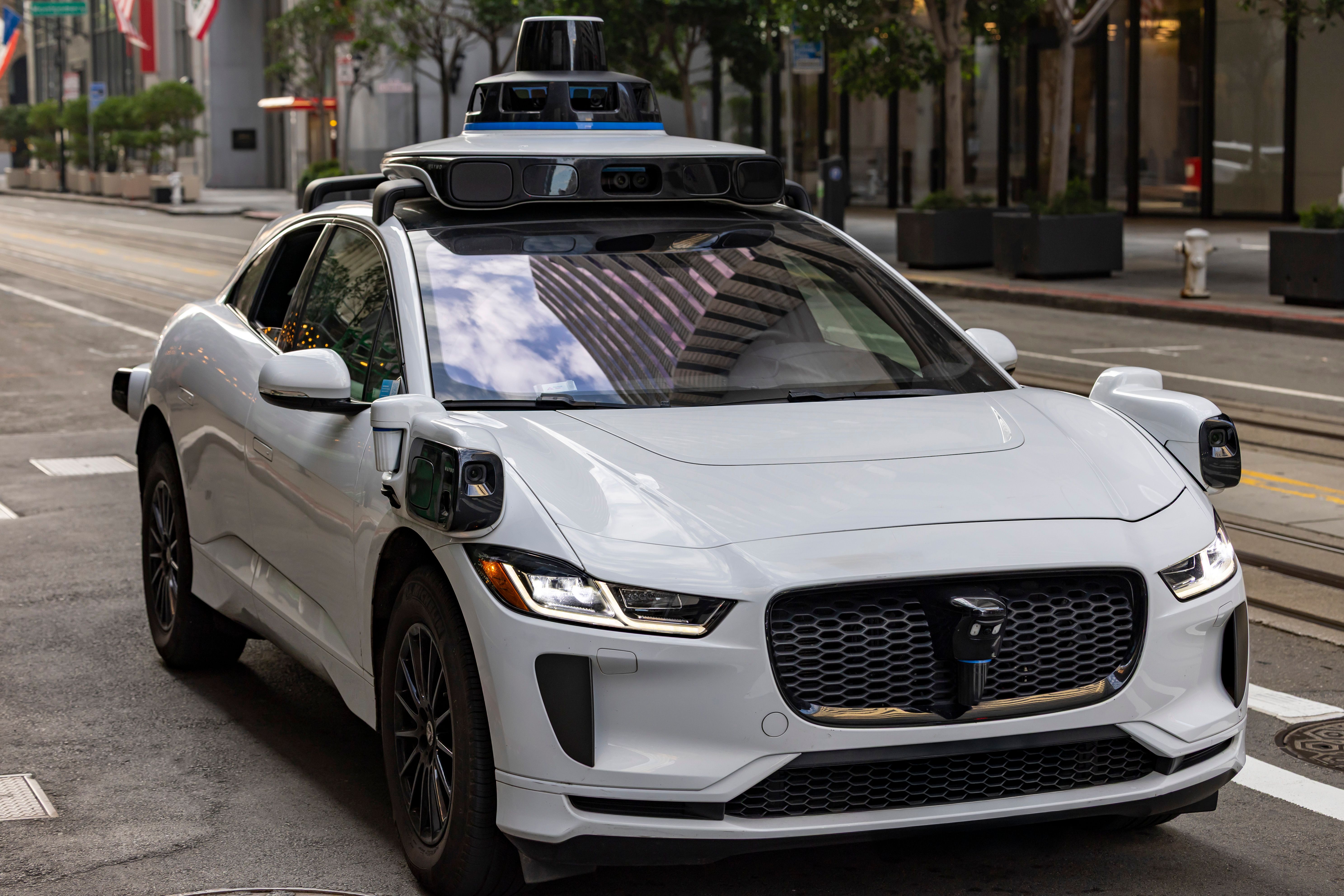
That distinction matters. A genuine autonomous vehicle, like those tested by Waymo or China's Baidu Apollo Go, decides when to turn, brake, or avoid obstacles based on lidar, radar, and camera data processed locally by an AI model. Here, the decision to turn left or right was made by a person pressing a button, the only difference being that they did it remotely rather than from behind the wheel.
Police response
Instead of opening an investigation or filing charges, Islamabad police officers chose to praise the young builder. SP City Zone officer Ayaz Hussain said outright that "this is the future of Pakistan, these are the young people of this country," stressing that authorities want to support this kind of technical project despite the mishap. Police said they found no evidence of a crime and closed the case with no consequences for the student.
They are the future of Pakistan and Islamabad encourages such youths - Ayaz Hussain, SP City Zone, Islamabad police
The mishap goes viral
The footage quickly became fodder for online jokes. Indian actor Ranvir Shorey posted the clip, calling it "Pakistan's answer to Tesla," and social media users began making memes comparing the invention to real self-driving systems developed by global automakers and tech companies. Some commenters pointed out that testing such a prototype in a public square, with a journalist inside, raises concerns regardless of whether the vehicle was fully autonomous or remote-controlled.
Why this matters beyond Pakistan
The Islamabad episode, though anecdotal, touches on a real problem in the industry: the word "autonomous" gets used loosely, even by serious companies, to describe systems that in practice depend on remote human oversight or a network connection as a critical component. With real robotaxi fleets, Waymo, Zoox, or Chinese operators, connectivity or sensor failures result in the vehicle pulling over into a safe stop mode, not a loss of steering control. The Abbottabad student's amateur prototype apparently had no such safeguard.
For readers following the development of autonomous vehicles in Poland, including tests run by the Łukasiewicz Research Network - PIMOT (Poland's state-run automotive research institute) on domestic roads, the Islamabad episode is a reminder that certification, sensor redundancy, and safety procedures aren't bureaucratic box-ticking, but exactly what separates a demonstration from a serious deployment. Without them, any internet outage or operator mistake can turn a tech demo into a collision.
Ahsan Zafar Abbasi himself hasn't lost his enthusiasm - according to reports from Pakistan, he has been working on the project since his school years, and the incident, despite its embarrassing outcome, has brought him publicity and unexpected support from local authorities. Whether this will lead to more serious funding or collaboration with COMSATS University remains to be seen.