News
Japan Deploys AI, Drones and Robot Wolves to Fight Bear Attacks
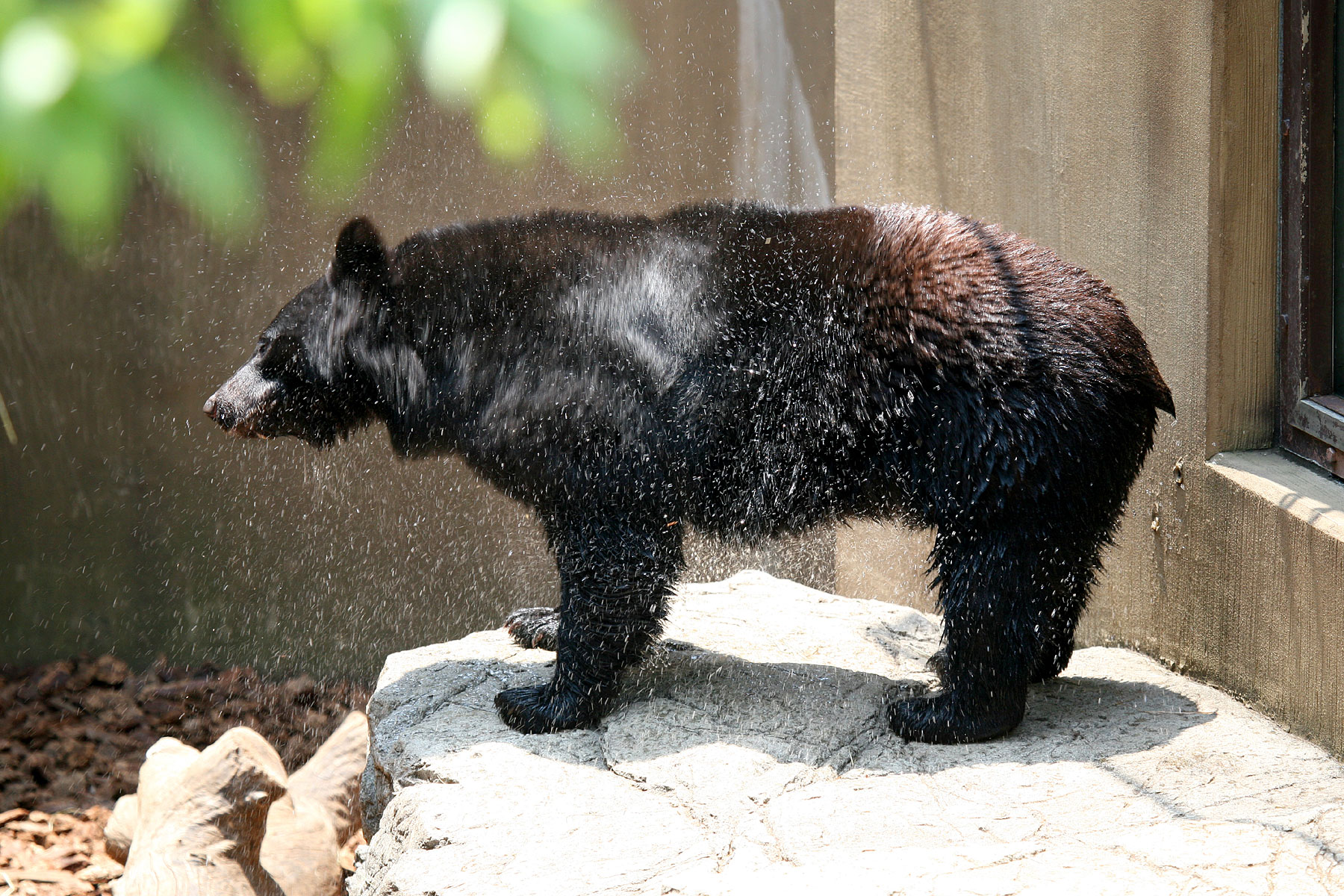
After a wave of deadly bear attacks, Japan is deploying image-recognition cameras, rapid-response drones and electric robot wolves across forests and towns to scare off the animals before tragedy strikes.
Contents
Japanese local governments and companies are turning to artificial intelligence to stop the worst wave of bear attacks in years. In regions such as Gunma, Toyama and Ishikawa, forest cameras with image-recognition algorithms have been installed that identify the animal on their own and send an alert to local authorities before a bear can enter residential areas.
Cameras That Spot the Threat
The AI camera system serves as the first line of defense. Instead of waiting for reports from residents, algorithms analyze footage from camera traps set up on the edges of forests and distinguish bears from other animals or people on their own. When the system detects a predator near buildings, it automatically notifies local authorities, cutting response time from hours to minutes.
This approach makes particular sense where forested areas border directly on residential neighborhoods, as in many mountainous prefectures of central Japan. Previously, reports of bears in urban areas reached firefighters and police with a delay, often after the animal had already passed through streets or yards.
Drones on Demand
Drones are another piece of the puzzle. One company on the island of Hokkaido has built a special port from which an unmanned aircraft takes off within ten minutes of a bear sighting being reported. The drone tracks the animal from the air until the relevant services arrive, giving them its exact location and showing which direction the predator is moving.
Electric Wolves With Red Eyes
Where cameras alone aren't enough, robots step in. Wolf Kamui makes a device called the "Monster Wolf," a shaggy, four-legged contraption with a blond mane and glowing red eyes, modeled on the now-extinct Japanese wolf. When motion sensors detect an approaching animal, the robot moves its head, flashes lights and emits one of sixty different sounds, from howls to the noise of construction machinery.
Sales doubled after there were numerous bear sightings in Japanese cities last year - Motohiro Miyasaka, managing director of Wolf Kamui
The device costs around $4,000 and is most often bought by farmers protecting crops from animals foraging in fields. Wolf Kamui plans to release a smaller, portable version of the robot later in 2026, one that will be easier to set up near homes or schools.
Where the Attacks Came From
Experts link the rise in human-bear encounters to climate change. Plants that the animals feed on in forests are ripening later than they used to, forcing hungry bears to search for food closer to human settlements, often among garbage in built-up areas. In response, the government relaxed hunting regulations, leading to the culling of more than 14,000 animals in under a year.
Criticism From Conservationists
The International Union for Conservation of Nature classifies the Asian black bear as an endangered species, which worries environmental organizations given the scale of the culling. Yuko Muroya, chair of the Japan Bear and Forest Society, warns that simply reducing the population will not solve the problem of coexistence between people and predators.
Focusing solely on reducing the number of bears won't solve the problem, unless bears disappear entirely - Yuko Muroya, chair of the Japan Bear and Forest Society
Experts acknowledge that despite the available technology, Japan still lacks a single, integrated bear-protection system. Cameras, drones and robots today function more as separate, local initiatives than a coherent nationwide early-warning network.
For readers in Poland, the Japanese case shows how cheap and accessible AI technologies, cameras costing a few hundred dollars, ready-made image-recognition platforms and mass-produced robots, can be combined into practical public-safety systems without major infrastructure investment. It's a model that could also interest Poland's mountain municipalities, where the problem of bears and wolves entering residential areas is likewise growing.