News
JD Vance Warns Some AI Uses Feel 'A Little Satanic,' Links Tech to End Times
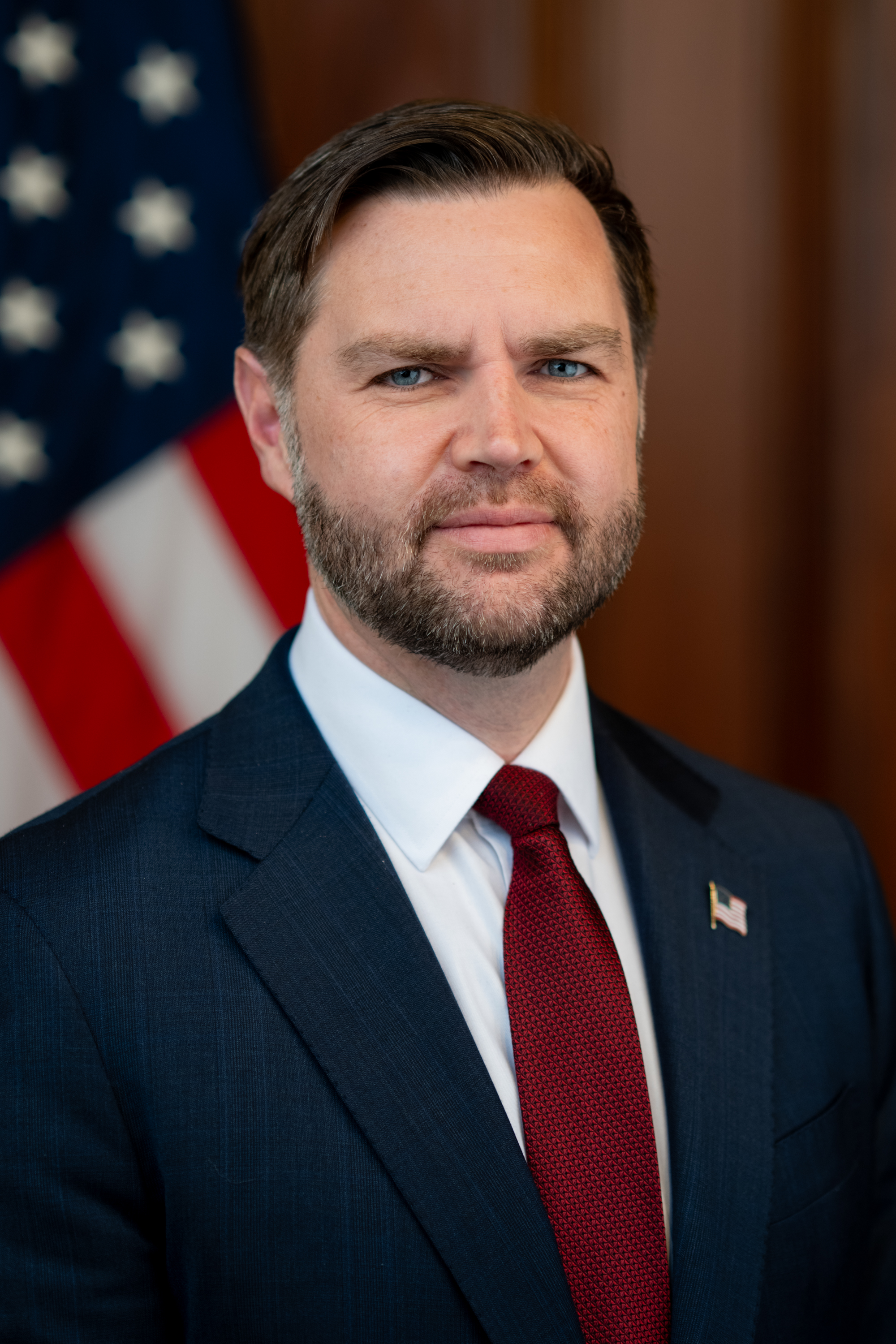
US Vice President J.D. Vance said on a Christian podcast that some uses of artificial intelligence carry a "dark and truly strange spiritual energy," linking AI's rise to the biblical end times. He also addressed an AI-generated image of Trump as Jesus.
Contents
US Vice President J.D. Vance said on a Christian podcast that he senses a "dark and truly strange spiritual energy" around some uses of artificial intelligence, calling the replacement of human relationships with machines something close to evil. The remarks came in an interview published on September 1, 2026, in which the politician linked the development of AI to the biblical vision of the end times.
The interview took place on the podcast hosted by Bryce Crawford, a Gen Z Christian influencer known for conversations blending faith, politics, and internet culture. The host and the vice president covered a range of topics, from the attempt on Trump's life to Vance's Easter visit with Pope Francis to the role of technology in everyday American life.
AI as a spiritual threat
The starting point was the story of a friend of Vance's who began using an AI chatbot as a kind of marriage counselor. Crawford remarked that this was "a little satanic," a description the vice president agreed with, adding that completely cutting a person off from the social relationships he believes God created them for is "very, very evil".
When you totally divorce a human being from the social element that God created us for, that is very, very evil - J.D. Vance, US Vice President
Vance did not stop at a single example. He spoke more broadly about the "dark and truly strange spiritual energy" he senses around some tech companies and how their products are used, including AI-based virtual romantic partners. He stressed that the problem is not the technology itself but its replacement of human relationships.
Controversy over the Trump image
In the same interview, Vance addressed the incident involving Donald Trump, who had earlier posted and then deleted an AI-generated image depicting him as Jesus Christ. Some commentators saw it as blasphemous, but the vice president defended the president.
The president wasn't trying to mock or imitate God - J.D. Vance, US Vice President
Vance explained that Trump "likes to have fun" and posts joking content to lighten the mood, and that generating an image of himself as a religious figure was, in his view, an unintended misreading rather than a deliberate provocation.
The end times and technology
The vice president linked the AI thread to a broader religious reflection, saying he believes the biblical end times will come, though he can't say whether that will happen in months or thousands of years. He noted that his fascination with this vision has stayed with him since childhood and doesn't excuse him from his obligations to family, community, and country in the here and now.
In this context, he cited the development of artificial intelligence as one of the signals prompting such reflections, alongside his concern about the state of social relationships in the digital age. He did not, however, offer a specific prediction or name AI as a direct cause of an approaching apocalypse.
Part of an image campaign
Vance's remarks coincided with the promotion of his book "Communion: Finding My Way Back to Faith," published on June 16, 2026, about his 2019 conversion to Catholicism. Commentators note that the politician's series of appearances on Christian podcasts aimed at young men fits a strategy of building name recognition ahead of a possible 2028 presidential run.
For readers following the broader debate over AI, Vance's comments show that criticism of chatbots and virtual partners replacing human relationships is no longer confined to researchers or nonprofit organizations. Similar concerns have been raised in recent months by Pope Leo XIV and Cardinal Charles Bo, albeit from different institutional standpoints than an American politician invoking his own faith.
Vance himself has not announced any specific legislative action in response to his concerns about AI, and his comments amount to personal religious reflection rather than an official administration position. Meanwhile, the US government continues to push for a policy of minimal AI regulation on the international stage, including at the G20 summit.