News
EDPB Says Smart Glasses Must Give Clear Warnings When Recording
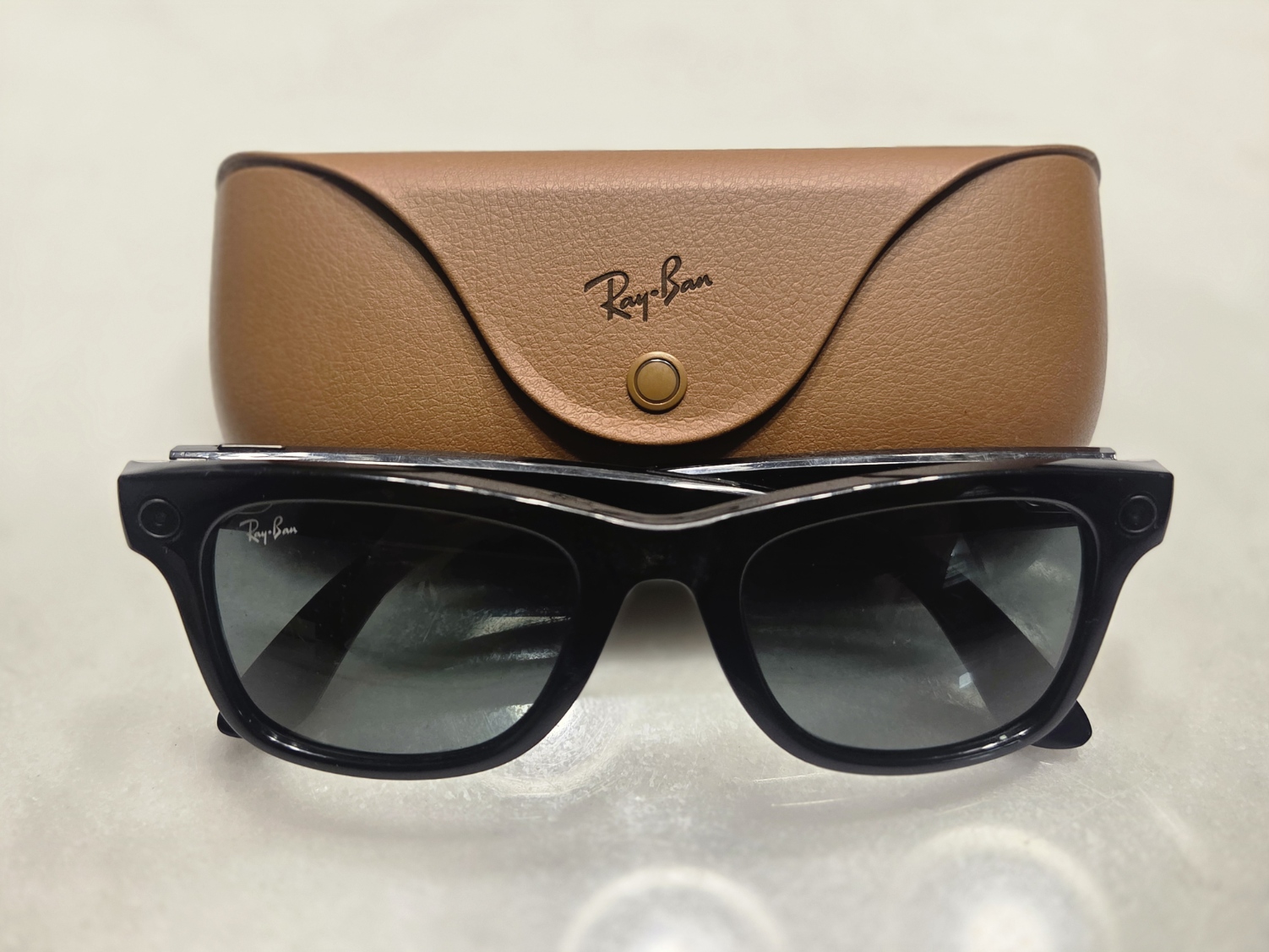
The European Data Protection Board has issued non-binding guidance saying glasses with a camera and AI assistant should signal recording in a reliable way that is hard to ignore. The move follows months of protests over covertly filmed footage of girls and women.
Contents
The European Data Protection Board (EDPB) has said smart glasses raise serious privacy concerns and called on manufacturers to clearly signal when a device is recording. The 13 October statement is not binding; the EDPB wants to raise awareness of the risks posed by wearable AI cameras.
What the statement says
According to an AFP report published by Irish broadcaster RTÉ, the glasses can take photos, record video, play music, make calls, translate text and work with an AI assistant. The EDPB points out that they look like ordinary glasses but have cameras and microphones and connect to the internet.
EDPB chair Anu Talus stresses that people can be recorded without their knowledge. As examples of signalling, she points to bright LED lights, audio signals or voice cues, privacy-friendly smartphone notifications, or a distinctive design of the device.
These devices look like ordinary glasses but they include cameras and microphones and are connected to the internet. - Anu Talus, EDPB chair
The warnings, Talus says, need to be reliable, hard to ignore and always up to date. The board also flags particular risks in sensitive places such as schools and hospitals, and in public spots such as beaches. It describes children as more vulnerable to covert or intrusive processing of their data.
Who is responsible for recordings
According to CyberDefence24's coverage, the EDPB statement says responsibility for data processing can rest with the user as well as with the device manufacturer or the AI service provider, and that how the material is used matters. The EDPB says data protection rules apply if a photo or video from the glasses ends up on a public social media account, or if the glasses are used in official or professional activities.
Consent from bystanders is hard to obtain, and anyone relying on legitimate interest would have to give everyone affected the ability to object at any time, which in many cases may be difficult. The EDPB sees the later use of collected data for advertising or AI training as especially problematic. It considers combining the glasses with face or voice recognition an additional surveillance risk.
Reactions in Europe and industry
The world's most popular smart glasses are made by Meta together with EssilorLuxottica, and millions have been sold. They have a blinking LED while recording, and Meta says it has taken several steps to prevent users from tampering with it. Google and Snap are preparing their own AI glasses.
Last week the Norwegian government said it wants a temporary ban in some public places. France's e-Enfance association, which runs the national hotline for victims of online abuse, has sounded the alarm over videos from such glasses being shared online.
The Polish perspective
Poland's data protection authority UODO (Urząd Ochrony Danych Osobowych) published its own notice on smart glasses as early as 13 August. UODO President Mirosław Wróblewski says the device user is responsible for collecting and sharing data, and that using the equipment for purposes other than personal or household ones falls under the GDPR (RODO in Poland). UODO recommends telling people nearby about recording, obtaining consent before sharing footage, and not using the glasses in toilets, doctors' offices and schools.
For companies and institutions in Poland, this raises a practical question about house rules: whether to admit employees and visitors wearing camera glasses to offices, schools and medical facilities. The EDPB guidance is not binding.