News
Nearly Half of Polish Public Officials Already Use AI at Work, Economic Forum Data Shows
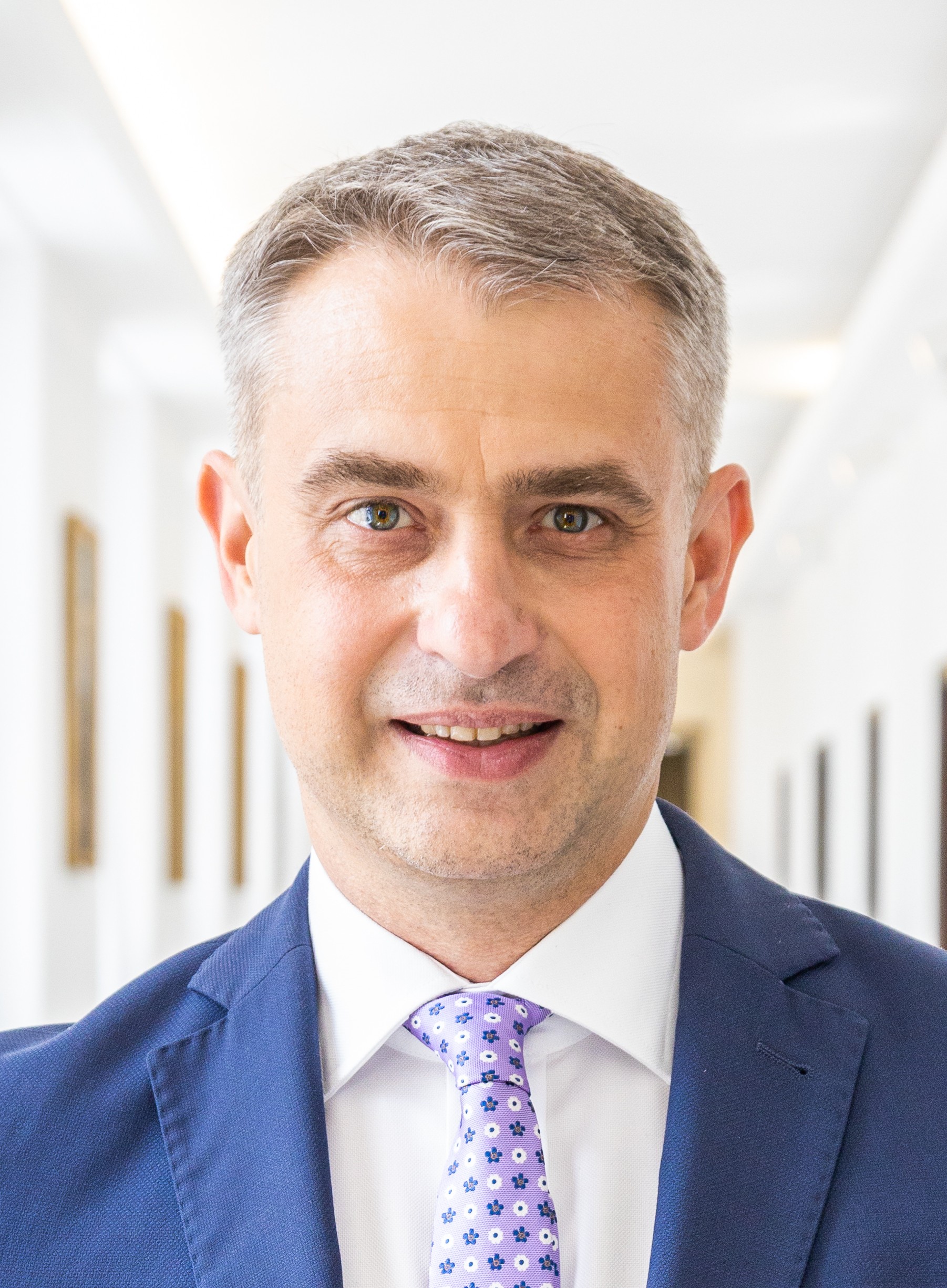
Prof. Tomasz Kajdanowicz of Wrocław University of Science and Technology presented data in Karpacz showing that 46 percent of public sector officials already report using artificial intelligence tools, despite the absence of formal rules in most offices.
Contents
Artificial intelligence has entered Polish public offices faster than the regulations meant to govern its use could be written. At the 35th Economic Forum in Karpacz, Prof. Tomasz Kajdanowicz of Wrocław University of Science and Technology presented data showing that nearly half of public sector officials already report using AI tools in their daily work.
Kajdanowicz, head of the Department of Artificial Intelligence at Wrocław University of Science and Technology, presented these figures during the panel "Local Government 2035: Can Artificial Intelligence Save the Regions from a Demographic Crisis," which he co-moderated with Dr. Jan Kocoń. The discussion also included Prof. Piotr Młynarz, WUST's vice-rector for organization and infrastructure.
What the numbers show
According to the presented data, 46 percent of public sector officials admit to using artificial intelligence tools. More than 70 percent of them rate AI as a genuine help in their daily duties, from drafting documents to looking up information. At the same time, as many as 91 percent of surveyed officials oppose the idea of algorithms taking over administrative decision-making entirely.
That gap, widespread informal use of AI alongside resistance to handing it real decision-making power, matches earlier findings from NASK's (Poland's national research institute for cybersecurity and digital infrastructure) May 2026 report "AI in Public E-Government." It found that 77 percent of officials come into contact with artificial intelligence at least once a day, 59 percent use it to look up facts, and 46 percent use it to draft documents with administrative, legal, or organizational consequences.
Offices without rules
The lack of formal regulation remains a problem. A survey by Sieć Obywatelska Watchdog Polska (a Polish civic watchdog network), conducted in the summer of 2025 on a sample of more than 5,400 public institutions, found that only 20 of more than 2,000 surveyed municipalities have written rules for using AI. In ordinary municipalities, those without county-level city rights, the share drops below 1 percent, even though the technology itself is already in widespread, informal use.
Anita Noskowska-Piątkowska, head of Poland's civil service, issued guidelines on the matter stressing that artificial intelligence is purely auxiliary and cannot relieve humans of responsibility. Officials who uncritically rely on algorithmic suggestions face consequences, including disciplinary liability, if that leads to an error in a document with legal effect.
The demographic argument
Kajdanowicz linked the digitization of public administration to demographic forecasts. He cited estimates from Statistics Poland (GUS) suggesting the country's population could fall to 28 million by 2050. In his view, shrinking local government workforces are an additional argument for quickly developing safe, regulated ways to use AI in administration, rather than leaving officials to rely on tools nobody has formally approved.
At a separate panel, "Cities in the Age of AI: How to Manage Change," where Kajdanowicz appeared alongside representatives of the Ministry of Digital Affairs and the authorities of Sopot and Rzeszów, comparative economic data was also presented. According to Eurostat, AI adoption among Polish companies reaches just 8-9 percent, compared with a European average above 20 percent.
What this means for public offices
For Polish public institutions, the picture emerging from this data is consistent with earlier reports: the technology is outpacing regulation by months, sometimes years. Officials are turning to chatbots and text generators because they speed up work, but they do so without clear guidelines on liability for errors, personal data protection, or any obligation to inform citizens that AI was involved in handling their case.
Kajdanowicz and other experts from Wrocław University of Science and Technology argue that the answer should be a closer partnership between research institutions and local governments, built on the shared acknowledgment that neither side yet fully understands artificial intelligence. Without such cooperation, he noted during the panel, technology developed at Polish universities risks going unused, even though the scientific readiness to build it already exists.