News
Norway Banned Generative AI in Elementary Schools Before New York
Norway's ban on generative AI use by students in grades 1-7 has been in effect since late August 2026, months ahead of a similar decision in New York. Oslo's government cites falling PISA test scores and the risk that children will skip over learning to read, write, and do basic math.
Contents
Norway became one of the first countries in the world to impose a hard ban on generative artificial intelligence for its youngest students. The rules took effect at the start of the school year in late August 2026, several months before New York announced similar restrictions. A Euronews article published on September 3, 2026 notes that it was this Scandinavian country that set the direction now being debated across the rest of the world.
The Norwegian government's decision followed months of analysis of educational outcomes. The Ministry of Education cited data from the PISA and PIRLS tests, which showed a systematic decline in reading and math skills among Norwegian fifteen-year-olds. Behind the decision also lay concern about a phenomenon known as cognitive offloading, in which cognitive effort is shifted onto a tool instead of being developed independently.
Three age groups, three rules
Norway's regulations are not a blanket ban for all students, but a system graduated by age. Children in grades 1-7, ages 6 to 13, are essentially barred from using generative AI in class at all. Teenagers aged 14-16 may use such tools, but only under direct teacher supervision. Only upper-secondary students aged 17-19 are to be systematically taught how to use AI responsibly, so they are prepared for further education and working life.
The government also announced increased funding for paper textbooks at the expense of tablets and computers in younger grades. The move is meant to echo an earlier ban on smartphones in Norwegian schools introduced in 2024, which according to government data reduced the scale of peer violence, improved grades, and cut the number of student visits to school psychologists, particularly among girls.
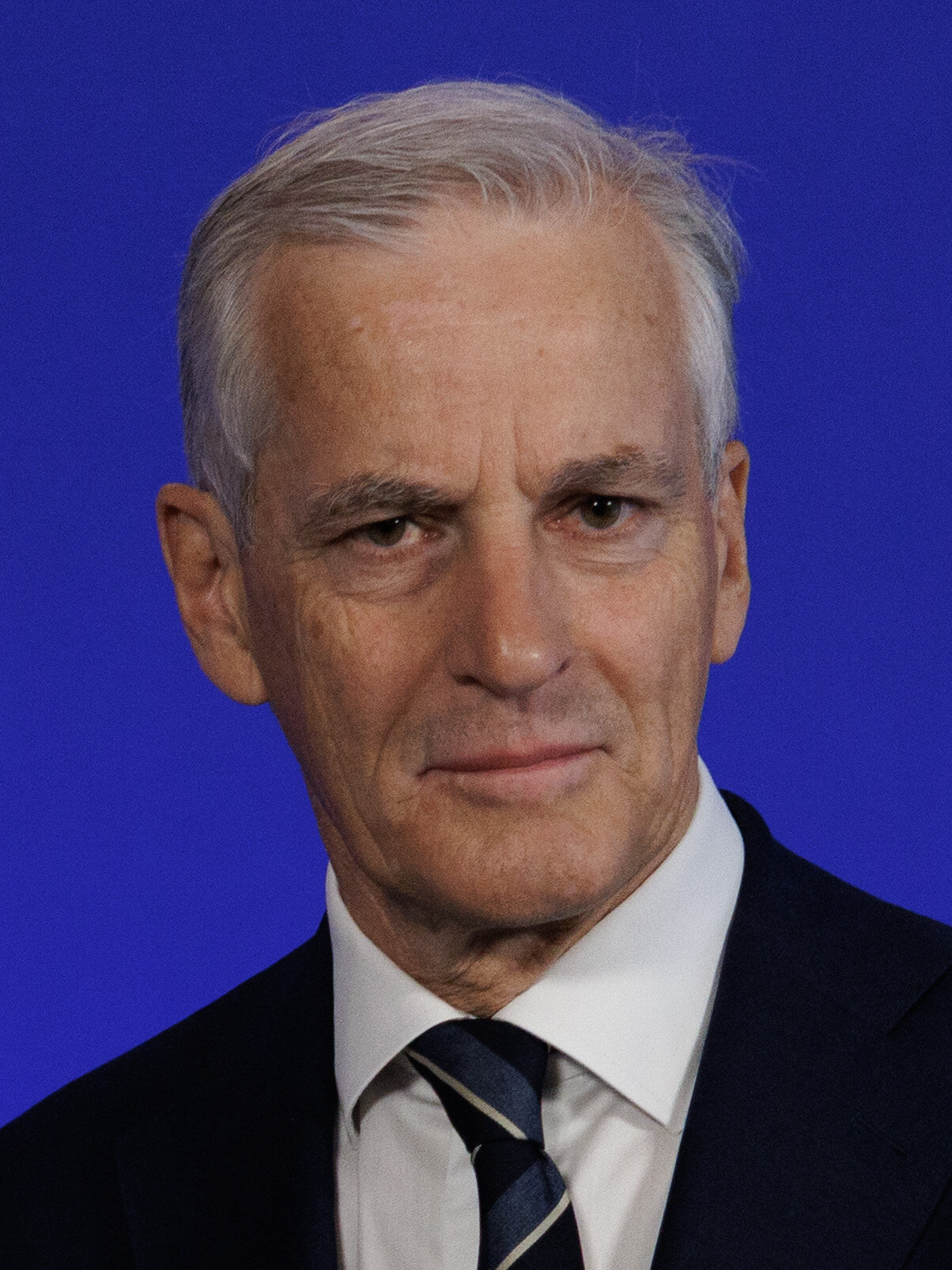
Artificial intelligence lets children skip crucial stages of education - Jonas Gahr Støre, Prime Minister of Norway
The reason: falling test scores
Oslo's argument rests primarily on numbers. Norwegian fifteen-year-olds' math results in the 2022 PISA cycle were the lowest in the country's history of participating in the study, with a 33-point drop between 2018 and 2022. Reading scores fell over the same period from about 499 to about 477 points, also among the weakest results Norway has recorded in the study's modern history.
Prime Minister Jonas Gahr Støre stressed at a press conference that schools should first teach children to read, write, and do math before they even reach for artificial intelligence tools. In this framing, AI is not treated as a threat in itself, but as a technology that only makes sense once a student already has solid cognitive foundations.
Norway versus New York
The comparison with New York on which the Euronews article is based shows a difference in approach and pace. The American city introduced its own one-year moratorium on generative AI aimed at students in grades 2-8, covering roughly 600,000 children, several months after Norway's rules took effect. New York's restrictions apply mainly to tools directly accessible to students, rather than systems used by teachers themselves.
AI policy leaves many questions unanswered - Michael Mulgrew, president of New York's teachers' union
Other European countries have taken similar, though milder, steps. Italy has required parental consent for AI tool use by children under 14 since October 2025. The EU's AI Act classifies education as a high-risk area, but does not directly cover chatbots used by students to do homework, leaving individual member states considerable latitude to regulate the issue on their own.
What comes next
For Polish readers, the Norwegian example matters because it shows that a hard ban on AI in early education is no longer a theoretical idea, it is already functioning law in a country with highly digitized schools. In Poland, the Ministry of National Education (Ministerstwo Edukacji Narodowej) has so far only announced that it will factor artificial intelligence into education policy, without concrete age-based restrictions similar to Norway's.
The next test for this model will be Norwegian students' results in the next PISA cycle, scheduled for 2025 with results published in 2026, and whether other European countries decide to introduce comparable, age-graduated restrictions instead of leaving the decision to individual schools and teachers.