News
Nvidia Weighs Investment in Perplexity at Over $30 Billion Valuation
Nvidia is in talks to take a stake in Perplexity AI at a valuation exceeding $30 billion, more than 50 percent higher than a year ago. The startup's revenue is also surging on the back of its Perplexity Computer agent.
Contents
Nvidia is negotiating a stake in a new funding round for Perplexity AI that would value the AI-powered search and agent startup at more than $30 billion. The news was first reported by The Information, citing people familiar with the matter, and was later confirmed by Reuters and several other outlets.
Another valuation jump
If the deal goes through, it would mark Perplexity's second funding round in under a year. In September 2025, the company raised $200 million at a $20 billion valuation. The new round would represent an increase of more than half, though sources cited by The Information have not yet specified the exact size of Nvidia's investment or the final roster of investors.
Perplexity's existing backers reportedly include Jeff Bezos and Japan's SoftBank Group. Neither Nvidia nor Perplexity has officially commented on the reports, which is typical at this stage of funding talks, when terms can still change.
Where the revenue growth comes from
The key argument for the higher valuation is the pace of revenue growth. Perplexity's annualized revenue climbed from under $250 million in early 2026 to more than $750 million, more than tripling within a few months.
The company attributes the jump primarily to the growth of Perplexity Computer, a cloud-based agent platform described as an autonomous digital coworker. The tool takes complex, multi-step instructions in natural language and carries out tasks on the user's computer on its own, rather than simply answering questions like a traditional AI-powered search engine.
Ties with Nvidia
Nvidia has backed Perplexity financially since 2023, and in recent months has also considered a multibillion-dollar licensing deal that would let it use Perplexity's search and data-processing technology in developing its own models and software. In July 2026, Perplexity in turn pledged to run its AI agent workloads on Nvidia's Vera chips, after the processors reportedly significantly outperformed traditional server CPUs on the company's key tasks.
Nvidia CEO Jensen Huang has repeatedly said Perplexity is his default chatbot. The investment also fits into Nvidia's broader strategy of funding and licensing companies that build their products on its infrastructure, effectively acting as a kind of central bank for young AI companies. A similar pattern was seen earlier in Nvidia's roughly $6 billion licensing deal with Poolside AI and in its acquisition of Groq's technology.
IPO prospects
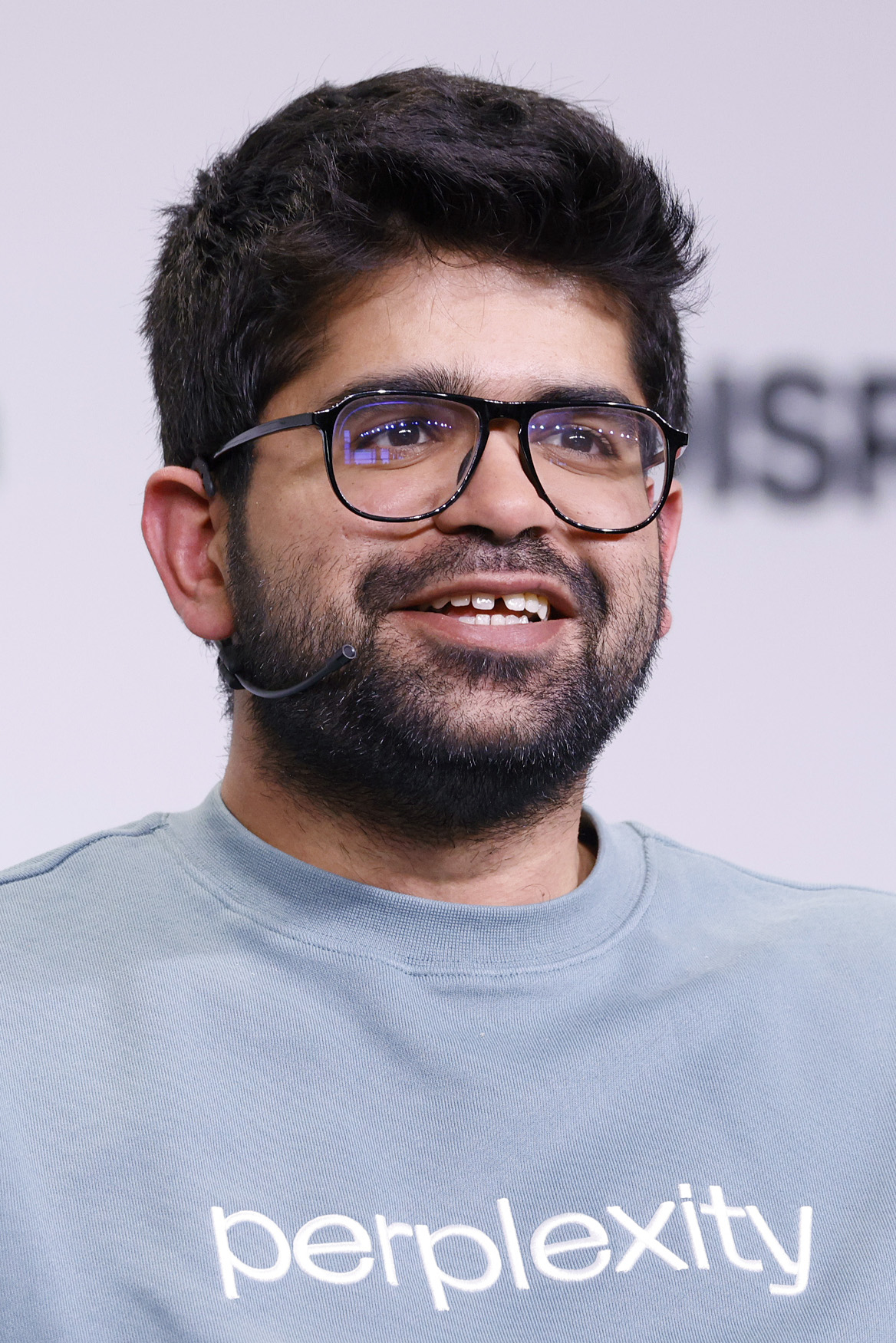
The higher valuation brings Perplexity closer to a goal its leadership has stated for months: an initial public offering. CEO Aravind Srinivas said in a June interview with CNBC that the company plans to go public in 2028 regardless of how the market receives earlier listings from Anthropic and OpenAI, should those companies decide to take that step.
Perplexity plans to go public in 2028 regardless of how Anthropic's and OpenAI's listings play out - Aravind Srinivas, CEO of Perplexity
The company's head of business development added that sticking with 2028 as the earliest possible IPO date gave the team time to build a healthy, fast-growing business rather than pushing for a debut while financial results were still immature.
What it means for the market
For readers tracking the AI market, this deal shows how quickly valuations are rising for companies building AI agents rather than classic chatbots, and how major chip suppliers like Nvidia are increasingly becoming infrastructure provider, investor and licensing partner to the same company all at once. That arrangement ties the chipmaker's revenue directly to the success of the customers using its hardware, which is also raising questions among analysts about cross-linked capital dependencies across the industry.
The final terms of the round, including the exact amount Nvidia and other investors would contribute, have not yet been publicly confirmed by either side. The talks could still change or fall through, as often happens at an early stage of private tech company funding negotiations.