News
Olsztyn Half-Marathon Medal Riddled With AI Errors, City Demands Fix
The medal for the PKO Olsztyn Half-Marathon is full of errors in its depiction of the city's landmarks, with users pointing to signs of generative AI. The city has demanded corrections from the organizer, while nearby Elbląg let residents submit their own designs after a similar mural controversy.
The medal prepared for the first edition of the PKO Olsztyn Half-Marathon triggered a wave of online criticism after it emerged that the city landmarks depicted on it bear little resemblance to reality. Users quickly pointed out that the pile-up of errors looked like the result of generative AI work with no verification at all.
Landmarks unrecognizable
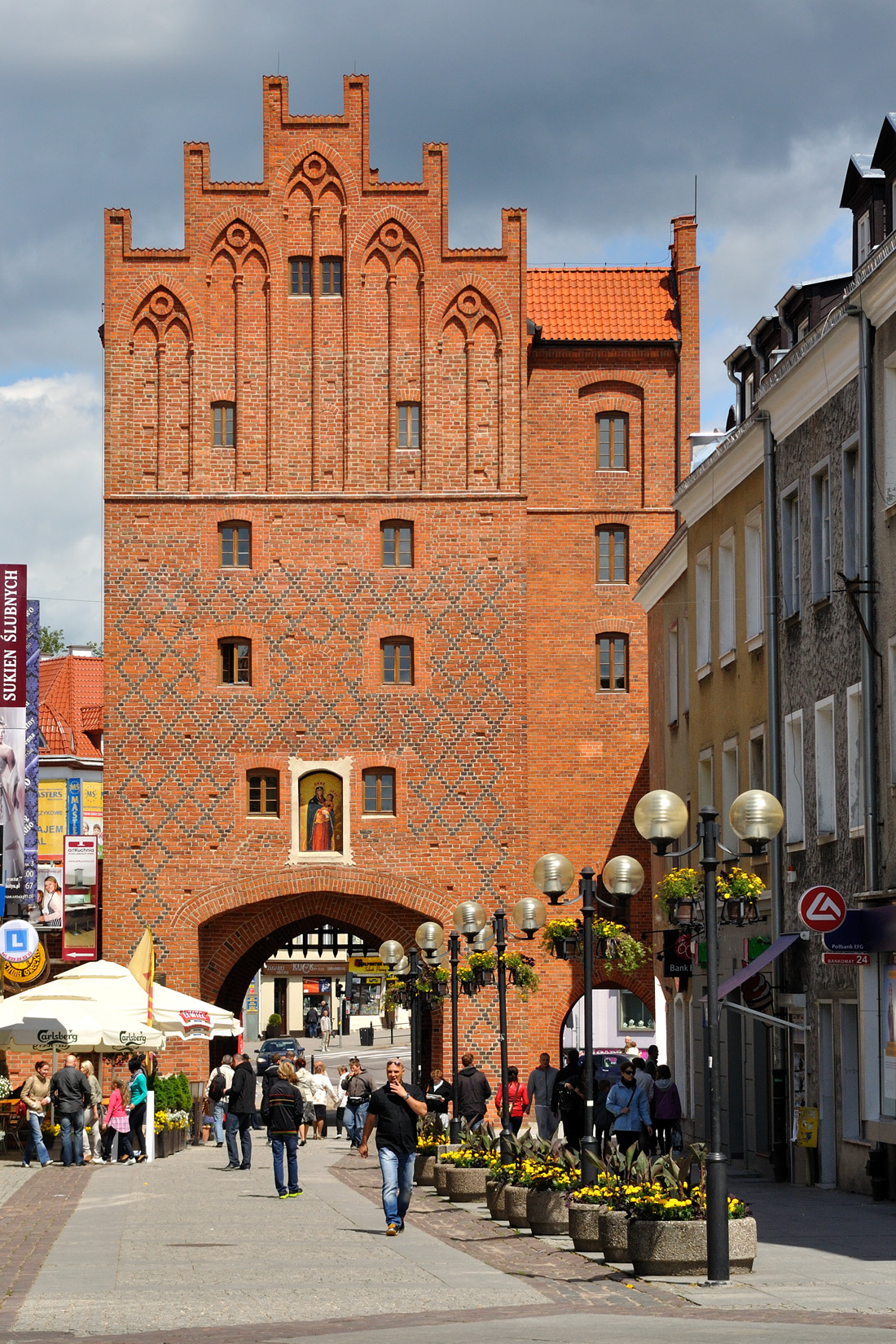
Besides merging the planetarium and observatory into one building, the medal also misrepresents the Warmian Chapter Castle (Zamek Kapituły Warmińskiej), the Old Town Hall, and the High Gate (Wysoka Brama), a 14th-century city gate that is one of Olsztyn's symbols. Urania Hall, where the race starts and finishes, is barely recognizable in the artwork.
For residents and running fans, this isn't a cosmetic slip. The medal is meant to commemorate the first edition of the event, which replaces the earlier Ukiel Half-Marathon and follows a new route through the city center. Instead of promoting Olsztyn, the artwork became a target of jokes on Wykop (a Polish social news site) and in local media.
City hall responds
After the wave of comments, the city confirmed it had contacted the race organizer and provided a detailed list of errors to fix. The organizer pledged to correct the design before the event, though no revised version of the medal has been shown yet, and it hasn't been directly clarified whether the artwork was actually created using AI.
The medal controversy is already the second case in recent weeks in the Warmia-Mazury region where official city artwork has raised suspicions of sloppy AI use. A similar problem previously hit neighboring Elbląg, which was preparing a mural to mark the 780th anniversary of the city's founding charter.
Elbląg changes the rules
In Elbląg, the city hall presented residents with two mural proposals to choose from in a vote, but users deemed the visuals AI-generated and unpolished. After the backlash, the city halted the vote and changed the contest format. Residents can now submit their own mural designs directly instead of choosing from ready-made proposals, with the submission deadline set for September 14 at 9 a.m.
Following comments and suggestions from residents, a decision was made to change the format - Jacek Żukowski
Sometimes it's glaringly obvious just how inaccurate artificial intelligence can be - Wojciech Jermakow, editor-in-chief of Radio Olsztyn
Both cases show the same pattern: public offices and event organizers are turning to quick, cheap generative graphics but skipping verification by local experts or residents who actually know the city. Errors in depicting specific, recognizable buildings are hard to miss for anyone who has ever walked through the old town.
The reputational cost
For smaller cities counting on local sporting and cultural events for promotion, blunders like these carry real reputational risk. A race medal or a city mural reaches thousands of people and is meant to last for years, so an error caught only after publication is hard to fix without drawing attention.
The case fits a broader trend observed in Poland: public institutions and companies are increasingly turning to generative AI for promotional materials but don't always build quality-control procedures suited to the new tool. The result is artwork that has to be pulled or corrected after public presentation, as in Elbląg, or fixed right before the event itself, as in Olsztyn.
Less than a month remains before the corrected version of the PKO Olsztyn Half-Marathon medal is due to debut. The race organizer has not yet said who was responsible for the original design or whether the revised version drops AI tools altogether or simply corrects the flagged errors.