News
Over 200 Nobel Laureates Sign Rome Declaration Against Autonomous AI-Controlled Nuclear Weapons
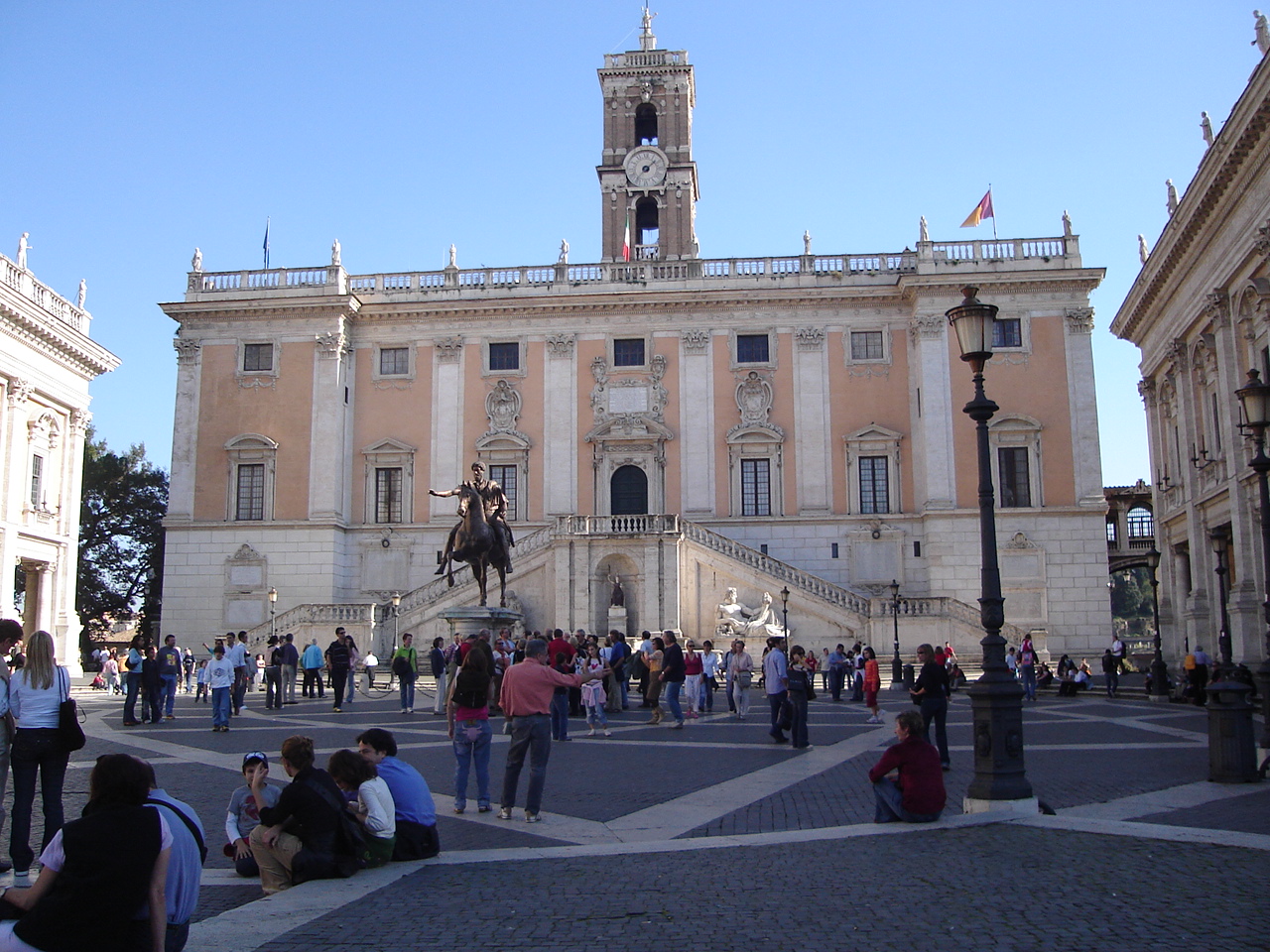
A three-day gathering of Nobel laureates concluded in Rome with the signing of a declaration calling for slowing the development of the most powerful AI models and banning autonomous nuclear weapons use by algorithms.
In the Palazzo Senatorio on Rome's Capitoline Hill, more than two hundred scientists, Nobel Prize laureates, and representatives of research institutions signed the Rome Declaration on July 16, 2026, a document calling on governments and corporations to slow the development of the most powerful artificial intelligence models and to exclude AI from nuclear weapons command systems.
The gathering was organized by 83-year-old retired cardiologist Dr. James Muller, who has long been involved in initiatives linking the scientific community with disarmament diplomacy. Over three days in the Vatican gardens of Castel Gandolfo, participants discussed how artificial intelligence systems are changing the risk of escalation in armed conflicts, including nuclear ones.
What the declaration says
The document, titled a declaration for "an unarmed and disarming peace in the age of artificial intelligence, nuclear weapons and autonomous weapons," calls for a coordinated slowdown in the development of the most advanced AI models and for governments and corporations to begin urgent negotiations leading to the verifiable and irreversible elimination of nuclear weapons.
The signatories also demand a ban on artificial intelligence systems autonomously approving or initiating the use of nuclear weapons, strengthened direct communication between nuclear-armed states, and mechanisms to prevent computational errors and unintended escalation resulting from automated decision-making.
We must disarm the next arms race, in AI as well as nuclear weapons, before both come to define the next century - from the Rome Declaration
The Vatican's voice
Speaking at the ceremony on the Capitoline Hill, Cardinal Baldassare Reina, vicar general of the Diocese of Rome, warned that humanity's fate must not be entrusted to algorithms. He stressed that decisions concerning life and death, peace and war, and the future of nations must remain under full, responsible and genuine human control.
No machine, no algorithm and no autonomous system can be placed at the center of decisions on which humanity's survival depends - Cardinal Baldassare Reina, vicar general of the Diocese of Rome
The declaration explicitly invokes Pope Leo XIV's encyclical "Magnifica Humanitas," which draws on values shared across religious traditions in the pursuit of peace. In June 2026, the Vatican established a separate Interdicasterial Commission for Artificial Intelligence and called on the UN to introduce a moratorium on autonomous lethal weapons systems.
Who signed the document
Signatories included Nobel laureate physicist David Gross of UC Santa Barbara, Rome's mayor Roberto Gualtieri, and actress Sharon Stone. Organizers did not disclose whether representatives of leading tech companies, who had earlier taken part in discussions at Castel Gandolfo, signed the document.
The scale of the gathering and the media attention it drew show that the question of human control over AI-assisted military systems has moved beyond think-tank reports and into mainstream public debate, alongside scientific conferences and UN documents.
Why it matters
The declaration carries no legal force, but it aims to put political pressure on the governments of nuclear states and on companies developing the most powerful AI models, at a moment when the Global Responsible AI Index reveals a gap between declarations and practice: 126 of the 135 countries surveyed have made formal commitments to responsible AI, yet the average implementation score is just 35 out of 100.
For Poland, a NATO member bordering Russia and Belarus, the question of automating decisions in command systems is not abstract. The declaration's demands, such as strengthening direct communication channels between parties to a conflict and limiting the role of algorithms in escalation, feed into an ongoing European debate about the limits of autonomy in AI-assisted military systems.