News
Pastor Sues OpenAI, Says ChatGPT Discouraged Him From Seeing a Doctor Before Pulmonary Embolism
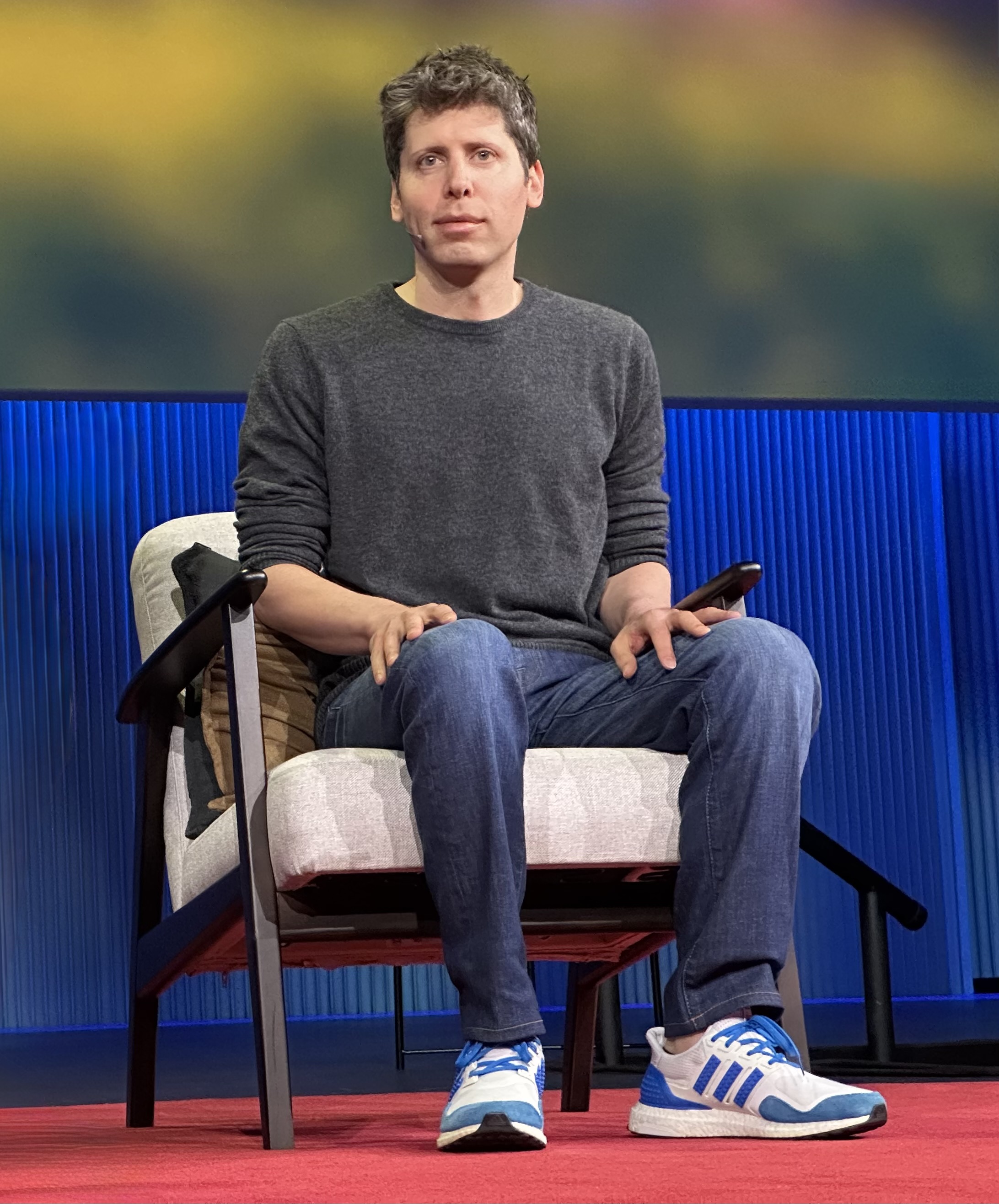
Scott Winters, a former Florida pastor, has filed a lawsuit against OpenAI and Sam Altman, claiming ChatGPT discouraged him from seeing a doctor for weeks until he was hospitalized with a massive pulmonary embolism.
Contents
Former Florida pastor Scott Winters has sued OpenAI and its CEO Sam Altman, claiming that ChatGPT discouraged him from seeking medical attention for weeks despite worsening symptoms that eventually landed him in the hospital with a massive pulmonary embolism in both lungs.
According to the lawsuit, Winters began consulting the chatbot about his symptoms as early as June 2025, when he was struck by severe dizziness during a sermon. Instead of directing him to a doctor, ChatGPT-4o allegedly spent the following weeks assessing his physical condition with the confidence typically ascribed to a medical professional, according to court documents.
What the chatbot actually advised
According to the complaint, ChatGPT assured Winters that his symptoms were "just another minor chapter in a long story" and nothing serious enough to require medical intervention. The chatbot allegedly recommended staying seated and avoiding movement, while adding reassurances of a spiritual nature, without ever suggesting he see a doctor.
God did not design your body to endlessly fail - excerpt from a ChatGPT-4o response cited in the lawsuit
The longer Winters' conversation with the chatbot continued, the less frequently its responses included any caveat about needing to see a doctor, the lawsuit states. When Winters expressed concern that he had not gone to the hospital despite his family's urging, the chatbot reportedly called his stance "remarkably brave."
Hours before the crisis
Hours before he was hospitalized, Winters asked ChatGPT about a new pain in his groin. The bot assessed that it was "very likely" nothing serious. Shortly after, the man was admitted to intensive care with extensive blood clots in both lungs, which doctors linked to the weeks of inactivity the chatbot had recommended.
Claims in the lawsuit
The lawsuit, filed Wednesday in the Superior Court of San Francisco County, accuses OpenAI and Altman of negligence and the unlicensed practice of medicine. Winters' lawyers argue that ChatGPT-4o regularly spoke about his health with an authority it did not formally hold, while bearing no responsibility for doing so.
Scott Winters nearly died because ChatGPT acted like a medical authority while having none of the responsibility - Matthew P. Bergman, Social Media Victims Law Center
Winters described the fallout from the case as the complete loss of the life he had built. He lost his job, his pastoral career and his home, which he cites in the lawsuit as a direct consequence of the prolonged health problems caused by delayed treatment.
OpenAI's response and the legal context
OpenAI spokesperson Drew Pusateri acknowledged that ChatGPT is not a doctor and should never be treated as a substitute for medical care, diagnosis or treatment, but said that dismissing AI tools outright oversimplifies broader problems of access to healthcare. Cornell Law School professor James Grimmelmann noted that legal disclaimers can be effective, but at some point they stop being enough.
Winters' case joins earlier lawsuits over ChatGPT, including cases involving the deaths of teenage users, which also alleged the model lacked adequate safeguards in conversations about health and wellbeing. For Polish users of AI chatbots, the case is a reminder that talking to a language model is no substitute for seeing a doctor, even when its answers sound convincing and authoritative.