News
Poland's Sejm Changes Rules to Finally Elect AI Regulator Chief
Poland's Sejm will amend its rules of procedure to allow the election of a chairperson for the Commission for the Development and Security of Artificial Intelligence. The vote could take place as early as the September 15-18 sitting, more than a month after the AI law took effect.
Contents
More than a month after Poland's law on artificial intelligence systems took effect, there is still no body in place to enforce it. Sejm Speaker Włodzimierz Czarzasty announced that at the chamber's upcoming sitting, lawmakers will amend the Sejm's rules of procedure, opening the way to electing a chairperson for the Commission for the Development and Security of Artificial Intelligence (KRiBSI). The vote could take place as early as the session scheduled for September 15-18.
Rules change comes first
Without a change to the Sejm's rules of procedure, electing the head of the new commission would not have been possible at all - the chamber's existing regulations did not previously provide for a procedure to appoint a chairperson for this type of body. Czarzasty announced that the amendment will go before the chamber at its upcoming sitting, and the vote on the candidate itself could follow just a few days later, between September 15 and 18.
That means several months will likely pass between the law's signing and the actual launch of oversight. The law on artificial intelligence systems took effect on August 11, but under its provisions the Ministry of Digital Affairs had two months to set up a unit to service the commission, and filling the remaining posts beyond the chair is a separate, later stage.
What the commission will do
The Commission for the Development and Security of Artificial Intelligence is meant to serve as Poland's national market surveillance authority for AI systems and as the point of contact with EU institutions. Its tasks will include conducting administrative proceedings and inspections, issuing decisions, and imposing sanctions for violations of the EU AI Act, as well as coordinating oversight of AI systems operating on the Polish market.
Beyond its enforcement role, the commission is also meant to support market development - it will run free regulatory sandboxes where companies can test new AI solutions without risking immediate sanctions, and it will handle education and issue opinions for businesses seeking assurance that their systems comply with the law.
Fines reaching millions of euros
The stakes are high. For the most serious AI Act violations, companies face fines of up to 35 million euros or up to 7 percent of annual global turnover, whichever is higher. Penalty levels are meant to be graduated - the law provides for more lenient treatment of smaller entities - but only a functioning commission will be able to actually enforce these rules, carry out inspections, and issue binding decisions.
Until a chairperson is elected and the commission starts operating at full strength, oversight of Poland's AI market remains largely theoretical. Companies are formally already subject to the AI Act and the national law, but there is no body capable of conducting proceedings and imposing penalties.
Where will the experts come from
Lawyers commenting on the commission's creation have noted for months that the biggest challenge will not be electing a chairperson so much as assembling a team of specialists capable of assessing the technical aspects of AI systems. The skills needed to conduct such proceedings - from machine learning through cybersecurity to personal data protection - are scarce in the labor market, and the commission will have to compete for them against a private sector offering higher salaries.
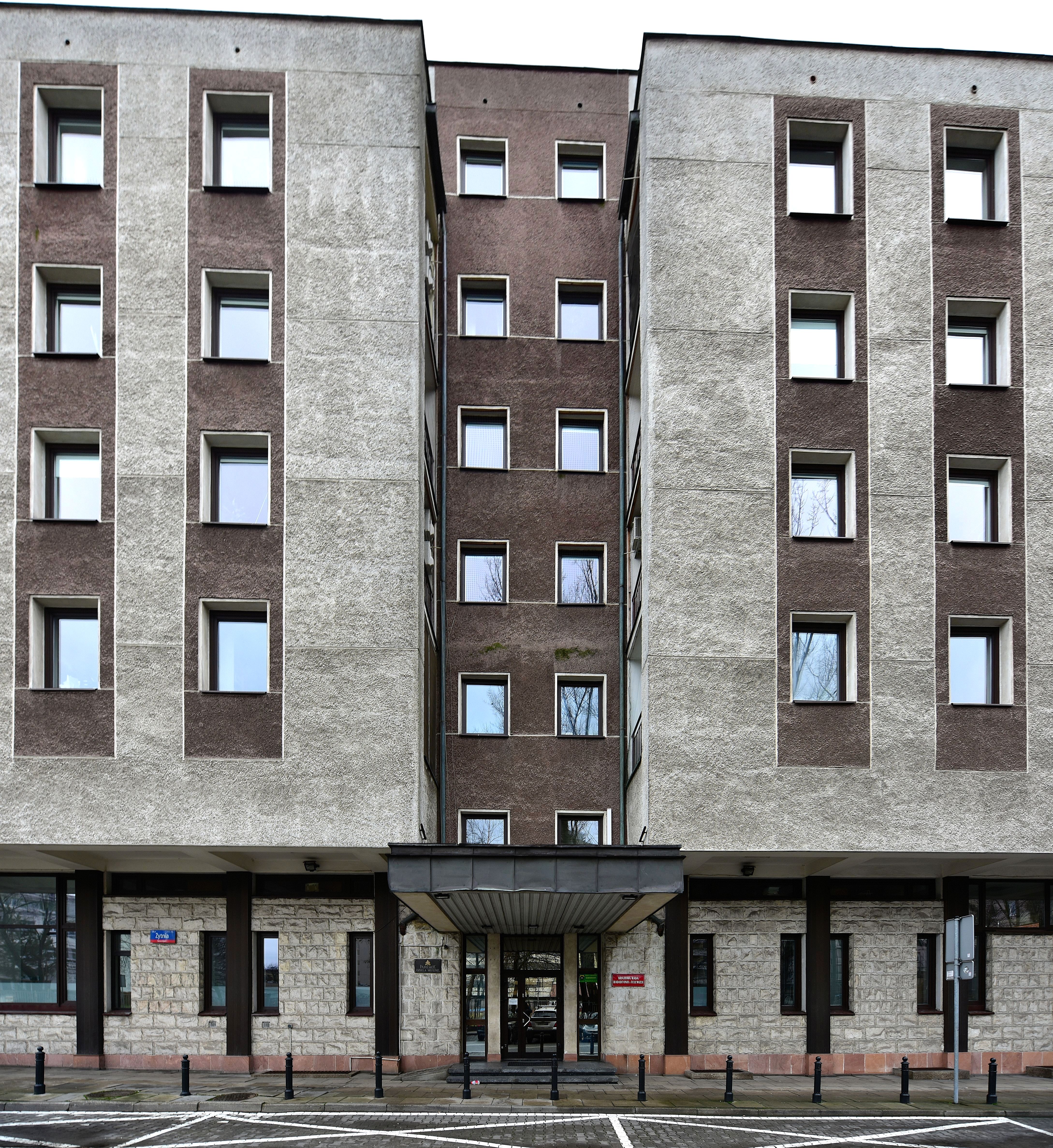
Besides the chairperson, who is elected by the Sejm with the Senate's consent for a five-year term, the commission will include representatives of four other supervisory institutions - the Office of Competition and Consumer Protection (UOKiK), the Office of Electronic Communications (UKE), the Financial Supervision Authority (KNF), and the National Broadcasting Council (KRRiT). This structure is meant to ensure that AI oversight accounts for the perspective of markets where artificial intelligence systems are already in use today.
This is a matter that will be one of the most important things for the Polish state in the near future. - Włodzimierz Czarzasty, Speaker of the Sejm
It will be necessary for the Sejm to appoint a chairperson with the Senate's consent, to fill the remaining posts, and to organize the administrative infrastructure. - Jarosław Kamiński, Rödl & Partner law firm
What comes next
If the vote goes ahead as announced in mid-September, the KRiBSI chairperson will take office for a five-year term, and the following months will be spent filling the remaining posts and building the administrative infrastructure at the Ministry of Digital Affairs. Only then will the commission be able to actually start inspecting companies and issuing its first decisions on AI systems' compliance with the law.
For Polish companies deploying artificial intelligence, this means a period of uncertainty - they are formally already subject to the law and face potential fines, but the body they could turn to for an opinion, or that could open proceedings against them, is still in its infancy. The September vote will be the first test of whether the Speaker's announcements translate into an actual timeline.