News
Polish AI Algorithms Enter Fertility Diagnostics and Treatment
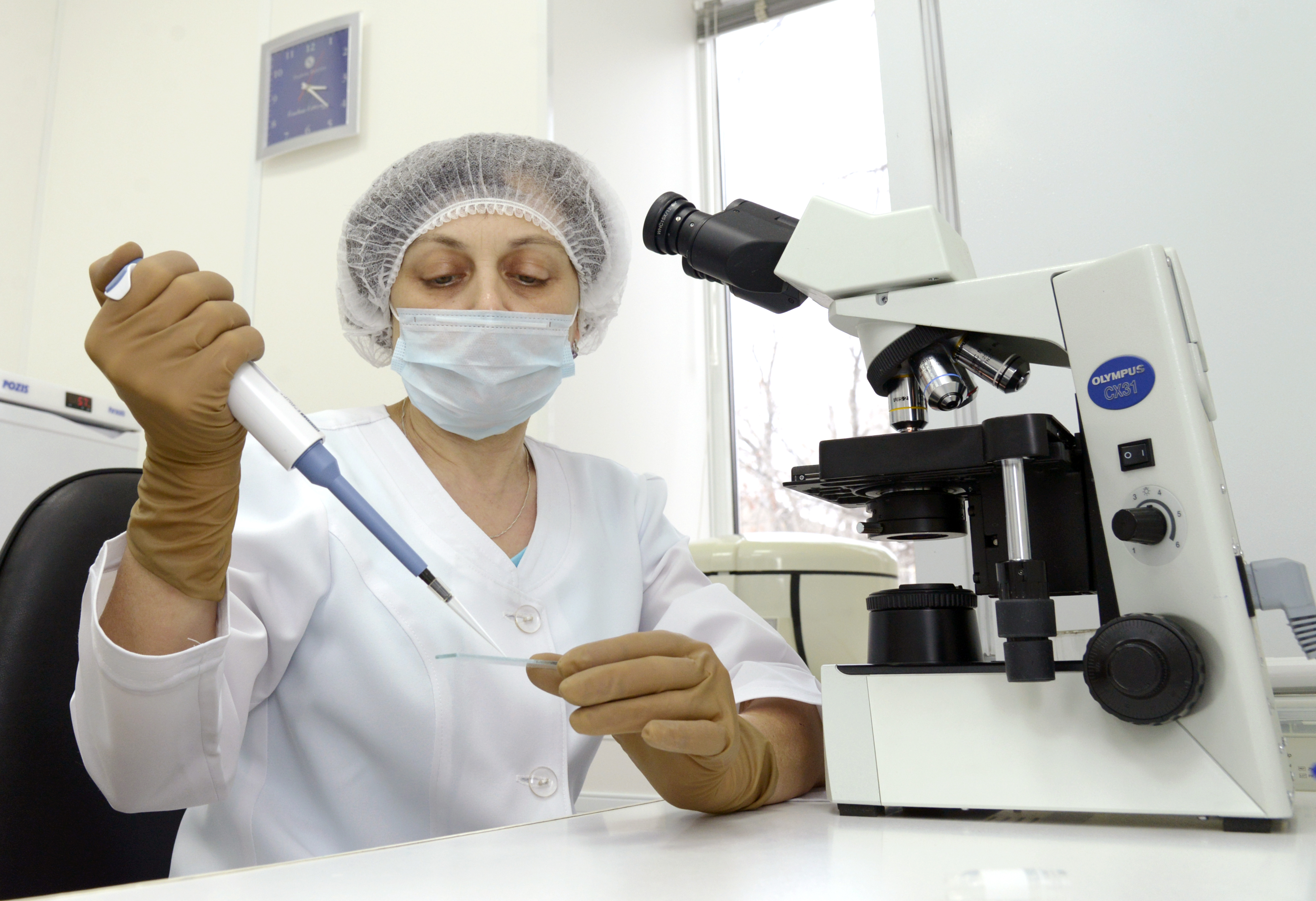
Polish tools FOLLISCAN and EMBRYOAID analyze ultrasound images of ovaries and embryos to support doctors in IVF procedures. Their creators stress that the AI advises specialists, but humans still make the final decisions.
Artificial intelligence is making deeper inroads into fertility clinics in Poland. Two tools built by MIM Fertility, FOLLISCAN for analyzing ovarian ultrasound images and EMBRYOAID for assessing embryo quality, are designed to shorten diagnostic time and improve the success rate of IVF procedures, though final decisions still rest with doctors and embryologists.
How the tools work
FOLLISCAN is software classified as a class IIa medical device, certified under EU regulation 2017/745. It analyzes two- or three-dimensional transvaginal ultrasound images, automatically detecting, measuring and counting ovarian follicles, which helps specialists determine the right moment for egg retrieval during hormonal stimulation.
The second tool, EMBRYOAID, comes into play at a later stage of the IVF procedure. It evaluates photos or video recordings of day-five embryos and compares them against a database of thousands of prior cases that resulted in successful implantation, indicating to the embryologist which embryo has the best chance of developing after transfer to the uterus.
Who is behind the project
Both tools were developed by Dr. Piotr Sankowski, a University of Warsaw professor specializing in algorithms who founded MIM Fertility. He stresses that AI does not replace the doctor, only supports them in specific, narrowly defined tasks.
It's an extra eye, an assistant that advises the doctor on how to make certain decisions better. We're not talking about the entire treatment process, only about specific tasks that are either time-consuming or where artificial intelligence can offer good advice - Dr. Piotr Sankowski, founder of MIM Fertility
Sankowski notes that doctors who use AI suggestions make better decisions, have more time and experience less stress, especially with repetitive, time-consuming tasks such as manually counting follicles on ultrasound images or spending hours analyzing embryo development under a microscope.
Clinical trial results
EMBRYOAID's effectiveness was tested in a study covering six fertility clinics. The algorithm correctly identified the embryo with the highest implantation potential in 70.1 percent of cases, slightly outperforming both the embryologists' average and a panel of expert observers. MIM Fertility also presented new FOLLISCAN research results at the American Society for Reproductive Medicine conference in 2025, pointing to ongoing development and validation of the tools at additional centers.
Why it matters for Poland
The topic is gaining importance amid shifting demographics. According to data from GUS (Poland's Central Statistical Office) in its Demographic Yearbook, the median age at which Polish women have their first child keeps rising, with more women choosing motherhood after age 35, and age is one of the main factors that lowers the success rate of fertility treatment. Earlier, more precise diagnostics, which AI is meant to provide, could therefore have a direct impact on treatment outcomes for couples using the government's IVF program.
For fertility clinics, tools like FOLLISCAN and EMBRYOAID also mean potential time savings for medical staff, which, given the growing number of couples qualifying for the reimbursement program, could matter organizationally as well as medically.
The tools' creators emphasize, however, that AI currently covers only selected, narrow stages of the IVF procedure, such as follicle counting or initial embryo assessment, rather than the entire diagnostic and treatment process. Final clinical decisions, including the choice of stimulation protocol or which embryo to transfer, still belong to the doctor and embryologist.