News
Polish Prosecutors Test AI on Real Case Files, Rollout Expected Within Months
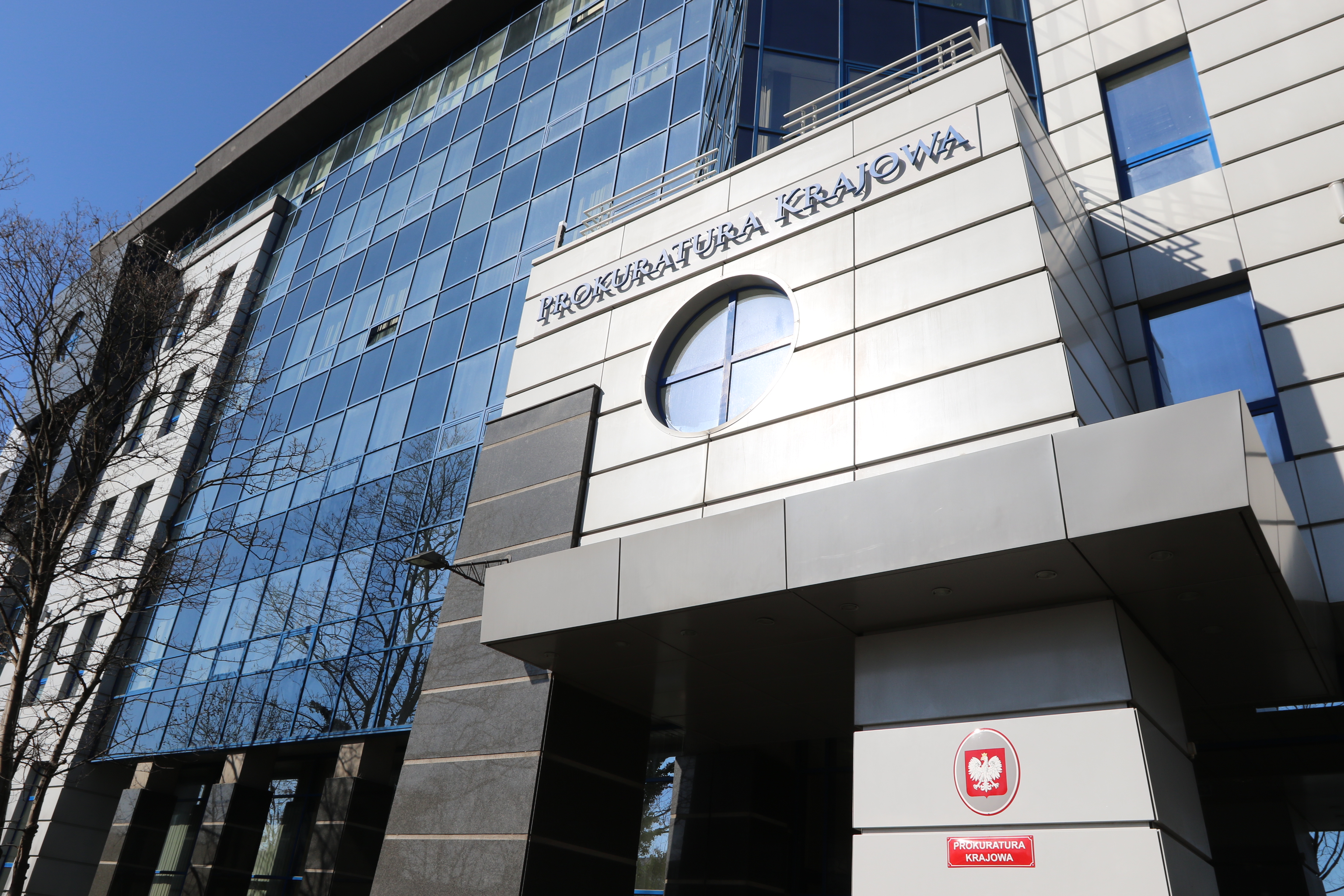
Poland's National Prosecutor's Office is testing AI tools for transcription, translation and case-file analysis on material from ongoing proceedings. The director of its IT department says rollout is a matter of months, but decisions are to stay with prosecutors.
Contents
Polish prosecutors are testing artificial intelligence tools on material from ongoing investigations. Piotr Pawłowski, the new director of the Department for Cybercrime and Informatization at the National Prosecutor's Office (Prokuratura Krajowa), says in an interview with Rzeczpospolita that full rollout across prosecutorial units is a matter of a few months.
What is being tested
According to Pawłowski, the tools cover transcription of recordings, translation and analysis of evidence. They run on closed infrastructure, and data does not leave it, for example toward the cloud. Prosecutors rate the solutions "very well."
The director also points to AI's ability to connect scattered pieces of cases. The software is meant to find links between proceedings in different regions of the country and make it easier to identify serial offenders and organized groups operating in cyberspace. The expected result is fewer discontinued cases because perpetrators were not identified. Pawłowski says an analytical tool for linking proceedings has already reduced the number of discontinuations to some extent, but the prosecutor's office is only at the beginning of the road.
Limits on AI use
A prosecutor must verify the results of AI analysis. Pawłowski stresses that the prosecutor's office does not want AI to draft decisions or produce final ones.
It is meant to be only active analytics, help with managing case files and support for the prosecutor. - Piotr Pawłowski, director of the Department for Cybercrime and Informatization at the National Prosecutor's Office
A security policy in line with the EU's AI Act is also planned. Pawłowski took the post on 16 October 2026, succeeding Agnieszka Gryszczyńska, and according to ITReseller co-created the PROK-SYS system.
Translation and costs
The District Prosecutor's Office in Warsaw (Prokuratura Okręgowa w Warszawie) reports good results with automatic translation, including from less common languages. Only documents relevant to the case go to sworn translators, which Pawłowski says has clearly cut costs. Other units point to similar savings potential. The interview gives no figures.
Reports and digital files
Pawłowski wants AI to extract data from a digital crime report and generate for the prosecutor a set of documents that could be signed almost immediately. If a platform refuses to hand over data, the system would suggest next steps. The prosecutor's office is considering accepting reports through mObywatel (the Polish government app) or a chat, and the form could require the website address, emails, phone numbers and account numbers.
The obstacle is the law. Digitization of case files stands at 30-40 percent, and some courts reject digital files because the code of criminal procedure does not explicitly allow them. The amendment is to cover first cases in regional courts, about 10,000 a year. Without the law, the prosecutor's office has no basis to change its system, so Pawłowski says: "Every week counts."
What comes next
Announcements also include digital-skills training for prosecutors and co-financing of projects from EU funds. For now these are declarations and tests, with no stated number of units involved and no exact timeline. Under the Bankier.pl article, one reader voiced concern about AI hallucinations in documents, and another disagreed.