News
Tesco Trials Tally Robots That Spot Ten Times More Shelf Gaps Than Humans
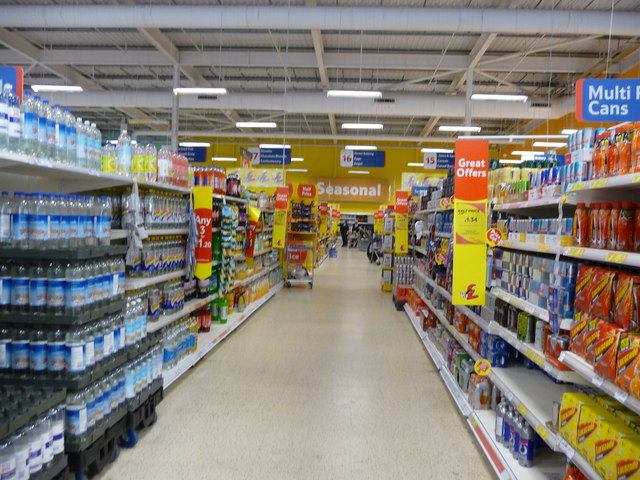
British retailer Tesco is trialing the autonomous Tally robot in one of its stores, which the manufacturer says can detect up to ten times more stock shortages than manual staff checks.
Tesco has begun trialing the autonomous Tally robot in one of its stores, with plans to expand the pilot to several more locations. The machine, built by American company Simbe Robotics, moves independently through the aisles and scans shelves using AI-powered cameras, checking product availability, placement and price accuracy.
Tesco has not yet disclosed exactly how many stores the expanded trial will cover or when a decision on wider rollout will be made. The company stresses that the robot is meant to support staff rather than replace them, automating tedious, repetitive tasks such as manually checking thousands of products on the shelves.
How Tally Works
The robot moves independently through the store aisles and performs several full inventory scans a day, something physically impossible to achieve with manual checks. The data it collects, information about stock shortages, pricing errors or misplaced products, is sent immediately to the store team, allowing them to respond faster to restocking needs.
This is the latest version of the device, designated Tally 4.0. According to Simbe Robotics, the new model scans a larger portion of the store, does so more often than previous generations, and delivers information on stock levels, pricing and product display faster.
Tally 4.0 covers more of the store, does it more often, and delivers information about what's in stock, how it's priced and where it's placed, faster than ever before - Jeff Gee, co-founder and chief design officer at Simbe Robotics
While the robot is faster, more precise and more capable, its design has stood the test of time. Tally 4.0 remains true to the principle we've followed from day one: technology should serve people - Jeff Gee, Simbe Robotics
Tesco's Broader Robotics and AI Plan
The Tally trial fits into Tesco's broader strategy of investing in the automation of its physical stores. The chain is already deploying autonomous cleaning robots in some locations and has signed a deal with Hanshow to install electronic shelf labels in around 3,000 stores. Tesco is also testing an AI assistant to help customers plan meals and build their shopping baskets.
Retail industry analysts note that Tesco is consistently building a store model in which robotics, computer vision and digital infrastructure work together as one connected operating system, rather than as isolated technology deployments.
Why This Matters for Retailers
Empty shelves and pricing errors are among the most damaging, yet hardest to spot, problems in large supermarkets: a missing product on the display shelf can dent sales even when the item is still available in the backroom stockroom. Automated, repeated scanning throughout the day catches such gaps far faster than periodic manual stocktaking.
Retail chains around the world, including in Europe and the US, have been testing similar solutions for years, showing that automated shelf monitoring is becoming a standard part of large grocery chains' strategies rather than a technological curiosity.