News
Reuters Chief Warns AI Poses Existential Threat to Journalism
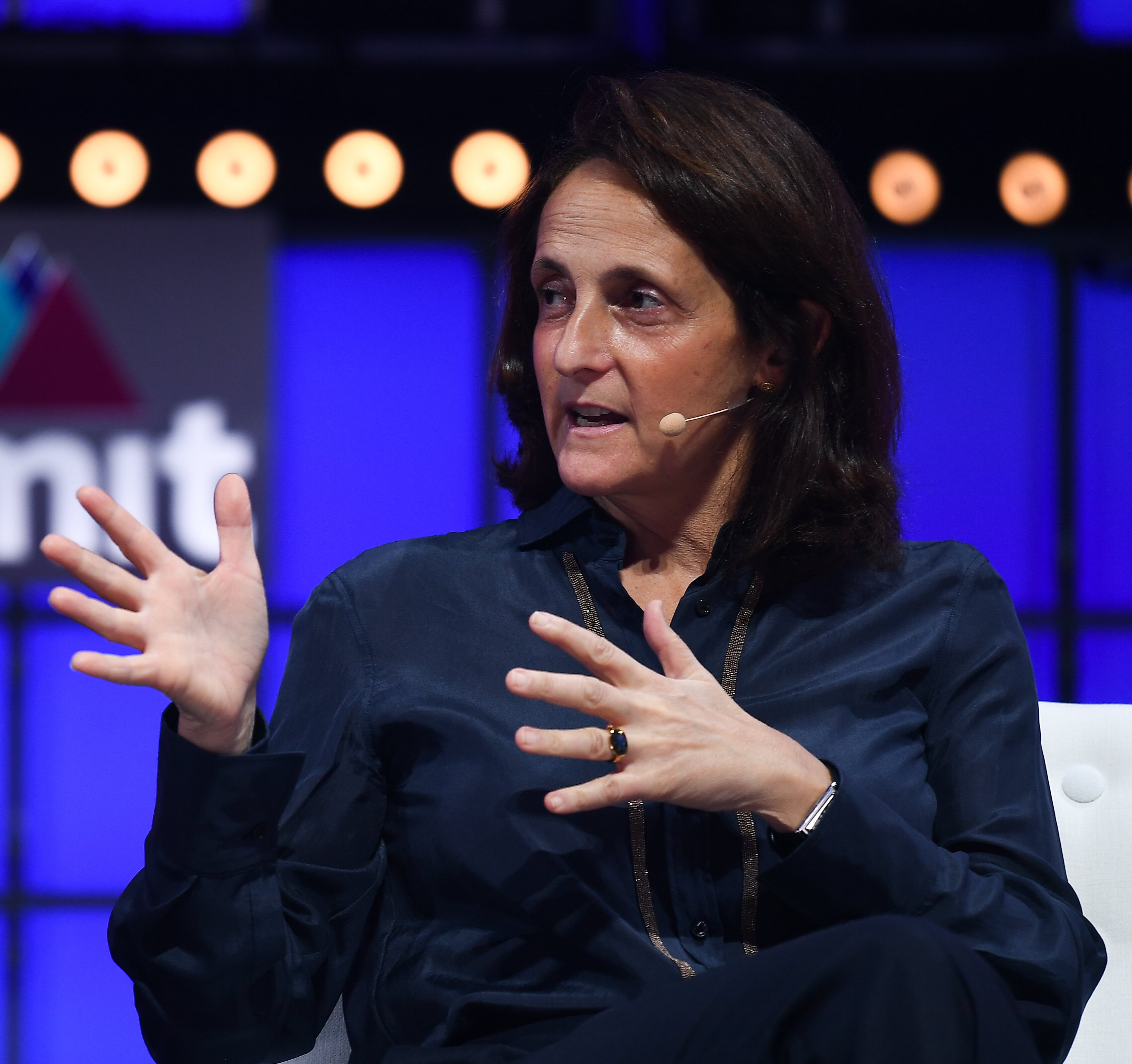
Reuters editor-in-chief Alessandra Galloni warned in the annual Andrew Olle Media Lecture in Sydney that AI companies training models on journalistic content without payment threaten the survival of independent newsrooms. She proposed a licensing model for verified content instead of free scraping.
Contents
Reuters editor-in-chief Alessandra Galloni warned that the advance of artificial intelligence poses an existential threat to traditional media if companies building language models keep using journalistic content without consent or payment. She delivered the remarks on July 21 during the annual Andrew Olle Media Lecture at the ABC studios in Sydney.
Warning From Sydney
The Andrew Olle Media Lecture is one of Australia's most prominent annual media addresses, organized by public broadcaster ABC. This year's speaker was Galloni, who has headed Reuters since 2021 as the first woman in the agency's history to hold the role. In her address, she described the rise of generative artificial intelligence as one of the most serious business challenges newsrooms have faced in decades.
According to her, the problem lies not in the technology itself but in how AI companies obtain the data used to train their systems. Language models learn from millions of articles, reports and analyses that newsrooms produce at the cost of reporters' time, labor and money, while answers generated by chatbots increasingly replace clicks on the original piece.
License, Not Theft
Our journalism should be licensed, not taken - Alessandra Galloni, editor-in-chief of Reuters
Galloni spoke bluntly about her concern that AI companies will keep appropriating content that newsrooms worked hard to gather and use it to train their models, stripping publishers of intellectual property largely without consent or compensation. Her proposal is not to shut the door on artificial intelligence, but to push its developers toward a business model built on paid, labeled licenses.
The Reuters editor-in-chief also used the term pink slime for mass AI-generated outlets that copy other people's reporting without verification just to chase clicks. In her view, it is precisely in contrast to such sites that mainstream newsrooms should sell verified, rigorous reporting to AI companies under clear terms of attribution and payment.
A Mistake Humans Caught
Galloni also gave an example from Reuters' own operations. During testing of an external AI tool, the system mistook a SpaceX spacecraft for a ballistic missile. The error was caught by experienced agency journalists and engineers before the tool reached wider use, which she cited as an argument for keeping human oversight at every stage of AI work in the newsroom.
The further a piece of news travels from the reporter, the less people believe it - Alessandra Galloni, editor-in-chief of Reuters
At the same time, Galloni stressed that artificial intelligence itself can be a powerful tool, a force multiplier for newsrooms, provided it is used responsibly. Reuters already allows journalists to use approved AI tools for editorial tasks, but final responsibility for published content always rests with a human.
Publishers' Broader Fight With Big Tech
Galloni's remarks fit into a months-long dispute between publishers and AI companies over the value of journalistic content. The New York Times sued OpenAI and Microsoft for using its articles without consent, while other newsrooms, including some news agencies, have opted for commercial licensing deals with language model developers instead of litigation.
These disputes are also set against data showing declining search traffic to publishers' sites, as more users settle for answers generated directly by chatbots or AI Overviews without visiting the source article. This trend affects not only global giants like Reuters or the New York Times but also smaller national newsrooms, including Polish ones, which have been grappling with a similar problem for some time.
For Polish publishers and newsrooms, Galloni's message is clear: the question of paid access for AI companies to journalistic content is no longer a theoretical debate but a real element of business negotiations worldwide. How such disputes are resolved abroad could set the template for the licensing deals smaller media markets will eventually be able to secure.