News
Samsung Promotes Professional SSD With Fully AI-Generated Ad
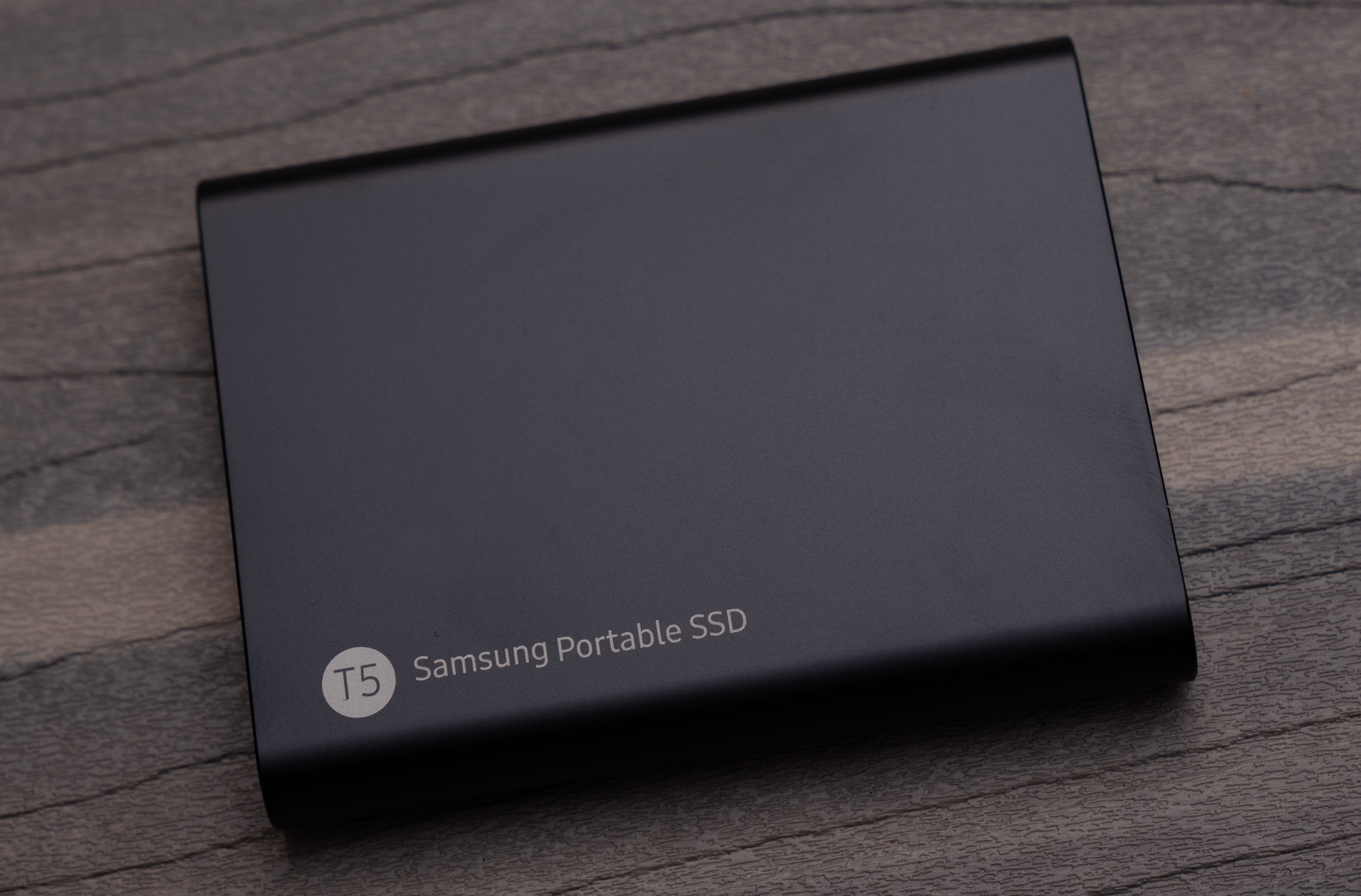
Samsung released an ad for its Portable SSD P9, a drive aimed at filmmakers, without involving a single camera operator, camera, or film set in its production. The film industry is calling out the irony of storage hardware for footage being promoted with material that nobody actually filmed.
Contents
Samsung has launched the Portable SSD P9, a drive aimed squarely at cinematographers and editors working with 12K RAW footage. Yet the company produced the product's promotional campaign without a camera, a set, or a film crew: the entire spot was generated with generative AI, a fact flagged throughout the video by an on-screen disclaimer.
Not One Frame of Real Footage
The P9 is the successor to the popular Portable SSD T series, this time built for creators working in cinema-grade resolutions. In its press materials, Samsung stresses that the drive is designed to withstand extreme field conditions and maintain stable recording when capturing raw 12K video.
The problem is that the ad for a product meant to capture and store real film footage doesn't contain a single second of camera-shot material itself. According to CineD, the outlet that first reported on the story in detail, the spot's production had no cinematographer, no set, no lighting crew, no sound recordist, and no colorist: generative AI replaced all of them.
Rounding it out, the product's press photos contained artifacts typical of image generators: distorted, nonsensical text like "talephoto" or "vulture cirsting", evidence that the visual materials were also machine-made rather than shot in a photo studio.
Film Industry Reacts
The story was amplified by, among others, well-known cinematographer and online creator Philip Bloom, who flagged it on Threads. CineD's posts on social media drew dozens of comments pointing out the contradiction between the campaign's target audience and the way it was made.
Critics note that a product marketed as a working tool for professional cinematographers was promoted without any professional cinematographer involved, even though the P9 is supposed to make exactly their work easier and support it.
At the edge of your world, failure isn't an option - Tommy Kwon, Samsung Vice President
The quote comes from Samsung's official promotional material and was meant to emphasize the hardware's reliability in extreme working conditions. Set against a campaign that was entirely AI-generated, it struck many commenters as an unintentionally ironic comment on the process behind its own creation.
A Contrast With the Ridley Scott Ad
The situation is further underscored by Samsung's own marketing history from just three years earlier. In 2023, the company brought in director Ridley Scott and cinematographer Flavio Labiano to make the short film "Behold", shot on a Galaxy S23 Ultra, a campaign meant to showcase the phone's capabilities precisely through the work of a real film crew.
The shift from hiring acclaimed filmmakers to handing campaigns over to image and video generators shows how quickly large tech companies are changing their approach to ad production, betting on time and budget savings at the expense of relationships with the creative industry they are simultaneously trying to win over as customers.
What It Means for Marketers
The P9 case fits into a broader debate over the place of AI in advertising for products aimed at creators and creative professionals. While generative campaigns are sometimes accepted in mass-market segments, industries that AI directly affects financially and professionally tend to react far more sharply, and the resulting reputational damage is harder to undo.
For companies planning generative-AI ad campaigns, Samsung's story is a practical lesson: choosing the right target audience matters just as much as the production technology itself. An ad aimed at filmmakers, made without any filmmakers involved, risks shifting attention away from the product and onto the way it was promoted.