News
Shift Up Faces Backlash Over AI-Generated Music Video for Stellar Blade: Blood Rain
Korean studio Shift Up released an official music video for "Wanna Be in Love," promoting the Blood Rain expansion for Stellar Blade. YouTube itself flagged the video as largely AI-generated, and fans flooded it with criticism.
Contents
Korean studio Shift Up, developer of Stellar Blade and Goddess of Victory: Nikke, published a music video on its official YouTube channel on July 31, 2026, promoting the upcoming Blood Rain expansion. In the clip, new character Evie sings and dances like a K-pop star against cyberpunk backdrops familiar from the game's promotional material. Viewers almost immediately spotted the telltale glitches of AI-generated graphics, and YouTube itself tagged the video with the appropriate label.
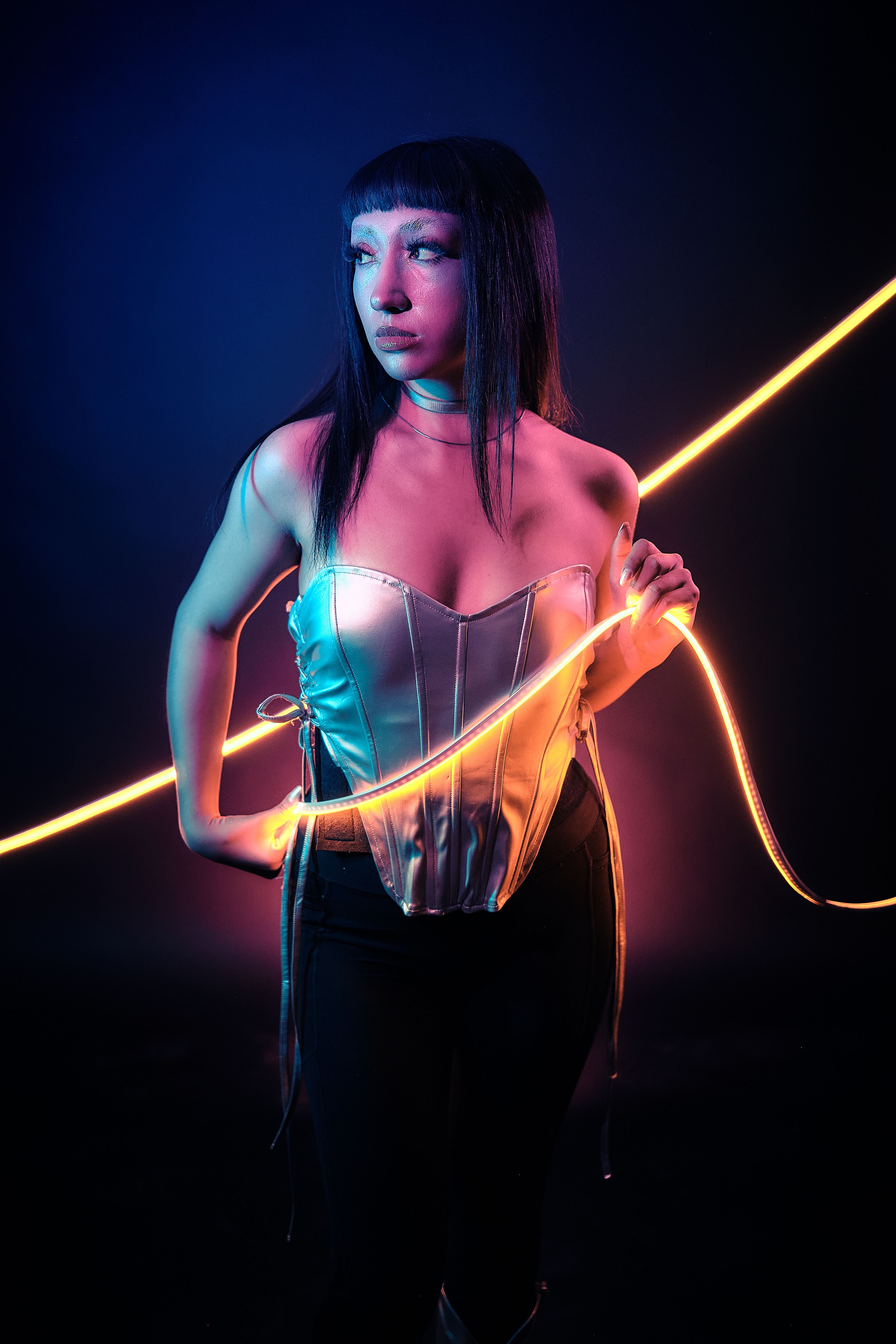
The clip shows Evie, Blood Rain's new protagonist, as a pop star moving through China-inspired neon streets familiar from the game's promotional material. The second half of the video features fake "behind-the-scenes" shots in which an AI-generated film crew wears T-shirts with the Shift Up logo, even though no such shoot ever actually took place.
Details Give Away the AI
Viewers quickly pointed out glitches typical of generative graphics: unnatural facial expressions on Evie, inconsistent background details, and a random keychain referencing the show "K-Pop Demon Hunters," which has no connection to either Stellar Blade or Nikke. The studio confirmed that the production was handled by ShiftUp A.I. Labs, an internal team developing generative tools that has existed within the company for some time but had rarely been shown publicly.
The song itself was well received, with some fans praising the music and vocals. Criticism focused almost entirely on the visuals, which many viewers described as cheap and unpolished for an official production from a studio valued at hundreds of millions of dollars after its debut on the Seoul stock exchange.
Fan Backlash
Hundreds of critical comments piled up under the video and on X within a few hours. A recurring question was whether this was really an official studio release and not a fan-made joke. Disapproval also came from Japanese and Korean audiences on the game's regional social media channels.
The latest, not particularly stellar "Wanna Be in LOVE" music video was made using in-game assets with support from ShiftUp A.I. Labs, a division that has been maturing within the company for some time. This video made clear what they're capable of. Bland, generic, synthetic garbage. A textbook example of AI slop. What was even the point of this? - ShiftUpWorld, a Stellar Blade fan account on X
Generative artificial intelligence itself is dreadful and unsettling - Sammy Barker, editor at Push Square
Not the First Such Controversy
This is already the second AI-related controversy around Blood Rain in two months. The expansion's trailer shown at Summer Game Fest 2026 was also accused by players of containing AI-generated elements. The situation is further complicated by the fact that Shift Up's founder and CEO is Kim Hyung-tae, a respected illustrator and character designer who began his career working on Magna Carta and Blade & Soul, which makes the studio's reliance on generative graphics especially disappointing for some fans.
Evie herself has stirred controversy unrelated to AI since her announcement in June, mainly over an appearance some players described as too youthful for the tone of the scenes she appears in. Kim Hyung-tae defended the design at the time, explaining that the new character is meant to have more personality than the previously playable Eve, and that the story explanation for her replacing the original protagonist will only be revealed in the game itself.
What's Next for the Series
Blood Rain's release date still hasn't been announced, and Shift Up hasn't said whether the disputed footage will be replaced with material filmed without AI involvement, as has happened previously with other games accused of similar practices. Meanwhile, the original Stellar Blade is preparing to launch on Nintendo Switch 2 later in 2026, aiming to expand the player base ahead of the expansion's release.
The controversy fits into a broader dispute that has played out across the games industry throughout 2026, in which players are increasingly demanding clear labeling of content made with generative AI, while studios try to balance cost pressures with the expectations of audiences accustomed to hand-crafted visuals in long-running productions.