News
Stepnica Becomes First Municipality in Goleniów County to Regulate AI Use
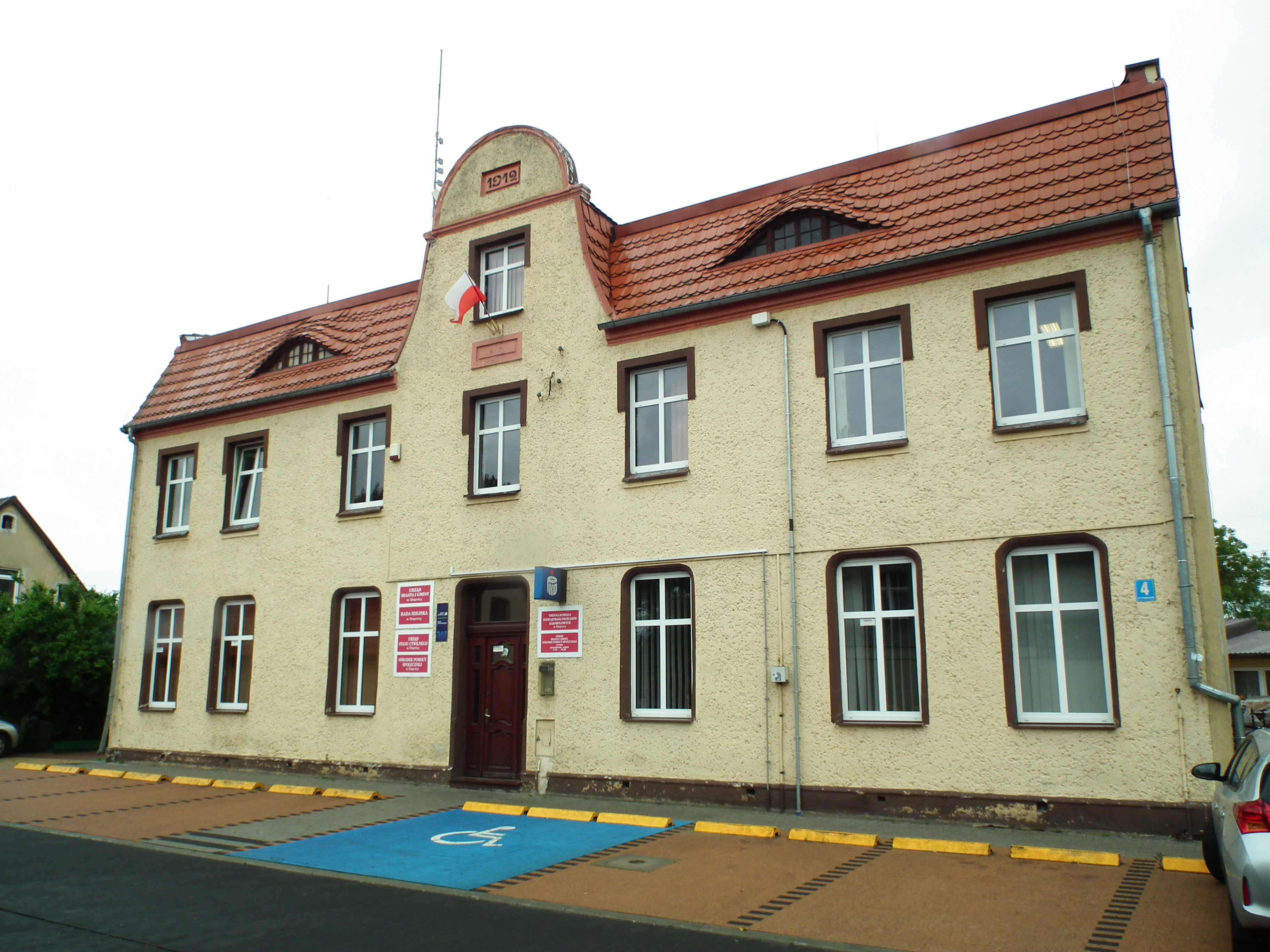
The Stepnica Municipal and Town Office has introduced regulations banning officials from entering residents' personal data into AI tools. Neighboring Goleniów is preparing similar rules.
Contents
The mayor of Stepnica signed regulations a few days ago that, as one of the first in Goleniów county, explicitly define what officials are not allowed to enter into artificial intelligence tools. The document bans entering residents' personal data, details of ongoing administrative proceedings, and information covered by tax or official secrecy.
This is the first document of its kind in Goleniów county, though the problem affects public administration across Poland. Until now, local governments have done little to regulate their employees' use of generative AI, even though these tools have long been finding their way onto office computers without formal approval or oversight.
What the Regulations Ban
The document signed by Mayor Wyganowski states that Stepnica officials are banned from entering any personal data of clients, residents, and employees into AI systems, as well as any data that could identify specific individuals. The ban also covers details of ongoing administrative proceedings.
The regulations also protect information covered by legally protected secrecy, including tax, official, and statistical secrecy, and anything whose disclosure could expose the office to financial or reputational damage. An additional requirement concerns verification: every document or response prepared with AI assistance must be read in full and checked by an employee for accuracy and legal correctness.
every document or response prepared with AI assistance must be read in full and verified by an employee for accuracy and legal correctness - from the regulations of the Stepnica Municipal and Town Office
The Scale of the Problem in Polish Offices
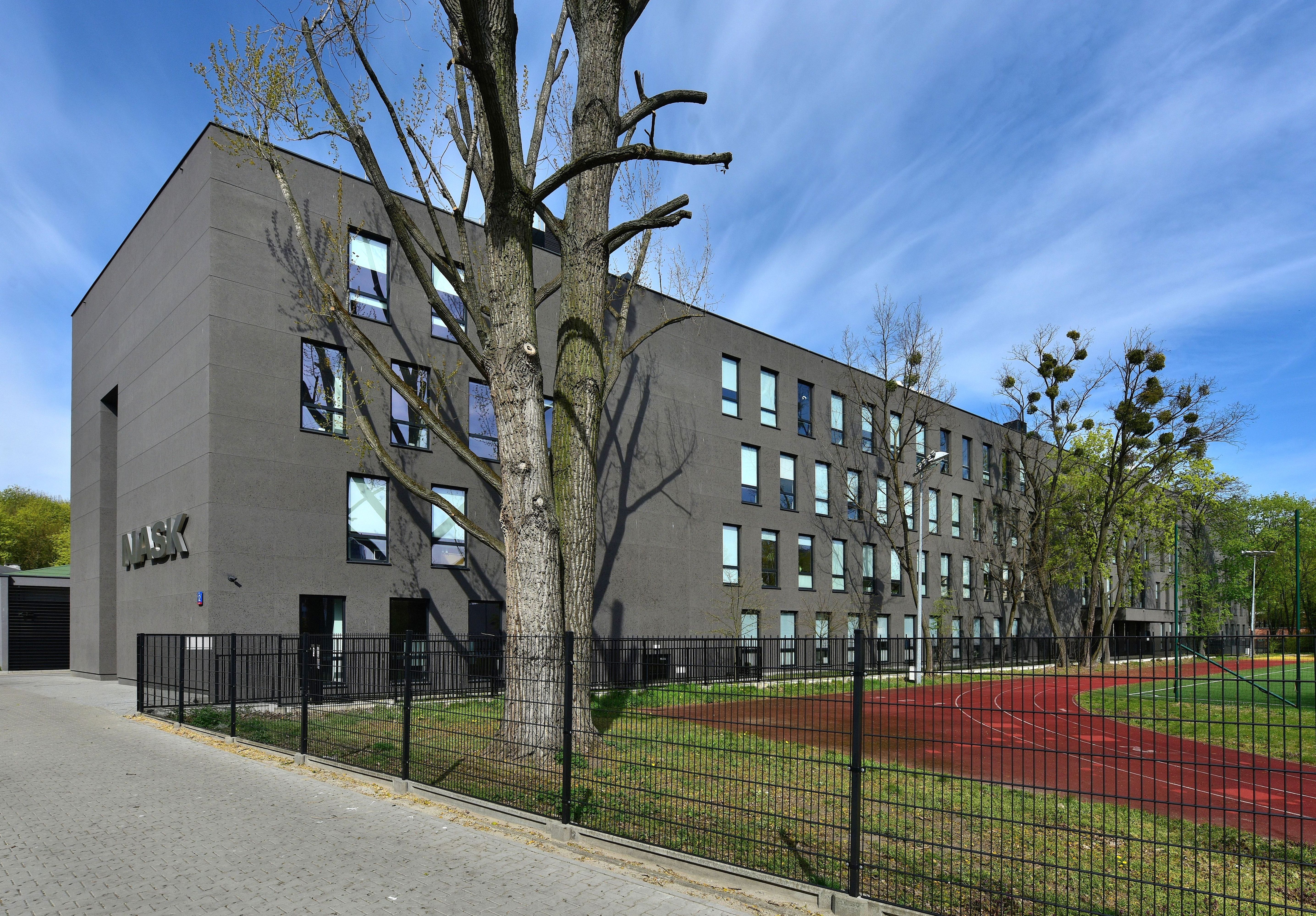
NASK data show that nearly half of public administration employees already use generative AI in their daily work, most often to analyze regulations, create letter templates, or automatically generate documents based on entered data. The problem is that this data often ends up in systems run by external companies, beyond the office's control.
Current rules are loose. If an official uses an AI tool but ultimately verifies the content themselves and takes responsibility for it, they are not required to inform the person they're assisting that AI was used. It is precisely this loophole that is letting the scale of AI use in administration grow faster than oversight of it.
Neighboring Municipality's Response
Goleniów municipal secretary Agnieszka Wróblewska confirmed that the municipal and town office plans to adopt similar solutions. No timeline or details of the planned document have been given yet, but the fact that a neighboring, much larger municipality is announcing regulations shortly after Stepnica suggests the issue is starting to be taken seriously at the local level.
What's Next
More local governments in Goleniów county, and possibly other regions of the country, are likely to start adopting similar regulations as awareness grows of the risks tied to entering sensitive data into external AI models. Nationwide, however, uniform guidelines for public administration are still lacking, even though the digitization ministry has already prepared a general AI guide for officials.
For residents of these municipalities, this means in practice a lower risk that their personal data or details of proceedings against them will end up in systems the office does not fully control. For officials themselves, it is a concrete instruction on how to use tools that are already in daily use anyway.