News
Sweden Prepares National Defense Against AI Election Interference
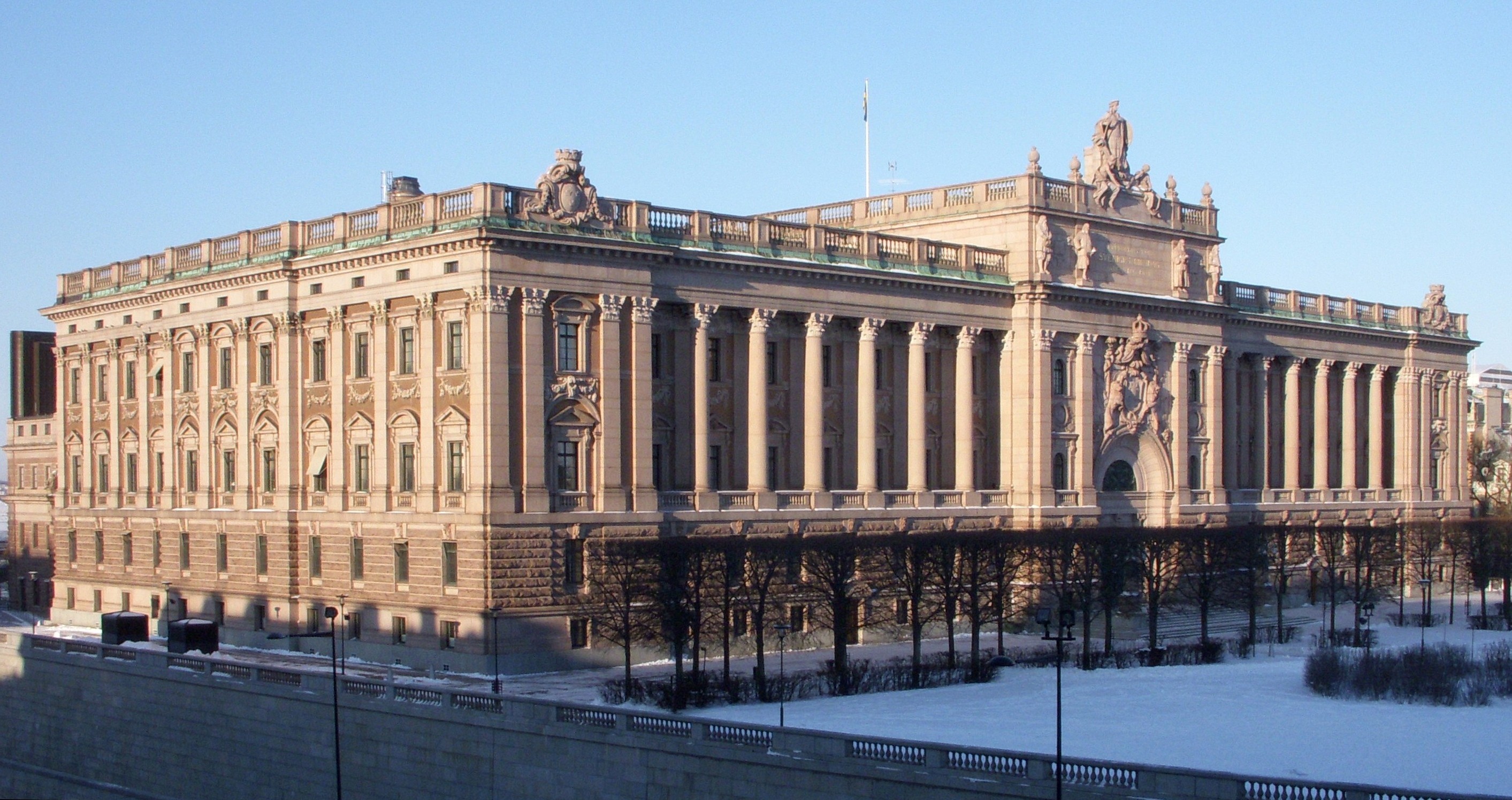
Sweden's government has launched the country's first-ever national psychological defense strategy against disinformation, as 64 percent of citizens expect foreign attempts to influence the September 13 parliamentary election.
Contents
Four days before its parliamentary election, Sweden is rolling out a defense system built specifically for a scenario in which artificial intelligence becomes a tool for interfering with the democratic process. It is the first country to measure public anxiety about AI in the context of voting so systematically, and the results suggest those fears are not overblown.
First Strategy of Its Kind
On Tuesday, the Swedish government adopted the country's first-ever national psychological defense strategy. The document is meant to strengthen the state's resilience against hybrid threats, including influence operations and disinformation campaigns, and covers four areas: countering unauthorized informational influence, bolstering public readiness to defend the country, building media resilience, and international cooperation. The strategy's goals are to be achieved by 2030.
Defense Minister Carl-Oscar Bohlin said Sweden is under constant fire from state and non-state actors trying to undermine trust in social institutions. Implementation of the strategy falls to the Civil Contingencies Agency, the armed forces and the state military recruitment agency, underscoring that disinformation has moved to the center of security policy rather than remaining a communications issue.
We should be vigilant. We shouldn't panic, but we should definitely be concerned - Ola Svenonius, researcher
Fake Accounts and AI Women on TikTok
The threat is not merely theoretical. Investigators identified a network called Holiday, made up of around 1,200 fake accounts on X and partly driven by AI, which generated more than 50,000 posts, comments and shares targeting Sweden and other countries. The network was discovered by accident during a central bank security exercise, and X eventually removed it.
In February 2026, Swedish public radio tracked down four TikTok accounts run by artificial, AI-generated women spreading far-right and anti-immigrant content. Researchers suspect the same people were behind all of them. Uppsala University researcher Matteo Magnani explained the mechanism such networks rely on: flooding the platform with content increases the odds that some of it gets picked up and amplified by the recommendation algorithm.
Migration Tops the Attack Narratives
Researchers at the Swedish Defence Research Agency, which continuously monitors election-related activity online, note that the number of voting-related posts rose from about a thousand a day to nearly 2,400 a day just before early voting began. Coordinated posting and fake accounts were observed, though the scale remains limited and has not been attributed to any specific organized foreign campaign.
Migration dominates the topics most often exploited in influence narratives. Researchers note it now outranks even support for Ukraine, which had previously been the main focus of Russian narratives targeting Sweden. Recurring historical themes include claims of alleged Islamization of the country and suggestions of election fraud.
New Rules, Permanent Institutions
Amendments to the election law in force since December 1, 2025 give the Election Authority a clear mandate to coordinate election security and require county administrative boards, municipalities and diplomatic missions abroad to report incidents immediately. A permanent national election network has also been established, linking the Security Service, police, the Psychological Defence Agency and other institutions.
The government's justification is direct: the current security situation, the pace of technological change and lessons from other elections in Europe have shown the need for greater resilience against malicious foreign informational influence. According to the Psychological Defence Agency, Russia is currently focusing mainly on Germany's national election, and Sweden is not a priority target of Russian influence operations in this election cycle.
What This Means for Poland
For Poland, where the AI Act has required disclosure of AI-generated content since August and the debate over a supervisory commission keeps dragging on, the Swedish model points to a different path: rather than waiting solely on EU-level regulation, countries can build national detection and response infrastructure based on cooperation between security services, the military and civilian institutions. The scale of the phenomenon in Sweden, a country with well-established democratic institutions, suggests no political system is immune to cheap, mass-produced influence campaigns powered by generative AI.
A key finding from research cited by the Psychological Defence Agency is that as many as 40 percent of Swedes cannot recognize AI-generated content in a political context, while 88 percent expect fake AI videos and photos to affect the election outcome. Those figures reveal a gap between awareness of the threat and citizens' actual ability to verify content on their own, making institutional defense mechanisms all the more important.
The outcome of the September 13 election will show whether the new defense infrastructure actually curbs the effectiveness of influence operations or merely dampens their most glaring manifestations. For the rest of Europe, including Poland, which face their own election cycles in the coming years, Sweden's experience could serve as the first real test of whether the AI defense strategies announced for months actually work in practice, not just on paper.