News
Taiwanese Take Out Loans and Second Mortgages to Ride the AI Stock Boom
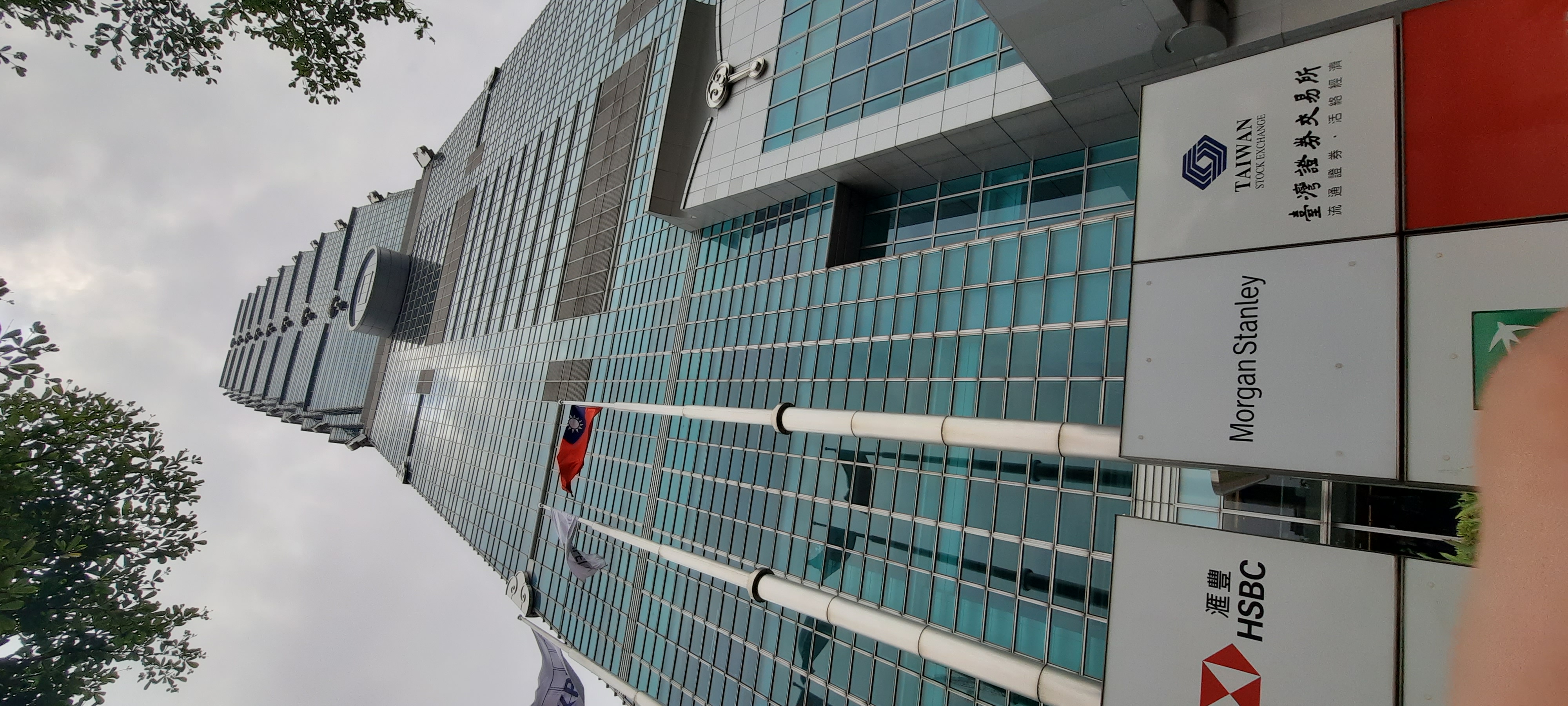
Taipei's stock index surged 59 percent in the first half of the year on AI-linked shares, and ordinary Taiwanese are increasingly borrowing to buy stocks on margin. When the market dropped 16 percent in July, some investors lost half their capital.
Contents
Lucas Chen, a 34-year-old who works in real estate, borrowed 5 million New Taiwan dollars, about 136,000 euros, and quadrupled that capital in six months by investing in AI-linked stocks. By the end of June his portfolio had grown to roughly NT$20 million, or 544,000 euros. Stories like his have become common enough in Taiwan that banks and brokerages are reporting record growth in loans taken out specifically to buy stocks.
The scale of the boom
The rally is driven mainly by TSMC, the world's largest maker of advanced chips, along with related companies such as Delta Electronics and MediaTek. According to earlier data from the Taiwan Stock Exchange (TWSE), those three companies accounted for more than half of the Taiwanese market's capitalization in May, while individual investors generated over 52 percent of trading volume, far more than in Japan or the United States, where institutions dominate the market.
Norman Yin, a finance professor quoted by Euronews, describes the mechanism pushing people to take on debt: if you borrow money from a bank to buy stocks, you can earn more in a single day than your monthly salary. With that kind of prospect, a loan stops looking like a risk and starts looking like an obvious move.
If you borrow money from a bank to buy stocks, you can earn more in a single day than your monthly salary - Norman Yin, finance professor
The other side of the rally
Not every story ends like Lucas Chen's. One investor described on social media put in NT$10 million, of which NT$6 million came from a second mortgage on his own home. When the market turned in July, he lost nearly half of his invested capital, all while still paying down the mortgage.
Yeh Yu-shuo, a popular financial influencer in Taiwan, describes the panic that gripped some investors after the correction. He saw posts from people writing that they wanted to jump off a building. That phrase, quoted by Euronews, captures the scale of psychological pressure generated by investing on credit amid such volatility.
I saw posts from people saying they wanted to jump off a building - Yeh Yu-shuo, financial influencer
The regulator's response
The Taiwan Stock Exchange has started posting videos on social media warning young investors about the risk of insolvency stemming from stock-buying loans. It's a response to concerns that high leverage among retail investors could deepen future downturns if enthusiasm for AI stocks fades faster than market valuations currently assume.
The risk is compounded by the structure of Taiwan's market, where individual tech companies have an outsized influence on the whole index. Earlier analyses showed that every one-New-Taiwan-dollar move in TSMC's share price translates into a shift of several points in the TAIEX index, meaning the swings of a single company can drag down the portfolios of thousands of small investors at once.
What it means for Poland
For Polish readers, Taiwan's story is a cautionary tale rather than a distant curiosity. The AI stock boom is driving valuations worldwide, including funds and ETFs available on the Polish market too, and the psychological mechanism described by Norman Yin, the temptation of quick gains that outpace a salary, works regardless of geography.
Poland's capital market supervisors have not yet recorded borrowing on a comparable scale for AI stock investments, but the growing popularity of brokerage accounts and leveraged products tied to American and Asian tech companies means the issue of leverage in AI investing is becoming more relevant in Poland as well.
Taiwan's story also shows how quickly a market can turn. A six-week, 16 percent decline was enough to leave some investors, who had been counting their gains as recently as spring, struggling to repay loans taken out to ride the boom. It's a risk that applies to any market driven by enthusiasm for a single technology, not just Taiwan's.