News
Tattoo Artists: Clients Increasingly Show Up With AI-Generated Designs
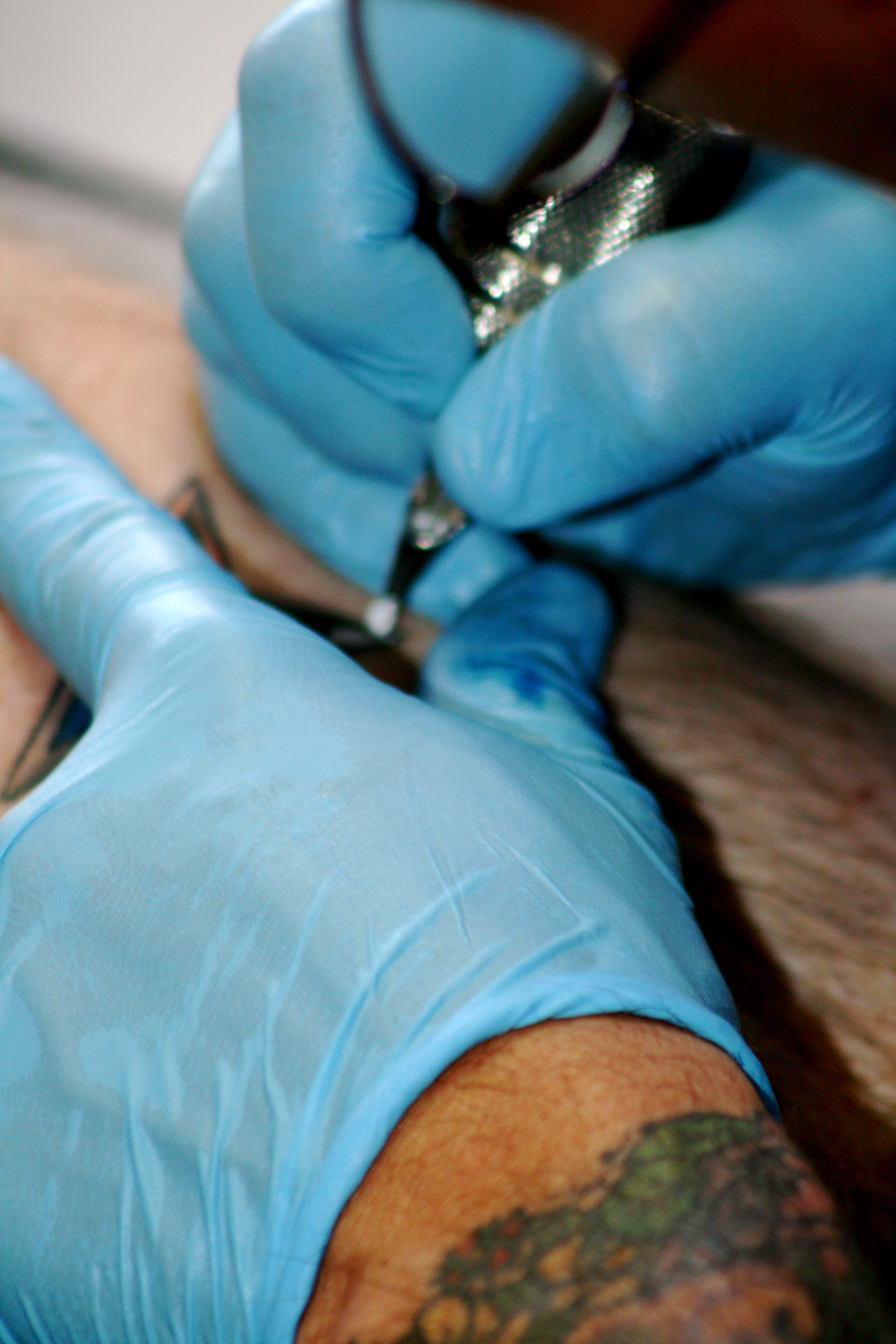
More people are generating their own tattoo designs with AI tools before visiting an artist - a Hungarian artist says it now applies to around 70 percent of her clients. The industry is split, with some artists treating AI as a helpful aid and others warning about quality loss and the ethics of training models on their work.
Contents
Before they even sit down in the chair, more and more tattoo shop clients are opening an AI app first. They generate a visualization of their dream design there, sometimes a finished piece in whatever style they like best, and only then bring it to the artist. The tattoo industry, built for decades on hand-drawn sketches and conversation with the client, is now grappling with a tool that is reshaping the very start of the creative process.
From Idea to Skin
Fuzes, a tattoo artist from Hungary, uses generative AI herself to create reference images for conversations with clients. She treats the tool as a communication aid, not a replacement for her own craft. She does point to a practical problem, though: AI-generated images can be, as she put it, too detailed, which means they translate poorly onto skin and don't age the way a well-designed tattoo should.
That limitation comes up repeatedly among the artists quoted by Euronews. AI doesn't account for how light, shadow and fine detail need to be adapted to the curves of the body and the way skin heals. A design that looks great on screen often needs a thorough rework once it's translated by needle.
Photos of Deceased Loved Ones
David Corden, a tattoo artist from Edinburgh, describes a different use case: he uses AI to restore old, blurred photographs, including pictures of deceased relatives, that clients want turned into a memorial tattoo on their skin. He stresses, though, that the technology itself doesn't replace an artist's skill.
Some artists are better than you could possibly imagine - David Corden, tattoo artist
Tiago Miranda of Disturbia Ink goes the opposite direction. He creates dark, horror-inspired designs entirely from imagination, without using reference photos or AI tools, treating that as part of his personal style and brand.
Skeptics and Data Ethics
Ellie Diamond is among the artists who approach AI with caution. She sees a growing number of clients arriving with self-generated images, but argues that the best work still comes from direct conversation and trust in the artist, not from a ready-made design pulled off a computer.
Most of the best tattoos come from someone saying: here's my idea, I like your work, make it your own - Ellie Diamond, tattoo artist
Industry veteran Dan Gold raises an issue that goes beyond aesthetics. He's troubled by where AI systems get the training data they use to learn how to generate images in specific tattoo styles. He's calling for something like an AI tax on companies that use artists' work without payment or consent.
What This Means for Clients
For people planning a tattoo, the takeaways from these conversations are fairly clear: an image from an AI generator can be a good starting point for a conversation with an artist, but it's rarely fit to be transferred directly onto skin. Detail resolution, how lines settle as the tattoo heals, and fitting the design to a specific part of the body remain the domain of craft, not algorithm.
The tattoo industry is joining a long list of creative professions where generative AI is reshaping the starting point of the creative process without replacing final execution. Similar tensions have been playing out for months in illustration, music and graphic design, where disputes over training data and compensation for creators run parallel to the practical rollout of AI tools in everyday work.