News
Thirty Robots Protest Outside Poland's Digitization Ministry, Demanding AI Regulation
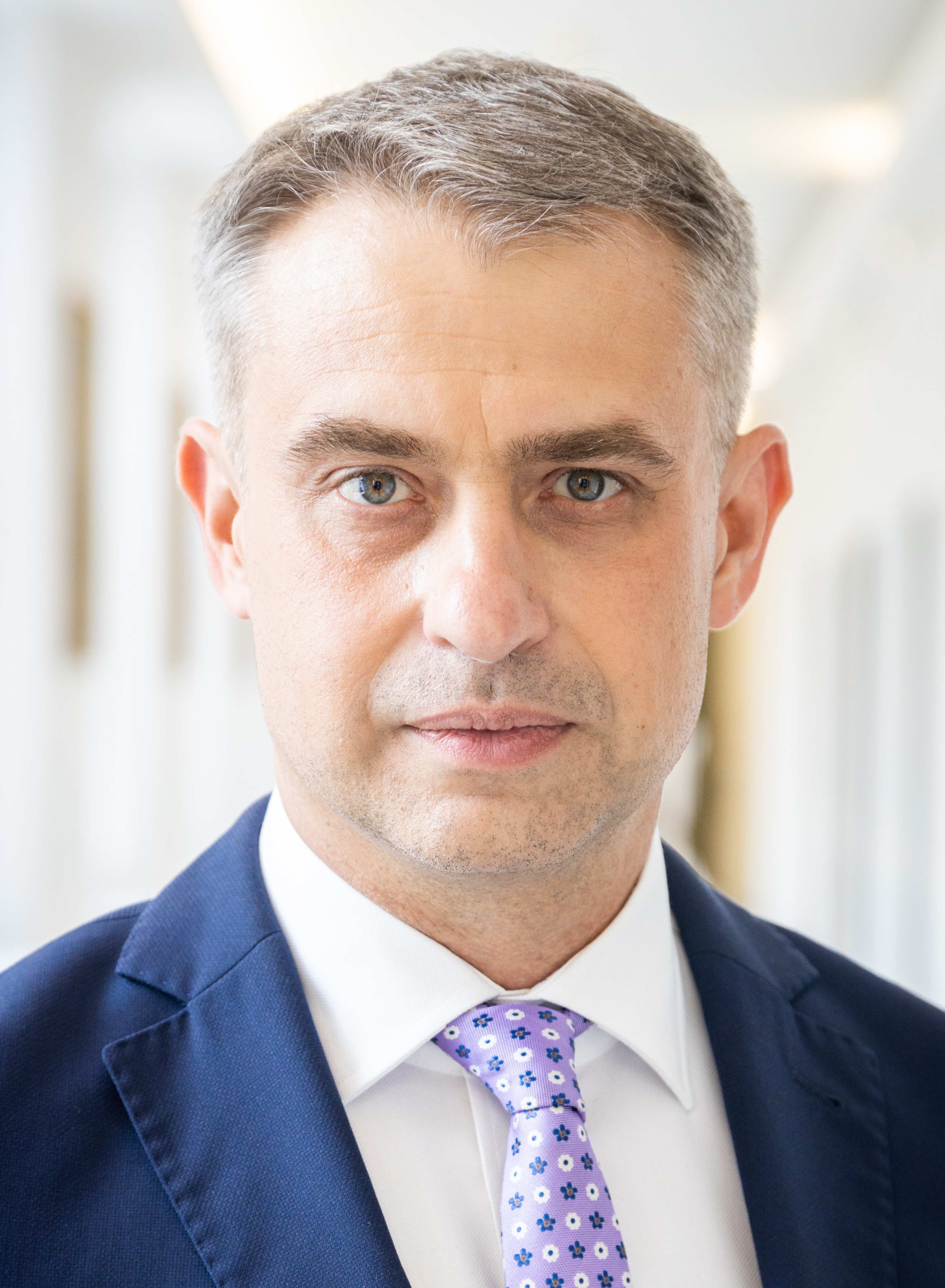
Opole-based firms Delta Robots and Weegree brought around 30 humanoid and quadruped robots onto the streets of Warsaw, demanding clear government rules for robotics and artificial intelligence. Deputy Prime Minister Krzysztof Gawkowski accepted their demands and announced a new AI commission.
Contents
About thirty robots, both humanoid and quadruped, gathered outside the Ministry of Digitization in Warsaw on Monday, September 7, 2026, carrying banners calling for the regulation of artificial intelligence. The action, which organizers dubbed a historic "robot uprising," was staged by two companies from Opole: Delta Robots and Weegree.
Robots carrying banners
The machines marched outside the ministry's headquarters carrying signs reading "Defend jobs," "Time for rules," and "Don't wait, regulate." Among the demonstrators was the humanoid robot AgiBot A3, alongside quadruped units resembling robotic dogs. Organizers called the event the first protest of its kind by robots in Poland, staged to draw attention to the pace at which robotics and AI development are reshaping the labor market.
Who is behind the action
The initiative is fronted by Grzegorz Kuliś, president of the Opole-based companies Delta Robots and Weegree, speaking on behalf of the Democratism.com movement. Delta Robots has been building humanoid and quadruped robots for more than a decade, while Weegree has spent twenty years in the employment services industry, giving the company direct insight into how automation is reshaping the local labor market.
We especially want to raise the issue of people potentially being replaced, both by humanoid robots and by artificial intelligence in knowledge work - Grzegorz Kuliś, president of Delta Robots and Weegree, representative of Democratism.com
Kuliś argues that without shared rules, each company would decide on its own how to deploy robots and AI, with no clear accountability for the impact on workers. The movement is calling for transparent regulations applied equally to all businesses, designed to protect employees from being replaced by machines without oversight.
Government response
Deputy Prime Minister and Minister of Digitization Krzysztof Gawkowski showed up at the protest site and spoke with the organizers. He said that unchecked AI models deployed in humanoid robots pose a real problem for workers, acknowledging that without proper legal frameworks, it could end up being algorithms rather than people making key decisions. He announced plans to set up a commission to handle AI issues and to create regulatory sandboxes for testing solutions under state oversight.
Uncontrolled artificial intelligence could lead to a situation where it's not people but algorithms making the decisions - Krzysztof Gawkowski, Deputy Prime Minister and Minister of Digitization
A law already in force, but no oversight
The protest took place against a backdrop in which formal regulations already exist but enforcement is still lagging. In July 2026, President Karol Nawrocki signed a law implementing the EU's AI Act into Polish law, granting national bodies the authority to enforce the EU rules. However, the oversight commission meant to actually monitor compliance with these regulations has not yet been established.
The protest organizers stress that the gap between the letter of the law and its practical implementation is exactly what they want to warn against. In their view, the robotics and AI industry is growing faster than the state apparatus can keep up with oversight, and every month of delay means more deployments without clear rules of the game.
Scale of the threat to jobs
According to figures cited by the organizers, as much as 30 percent of the professions currently practiced in Poland could be at risk, translating to roughly a million jobs. These estimates align with earlier analyses from public institutions, which have warned for months about the uneven impact of automation on different industries and professional groups in the country.
The event drew significant attention outside Poland as well. News of the Warsaw robot protest was picked up by foreign outlets, including wire coverage republished by France24, Vanguard, and Digital Journal, making the Opole initiative one of the more internationally recognized symbols of the AI regulation debate in Central Europe in recent weeks.
For Polish tech companies and employers, the protest is a signal that pressure for clear rules on deploying robots and AI systems in the workplace is growing not just from trade unions or officials, but from the very companies producing these technologies, who admit that without legal frameworks it is hard for them to set the boundaries of responsible deployment on their own.
The next test for the government will be whether the promised AI commission actually materializes and whether the regulatory sandboxes start working in practice before the number of robot and AI deployments in Polish companies grows large enough to make introducing new rules far more difficult, both politically and organizationally.