News
Toyota Is the 6th-Largest AI Patent Holder in the US, Ahead of Every Automaker
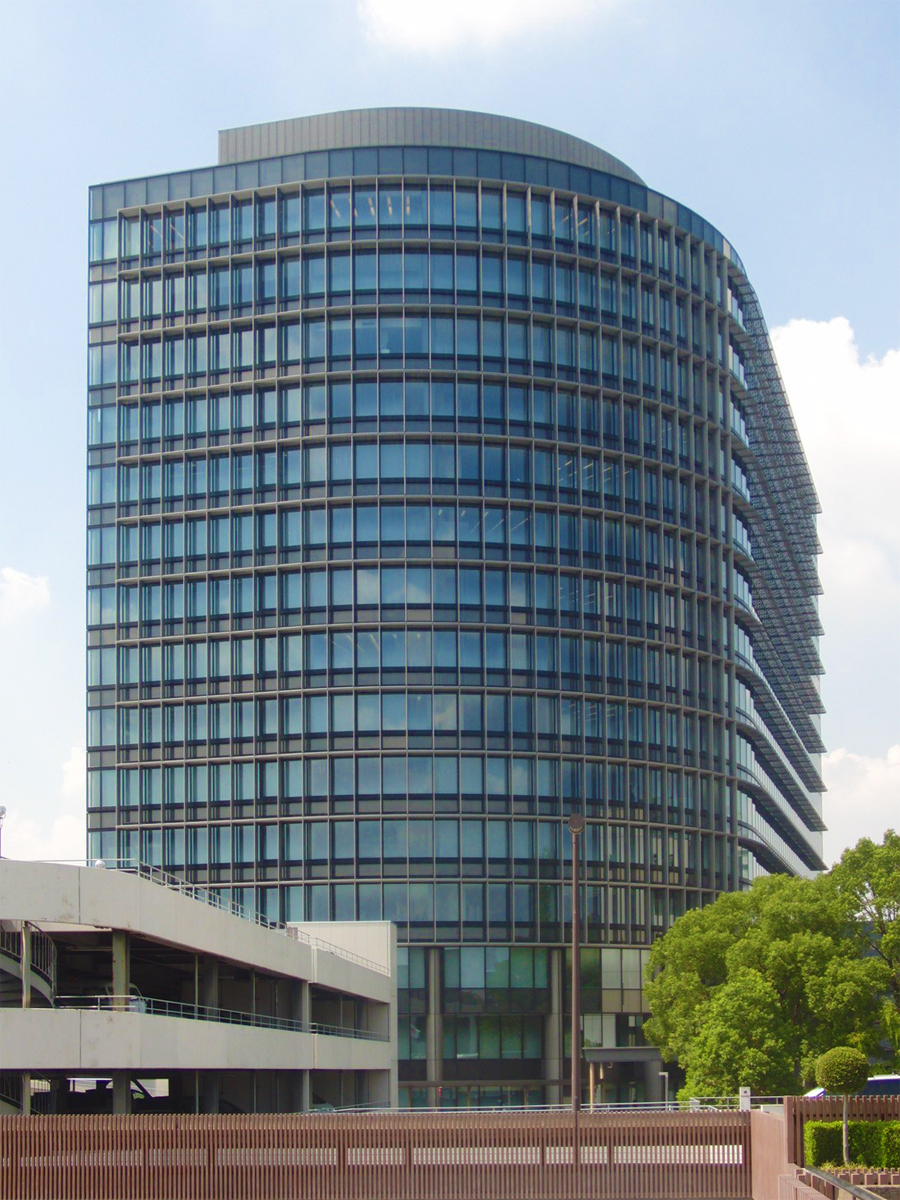
Toyota received 502 AI-related patents in 2025 and ranked 6th in the Harrity AI Patent 100, outpacing every other automaker.
Contents
Toyota is best known for hybrids and a global network of factories, but in the latest ranking of AI-related patents the Japanese automaker landed higher than most companies considered tech leaders. Analytics firm Harrity Patent Analytics published its annual AI Patent 100 ranking, placing Toyota 6th, ahead of Microsoft and Nvidia, among others.
Ranking methodology
The AI Patent 100 is an annual ranking compiled by patent law firm Harrity & Harrity based on USPTO data. Analysts count only utility patents granted in a given calendar year that the USPTO classified as AI-related, regardless of the applicant's industry. That approach brings cloud computing giants, banks, pharmaceutical companies, and automakers together in a single ranking.
The 2025 ranking shows a clear shift in center of gravity. Alongside Big Tech, the top ten includes Capital One, Bank of America, and Dell, companies outside the traditionally understood AI industry. Toyota's presence in 6th place, ahead of Microsoft and Nvidia, signals that the auto industry now treats artificial intelligence as part of its own technological core rather than an add-on bought from suppliers.
Toyota tops automakers
Twelve automotive companies made the top 100 overall, including General Motors, Hyundai, Ford, Honda, Porsche, BMW, Subaru, Volvo, and Magna. None came close to Toyota's total, though. According to data cited by Polish media, the second-ranked automaker in the group recorded 342 AI patents, 160 fewer than Toyota.
Japan also has the largest share of applicants in the overall ranking, with sixteen companies in the top 100, ahead of China (eight companies), Germany (six), and South Korea (four). The sheer number of Japanese industrial firms alongside American software companies shows that the AI patent race has long since stopped being the exclusive domain of Silicon Valley.
Where the patents come from
Toyota has for years reported annual R&D spending of roughly $9 billion, and a significant share now goes toward autonomous driving, driver-assistance systems, and vehicle software. The company is developing its own software platform, Arene, which is set to debut in the sixth-generation RAV4, and is testing AI solutions as part of the Woven City project, an experimental city at the foot of Mount Fuji launched in September 2025.
In the broader all-fields ranking, the Patent 300, Toyota placed 7th with 2,908 patents granted in 2025, a 19 percent increase year over year. That shows the company's patent activity is growing not just in artificial intelligence but across its entire technology portfolio, from batteries to new materials.
What it means for the industry
For automakers, AI patents are increasingly not just intellectual property protection but also leverage in talks with investors and technology suppliers. A strong patent position eases licensing negotiations with software companies and reduces the risk of litigation when deploying autonomous driving systems, which are expected to become far more widespread globally in the coming years.
For Polish readers connected to the automotive and supply industries, Toyota's result signals where global automakers are directing investment. Poland has a large automotive supplier sector, and the growing share of software and AI in a vehicle's value means programming skills will matter increasingly in that supply chain, alongside traditional mechanical component manufacturing.
The Harrity ranking says nothing about the quality of individual inventions or which patents will actually reach production, but the sheer number of filings shows the scale of a company's commitment. The next ranking, covering patents granted in 2026, won't appear before early next year, and will show whether Toyota keeps its lead over automotive rivals and whether it closes the gap with the leaders, Samsung and Alphabet.