News
Ukraine Tests Marichka AI System for Rapid Battlefield Analysis
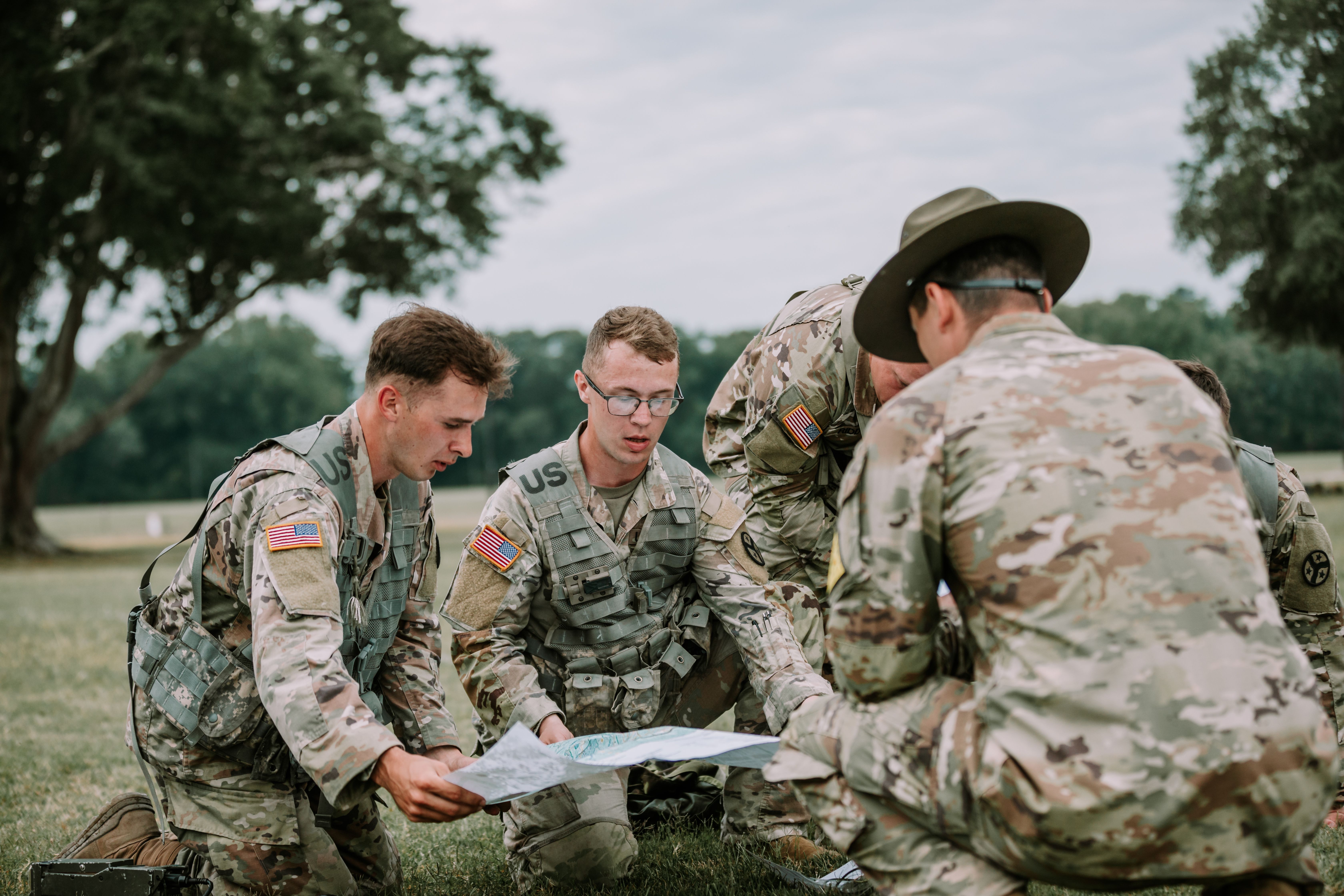
Ukraine's armed forces have unveiled an AI system called Marichka designed to cut combat operation planning from several hours down to just minutes. The tool gathers battlefield data, calculates the balance of forces, and proposes courses of action on an interactive map.
The Central Research Institute of the Armed Forces of Ukraine has unveiled an artificial intelligence system called Marichka, designed to help brigade-level and higher commanders rapidly assess the situation on the front line. According to its developers, the tool cuts a process that currently takes six to twelve hours down to just a few minutes.
How Marichka works
The system operates on principles similar to popular chatbots, but instead of processing text, it processes battlefield data. It collects and verifies information coming in from units, automatically compares friendly and enemy forces and equipment, estimates the resources needed and projected losses, and then models possible scenarios on an interactive map updated in real time.
The developers emphasize that today a regiment or brigade commander must review roughly twenty documents before approving a plan of action. Marichka is meant to gather this data in one place and present ready-made courses of action, rather than forcing an officer to manually compile reports from multiple sources.
Brigade and regiment commanders currently spend six to twelve hours making planning decisions - Yuriy Kliat, head of the Central Research Institute of the Armed Forces of Ukraine
Who is behind the project
The system is being developed by the Central Research Institute of the Armed Forces of Ukraine, and the project has received public backing from Brigadier General Andriy Lebedenko, deputy commander-in-chief of the Armed Forces of Ukraine. He noted that AI-based technologies have long been in use in drones and the army's command systems, and that Marichka is a natural extension of that trend to the staff level.
Ukraine's military has spent months developing its own analytical tools, partly in response to limited control over Western platforms such as Palantir's systems, which it uses in other areas of command. Marichka is meant to give Kyiv an independent, fully domestic tool for operational planning, over which Ukraine retains full control of its data.
AI technologies are already built into drones and command and control systems - Brigadier General Andriy Lebedenko, deputy commander-in-chief of the Armed Forces of Ukraine
Commander's role remains key
Military officials stress that the system is not meant to replace humans in decision-making. Marichka is only supposed to speed up information processing and the preparation of a battle plan, while the final decision to launch an operation remains in the commander's hands. That distinction carries political and legal weight, as it helps avoid accusations of handing responsibility for combat decisions over to a machine.
Currently, the system processes documents marked 'for official use' and 'secret.' In the next stage, the developers plan to expand its capabilities to documents with higher classification levels, which will require additional integration with secure military data channels.
What comes next
Tests on simulated data have concluded successfully, and work is now underway to train the neural network on real-world scenarios and integrate it with classified information channels. A date for full deployment on the front line has not yet been announced.
For Polish readers, the project matters for two reasons. First, it shows how the war in Ukraine is accelerating practical AI applications in military command, something Polish military institutions developing their own decision-support systems have also been discussing for months. Second, Ukraine's experience with Marichka could be passed on to NATO allies as a ready-made architectural model before similar tools emerge elsewhere in the region.
Ukrainian military officials hope that shortening the planning cycle from hours to minutes will translate into a faster response to changes on the front line, where conditions can shift from hour to hour. If the system is indeed rolled out to units at scale, it would be one of the first documented cases of generative AI being used directly in the operational command cycle at this scale.