News
US Army Begins Production of Mobile TITAN AI Targeting Systems
The Pentagon has ordered eight TITAN systems from Palantir and Anduril for $192 million, mobile ground stations that use artificial intelligence to shorten the time between detecting a target and striking it with long-range fire.
Contents
The US Army is moving from prototypes to serial production of TITAN, a mobile command system powered by artificial intelligence designed to drastically cut the time between detecting an enemy and firing a long-range missile. The $192 million order went to Palantir Technologies and Anduril Industries.
What TITAN Is
TITAN, short for Tactical Intelligence Targeting Access Node, is a soldier-operated mobile ground station linked to space, air, high-altitude and ground-based sensors. The system uses artificial intelligence and machine learning to turn the stream of data from those sensors into concrete target recommendations for command and long-range artillery units.
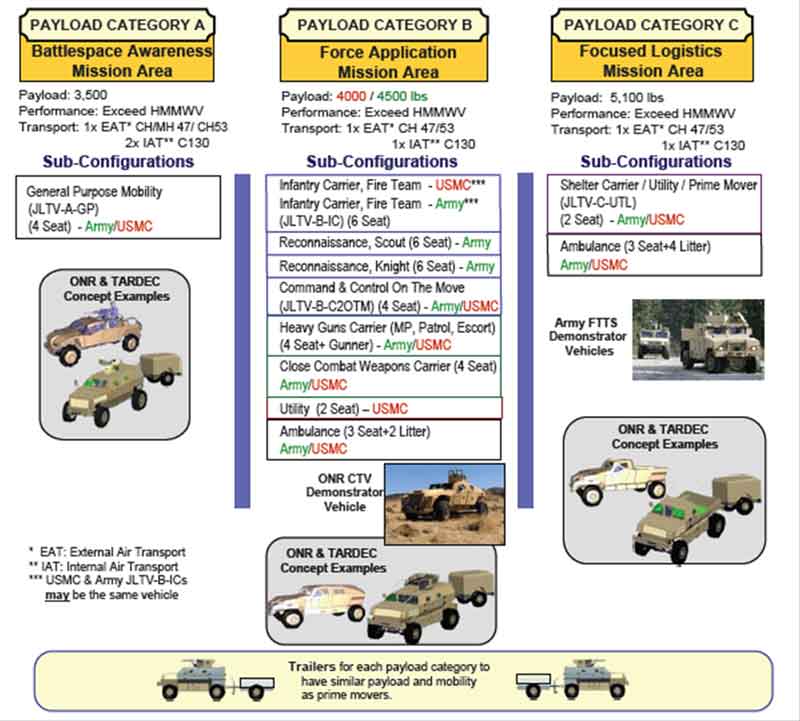
The Advanced variant, mounted on a medium tactical vehicle, offers greater computing power and broader integration with other systems. The Basic variant, built on the lightweight JLTV tactical vehicle, prioritizes mobility and rapid field deployment. Earlier testing also explored a configuration mounted on ISV-U light infantry carrier vehicles.
Why It Matters for the Military
A key goal of the program is shortening the so-called sensor-to-shooter timeline, the time between a sensor detecting a target and a shot being fired. In the traditional model, data from satellites, drones and radars has to be manually gathered, compared and interpreted by analysts before it reaches firing units. TITAN is meant to automate a large part of that process.
Production builds on four years of feedback from soldiers who used TITAN prototypes in various configurations and operational environments - Col. Jonathan Lipscomb, US Army program manager for intelligence and analytics systems
Program History and Testing
The first TITAN prototype reached an operational unit in December 2024, when it was fielded by the 1st Multi-Domain Task Force. In 2024 the Army awarded the first prototype contracts, worth $178.4 million, for ten units. Since then the system has gone through a series of exercises, including recent testing during Project Convergence Capstone 6 in the Mojave Desert.
The current production order signals that the Pentagon now considers the technology mature enough for wider fielding, not just concept testing. The next batch of orders is expected to go to contractors in fiscal year 2027, suggesting the program will keep expanding in stages over the coming years.
Palantir and Anduril in the AI Arms Race
For Palantir and Anduril, the TITAN contract is further proof of Silicon Valley companies' growing role in building AI-driven military infrastructure alongside traditional defense contractors. The two firms have spent years competing for Pentagon contracts tied to command, reconnaissance and autonomous combat platforms.
The TITAN program fits into a broader modernization push within the US military, in which data from multiple domains - space, air and land - is meant to be fused into a single, near-real-time common operating picture. This approach, known as combined multi-domain operations, has been one of the Pentagon's modernization priorities for several years.
For Polish readers, the TITAN program points to the direction AI integration with command systems is taking across NATO armies. Poland's military, which is expanding its own reconnaissance and precision-strike capabilities under programs such as Wisla (Poland's medium-range air defense program) and Homar (Poland's long-range rocket artillery program), is watching similar allied solutions as a reference point for modernizing its own C4ISR systems.