News
UN and Red Cross Renew Call to Ban Autonomous Weapons, Poland Withholds Support
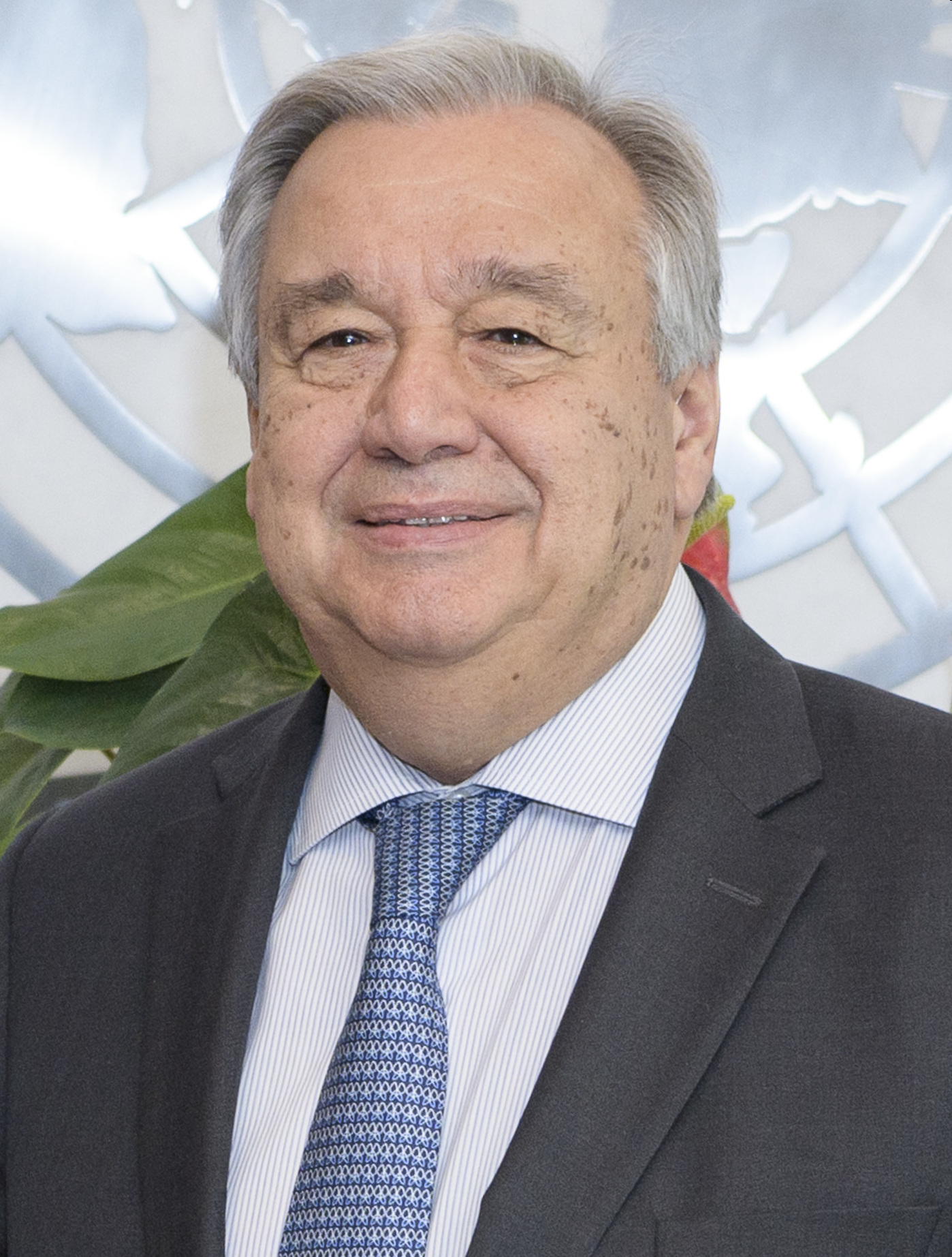
UN Secretary-General António Guterres and Red Cross President Mirjana Spoljaric warned that the world is dangerously close to crossing the moral line of machines autonomously targeting humans. Poland is among twelve countries not backing a binding ban on autonomous weapons.
Contents
UN Secretary-General António Guterres and International Committee of the Red Cross President Mirjana Spoljaric renewed a joint call on August 25, 2026 for the urgent start of negotiations on a legally binding ban on autonomous weapons systems. In their statement, they warned that humanity is dangerously close to crossing the moral line of allowing machines to autonomously target and kill people.
The appeal is not new. The UN and the Red Cross first issued a joint call in 2023, urging member states to negotiate a binding treaty restricting autonomous weapons systems by 2026. The August statement serves as both a reminder and an escalation in tone as the deadline approaches, amid reports of growing use of autonomous military technology in active conflicts.
Two weapons categories targeted for a ban
Guterres and Spoljaric specifically identified two categories of systems they believe should face an absolute ban. The first is unpredictable weapons, meaning systems whose operators cannot foresee the effects of their use in advance. As the authors of the appeal put it, if something cannot be predicted, it is hard to constrain through regulation.
The second category is anti-personnel weapons, systems designed to autonomously target people. According to the statement's authors, such systems reduce human life to data, an algorithm, a sensor signal and a machine's action. Both types were deemed politically unacceptable and morally repugnant.
We are now dangerously close to crossing a moral line: machines autonomously targeting and killing people - António Guterres, UN Secretary-General, and Mirjana Spoljaric, President of the International Committee of the Red Cross
The technology race is already underway
The appeal's authors stressed this is not a distant future scenario. According to the joint statement, the race toward ever-greater autonomy in weapons systems is already underway, not just beginning. The statement references reports of drones and autonomous technology being used in conflicts in Ukraine, the Middle East and Sudan.
Both organizations noted they cannot yet confirm actual combat deployment of fully autonomous systems capable of independently selecting and eliminating targets without human involvement. They warn, however, that civilians must be granted legal protection before such deployment happens on a larger scale, since regulating it afterward could come too late.
A divided world and a November deadline
Data compiled by Automated Decision Research, a monitoring project under the Stop Killer Robots initiative, shows a clear international divide. A legally binding ban is backed by 127 countries, mostly in Africa and Latin America. Twelve countries oppose binding regulation, including the United States, the United Kingdom, Australia, Belarus, Estonia, India, Israel, Japan, North Korea, Russia, South Korea and Poland. The remaining 53 states have not taken a clear position.
The key moment is expected to be the seventh Review Conference of the Convention on Certain Conventional Weapons in Geneva this November. The UN and the Red Cross called this forum the most realistic path toward binding rules, urging states to move from incremental discussion to decisive action.
Poland's position
Poland has for years maintained a cautious stance on binding regulation. In December 2025 it abstained on UN General Assembly Resolution 80/57, which stressed the urgent need for the Convention on Certain Conventional Weapons to address the challenges posed by autonomous weapons systems. Poland likewise abstained in October 2024 on draft resolution L.77.
Earlier, in December 2023, Poland voted for Resolution 78/241, which only called for the international community to urgently address the issue, without specific commitments to a ban. Polish diplomacy's reasoning centers on concern that a rigid regulatory instrument could seriously hinder technological progress, while also acknowledging that autonomous systems could save soldiers' lives in military operations.
This places Poland among a skeptical minority on binding international law in this area, alongside countries such as the US, the UK and Israel, which favor non-binding ethical frameworks over a hard ban. A resolution could come as early as November, when negotiators under the Convention on Certain Conventional Weapons convene in Geneva.