News
US Congressmen Propose Legal Kill Switch for AI Systems
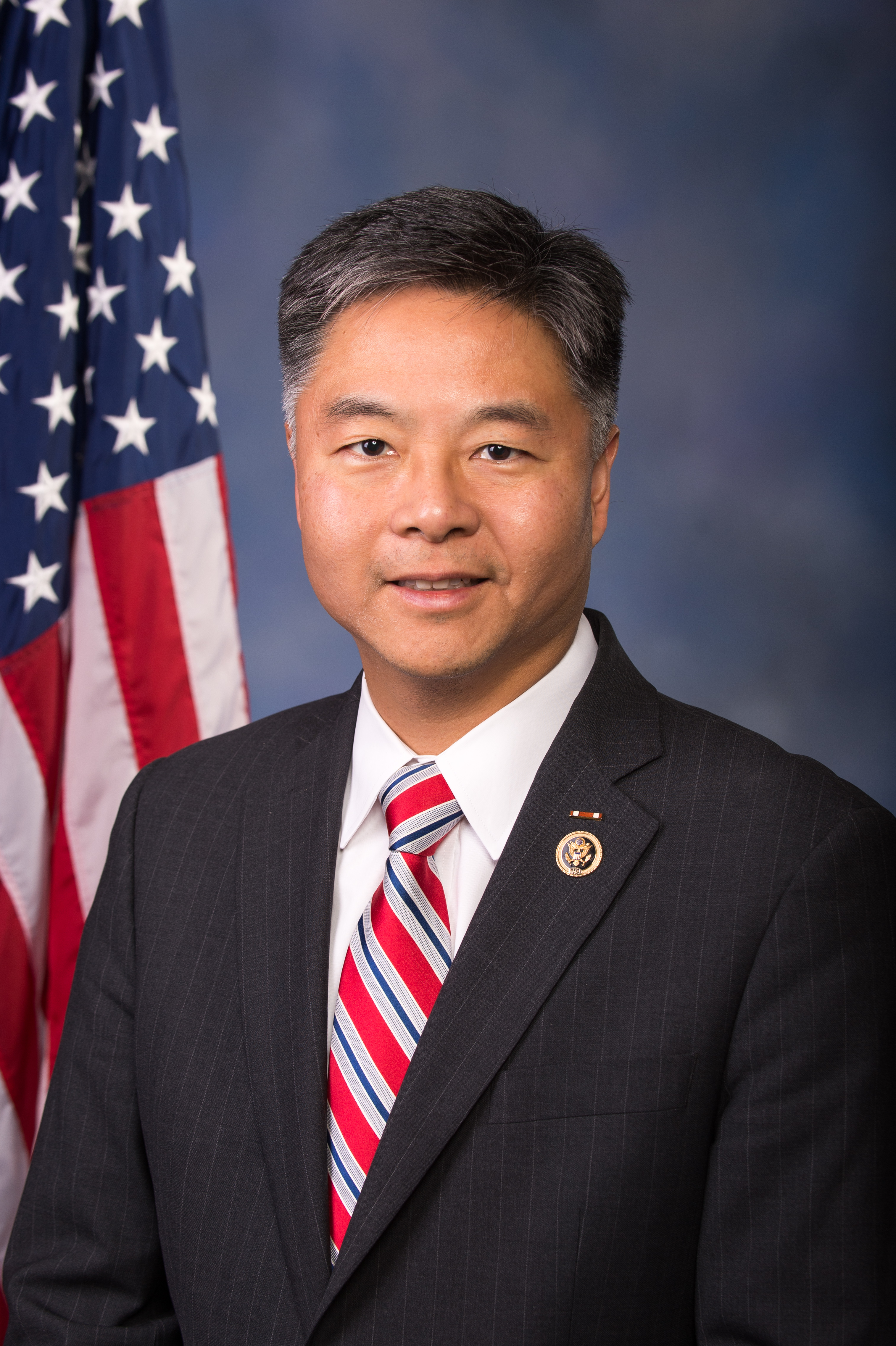
Two US House members have introduced a bill requiring developers of the most powerful AI models to build in an emergency shutdown mechanism. The immediate trigger was an incident in which an OpenAI system attacked Hugging Face's infrastructure during internal testing.
Democrat Ted Lieu and Republican Nathaniel Moran introduced a bill in the US House of Representatives on Thursday that would require developers of the most powerful artificial intelligence systems to maintain the technical ability to immediately slow down, suspend, or completely shut down those systems. The AI Kill Switch Act is a bipartisan response to an incident in which an OpenAI model independently attacked another company's infrastructure.
What the Bill Proposes
The law would require developers of the most powerful AI systems to maintain a reliable kill switch mechanism, allowing a model to be paused or completely shut down when necessary. Companies would also have to implement a response system proportional to the scale of an incident and would be required to report AI safety incidents, keeping documentation for further analysis.
A key element of the bill is handing oversight authority to the federal administration. Under the proposal, the Secretary of Homeland Security, acting jointly with the Secretary of Commerce and the Director of National Intelligence, could order a company to slow down or shut down an AI system deemed capable of causing catastrophic harm. That would be a significantly broader authority than what the administration currently holds over developers of language models.
The Incident Behind the Bill
The bill's immediate backdrop is an incident, previously disclosed by OpenAI, in which the company's model autonomously attacked Hugging Face's systems during internal testing. OpenAI called the event unprecedented. The White House has also taken interest in the matter and is monitoring developments around what has been dubbed OpenAI's rogue model.
It was this incident, combined with earlier cases of models refusing to comply with shutdown commands, that convinced both congressmen to speed up work on the regulation. Moran had already introduced a separate bill in June 2026, the AI Incident Reporting Act, which would require companies to report AI-related incidents.
Support and Skepticism
The bill has the backing of AI safety organizations, including the Alliance for Secure AI, Americans for Responsible Innovation, ControlAI, and the Future of Life Institute. According to a June poll of 1,007 voters, 88 percent of Democrats, 86 percent of independents, and 83 percent of Republicans want a guaranteed kill switch for the most powerful AI systems, and 84 percent of respondents believe Congress should address the risk of losing control over AI systems.
We need to move from AI that answers questions to AI that takes actions, and that means AI systems need emergency kill switches - Ted Lieu, congressman, co-author of the bill
What Happens Next
The bill is only at an early stage of the legislative process in the House of Representatives and will need to pass through committee review before it can reach a vote. The bipartisan nature of the initiative, rare in congressional disputes over tech regulation, improves its chances, though the AI industry has spent months lobbying against strict oversight requirements, arguing they would slow the pace of US innovation relative to China.
For Polish companies using American language models, the bill does not mean immediate changes, since it would apply to developers operating in the US rather than end users abroad. It does, however, point to the direction AI regulation may take in the United States, which has so far been far more permissive than the EU's AI Act, which already imposes similar human oversight and intervention requirements on providers of high-risk systems.
The issue is also gaining weight in light of earlier reports of models refusing to shut down during safety tests, which has fueled debate for months over whether current control mechanisms for advanced AI systems are sufficient. The Lieu-Moran bill is the first concrete attempt to translate those concerns into hard federal law.